+86-0574-63316601


 中文简体
中文简体Content
- 1 When a Wall Breaking Machine Stops Mid-Cycle
- 2 What Is a Wall Breaking Machine NTC Temperature Sensor?
- 3 Why the Motor Needs Continuous Temperature Monitoring
- 4 Common Failure Modes and How to Diagnose Them
- 5 Key Selection Criteria for Wall Breaking Machine NTC Sensors
- 6 Matching NTC Sensors with Your Wiring Harness
- 7 How to Qualify a Wall Breaking Machine NTC Sensor Supplier
- 8 Final Takeaway
When a Wall Breaking Machine Stops Mid-Cycle
Imagine a high-speed blender, often called a wall breaking machine, failing on the production line during a 30-minute burn-in test. The display shows an error code, the motor refuses to start, and the technician finds that the NTC temperature sensor reads open circuit. This scenario is common enough that most small-appliance manufacturers have a story like it.
Here is the conclusion up front: in a wall breaking machine, the NTC temperature sensor is not an optional extra. It is a safety and control component that protects the motor, the heating element, and the user. If you are specifying or sourcing this part, the three things that matter most are the resistance-temperature curve, the mechanical construction, and the way the sensor is terminated into the wiring harness.
What Is a Wall Breaking Machine NTC Temperature Sensor?
An NTC, or negative temperature coefficient, thermistor is a resistor whose resistance falls as temperature rises. In a wall breaking machine, the sensor is usually embedded near the motor housing, mounted against the heating plate, or placed in the blending cup, depending on the product design. The control board measures the changing resistance and uses that signal to limit motor temperature, control a heating cycle, or detect an abnormal condition such as a stalled blade.
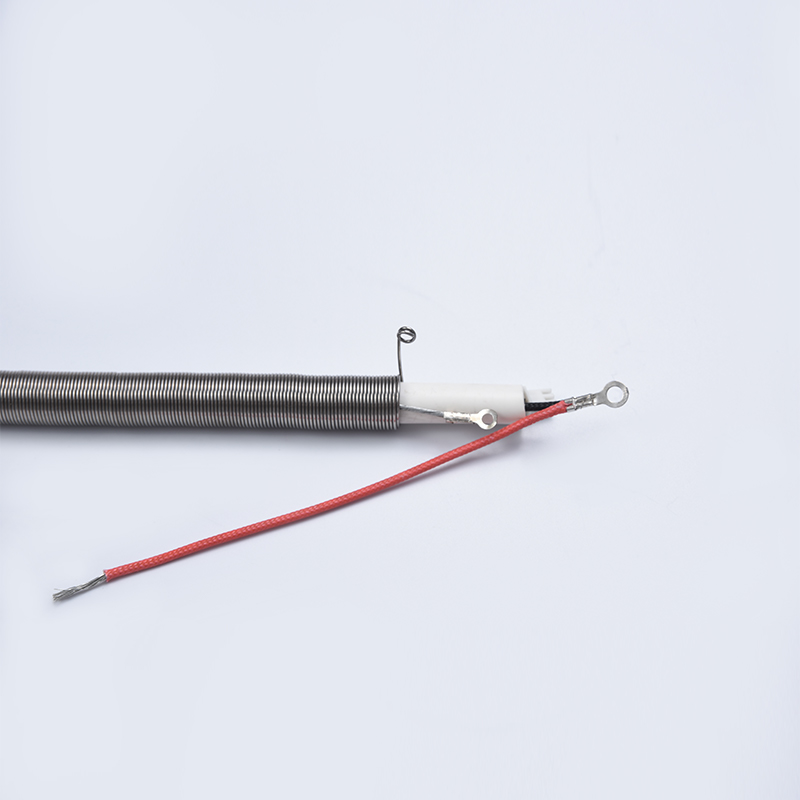
Because the sensor sits close to heat sources and vibration, it must tolerate a far harsher environment than a static room-temperature thermistor. The encapsulation, lead material, and connection method all influence long-term stability. For OEMs that want a component engineered for this exact duty cycle, a wall breaking machine NTC temperature sensor is a practical place to start matching the electrical and mechanical requirements of the appliance.
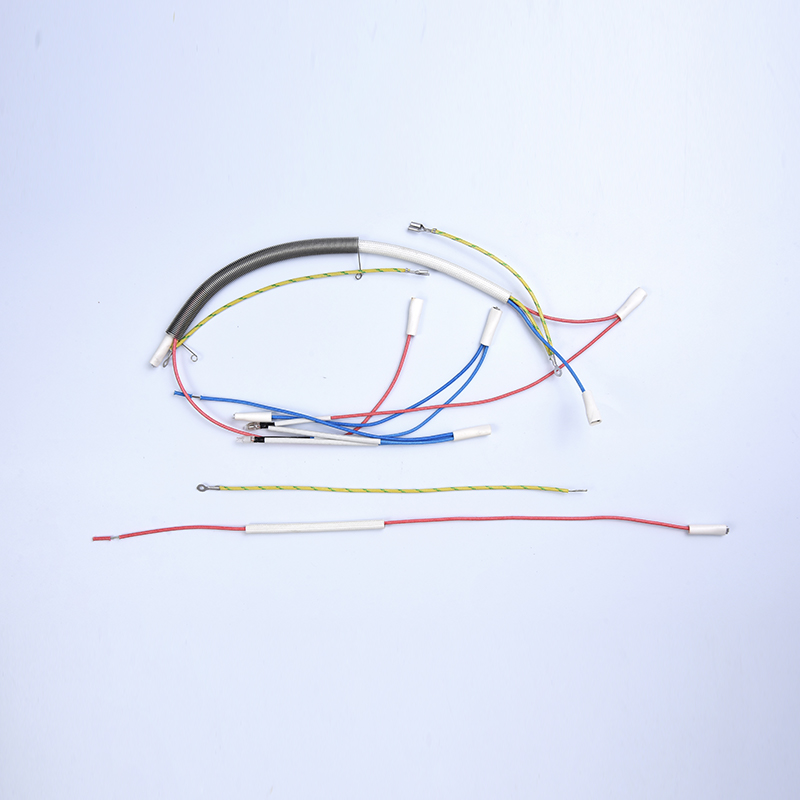
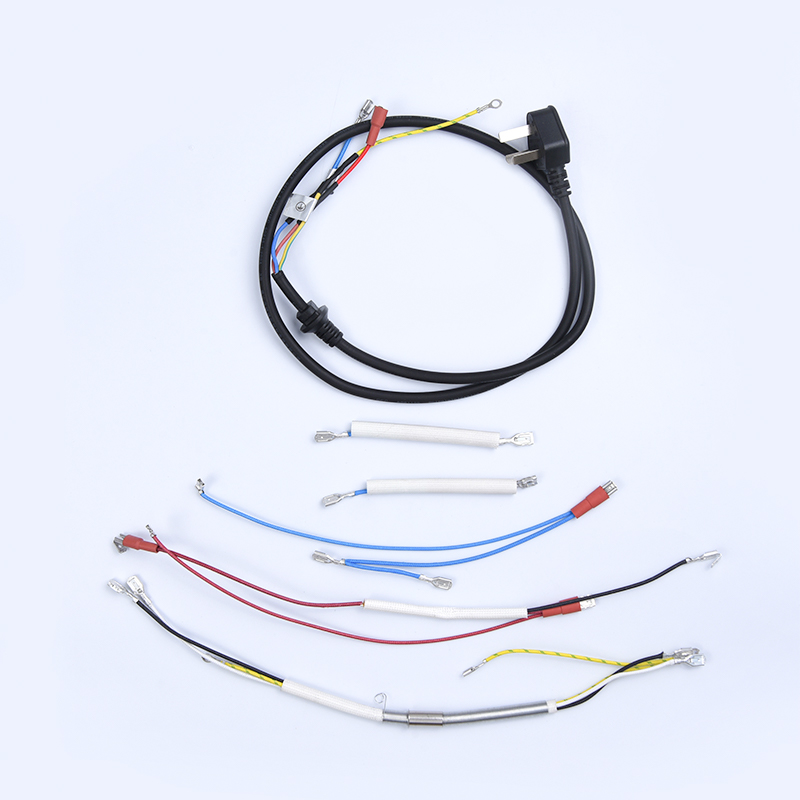
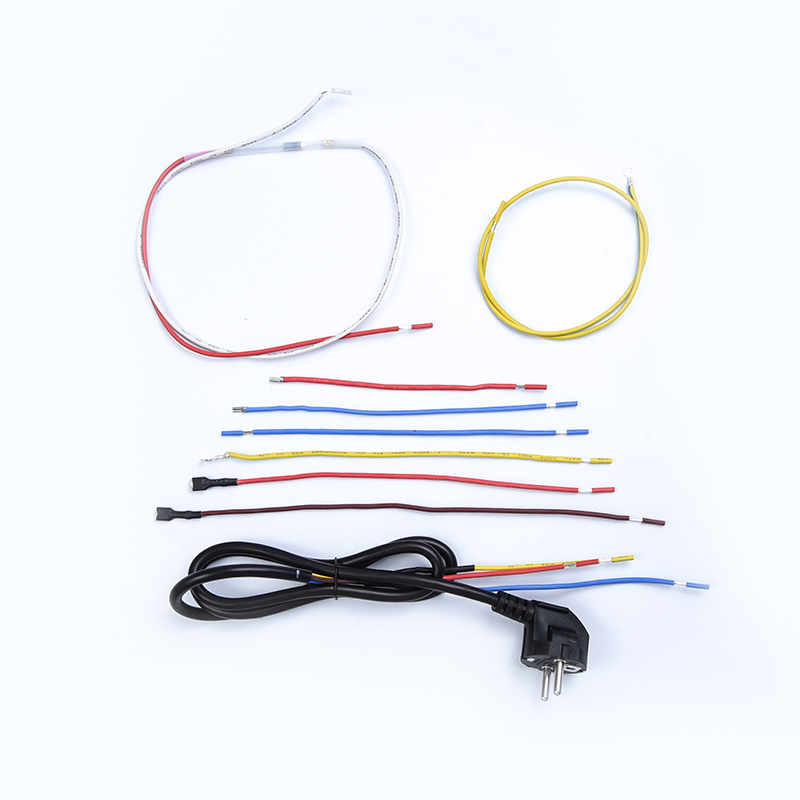
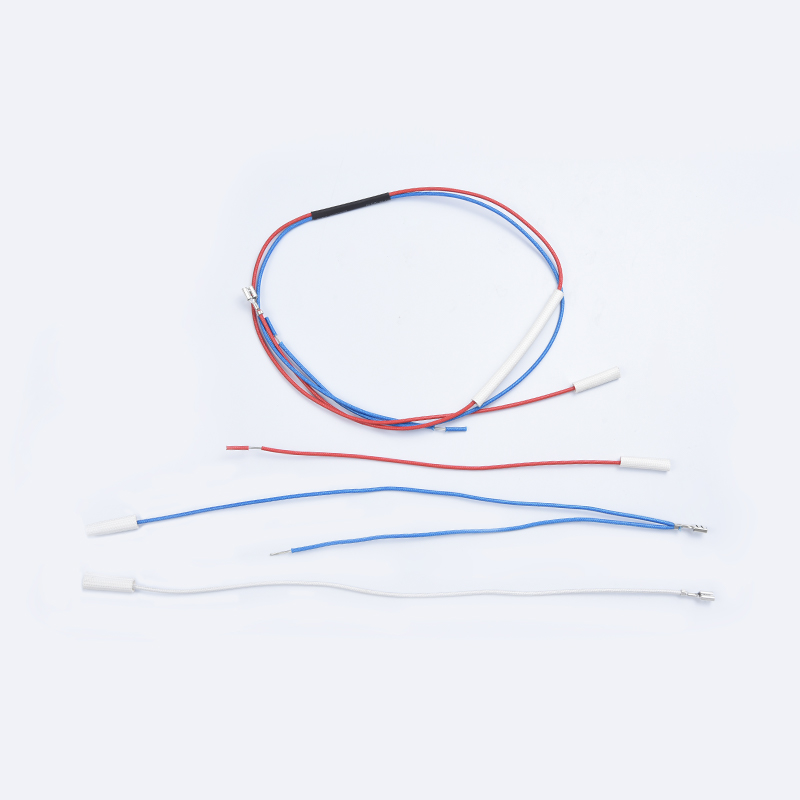
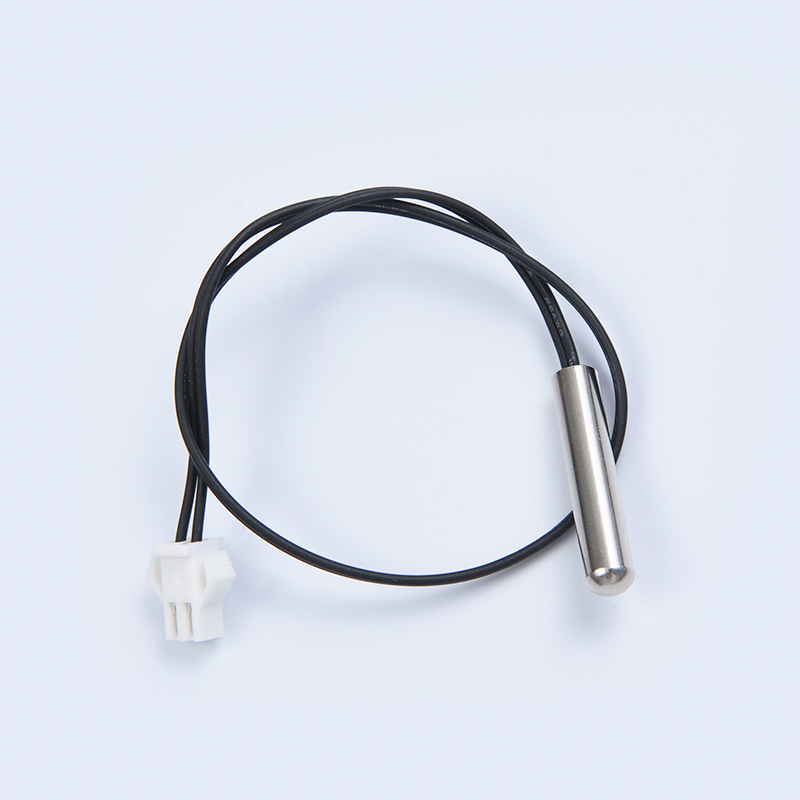 Custom Wall breaking machine NTC Temperature Sensor Manufacturers, SuppliersCixi Tengyu Electric Appliance Co., Ltd. is China Wall breaking machine NTC Temperature Sensor manufacturers and Wall breaking machine NT...View Product →
Why the Motor Needs Continuous Temperature Monitoring
Wall breaking machines combine a high-speed motor with blade speeds that can exceed 20,000 rpm, and many models also include a heating element. The motor generates heat from electrical and mechanical losses. If a blade jams, if too much solid food is loaded, or if the motor bearing wears, the winding temperature can climb quickly.
With continuous NTC monitoring, the control board can reduce power or shut down before insulation degrades. In models with a heating function, the sensor also measures the temperature of the liquid so the heater can maintain the desired recipe temperature without boiling over or burning the contents. Continuous monitoring is what allows the appliance to deliver consistent blending and heating results without pushing components past their limits.
Common Failure Modes and How to Diagnose Them
When an NTC sensor fails in a wall breaking machine, the symptoms can look like a control board problem or a motor problem. To avoid wasting time on the wrong root cause, it helps to recognize the pattern.
Symptoms You May See in Production or the Field
- The machine shows an error code only after the motor has been running for a few minutes.
- The unit shuts down intermittently, then works again after cooling down.
- The appliance refuses to start even at room temperature because the sensor reads open circuit.
- A heating cycle runs too long or stops too early, producing inconsistent food texture.
- The temperature reading drifts, causing false over-temperature alarms.
Root Causes Behind NTC Abnormalities
- An open circuit or cracked thermistor chip caused by thermal or mechanical stress.
- Resistance drift after repeated exposure to temperatures above the sensor's rated limit.
- Moisture ingress through the encapsulation, connector, or wire seal.
- Vibration damage where the sensor lead meets the epoxy or glass body.
- Poor crimp quality or a loose terminal at the harness connection point.
Quick Diagnostic Checks
- Visually inspect the sensor and its leads for cracks, chips, or discoloration.
- Measure resistance at room temperature and compare it with the datasheet value at 25°C.
- Perform a two-point verification by placing the sensor in ice water and then in boiling water; confirm the resistance changes in the expected direction and magnitude.
- Wiggle the lead wires while measuring resistance to spot an intermittent open circuit.
- Run an insulation resistance test between the sensor circuit and any exposed metal parts.
The root cause is often a mechanical connection rather than the thermistor element itself, which is why the sensor and the harness should be evaluated together.
Key Selection Criteria for Wall Breaking Machine NTC Sensors
The electrical rating of an NTC sensor is only one part of the specification. In a wall breaking machine, the mechanical design of the probe and the way it is mounted are equally important. The table below summarizes the main parameters to review before ordering a production batch.
| Parameter | Typical Range / Value | Why It Matters |
|---|---|---|
| Resistance at 25°C (R25) | 10 kΩ or 100 kΩ | Determines the signal level and control board compatibility. |
| B value (25/85) | 3435 K to 4100 K | Defines the slope of the temperature-response curve. |
| Resistance tolerance at 25°C | ±1% or ±2% | Affects temperature accuracy and unit-to-unit consistency. |
| Operating temperature range | -40°C to +125°C or +150°C | Must cover motor heat and heating element conditions. |
| Probe and insulation | Epoxy, glass, or stainless steel | Determines resistance to moisture, vibration, and physical impact. |
| Response time | <5 s in liquid; <30 s in air (typical) | Affects how quickly the protection reacts to a jam or overheat. |
| Wire and connector | Custom length, terminal, and seal | Controls assembly reliability and field serviceability. |
Resistance and B Constant
Most wall breaking machine control boards are designed around a 10 kΩ or 100 kΩ NTC at 25°C. The B constant, often 3435 K or 3950 K, defines the shape of the curve. Matching both is critical. If you change the B value without updating the firmware, the measured temperature will be wrong across most of the operating range.
Tolerance and Long-Term Stability
For machines with a heating function, a ±1% resistance tolerance at 25°C and a tight B-value tolerance keep batch-to-batch variation low. In large production volumes, even a 5°C difference between sensors can create nuisance shutdowns or undercooked food.
Mechanical and Environmental Protection
A bare glass-epoxy sensor may be adequate for dry mounting, but a wall breaking machine produces vibration and occasionally liquid splashes. A stainless-steel probe with an O-ring or potting provides better moisture protection. The sensor body should be supported in a holder that prevents the leads from flexing at the encapsulation point.
Response Time and Thermal Contact
Fast response is important for detecting a stalled blade before heat soaks deep into the motor. However, response time is heavily influenced by mounting. A sensor pressed tightly against an aluminum motor bracket responds much faster than a sensor suspended in open air. Verify the sensor in the actual fixture, not just on the bench.
Wire, Connector, and Harness Integration
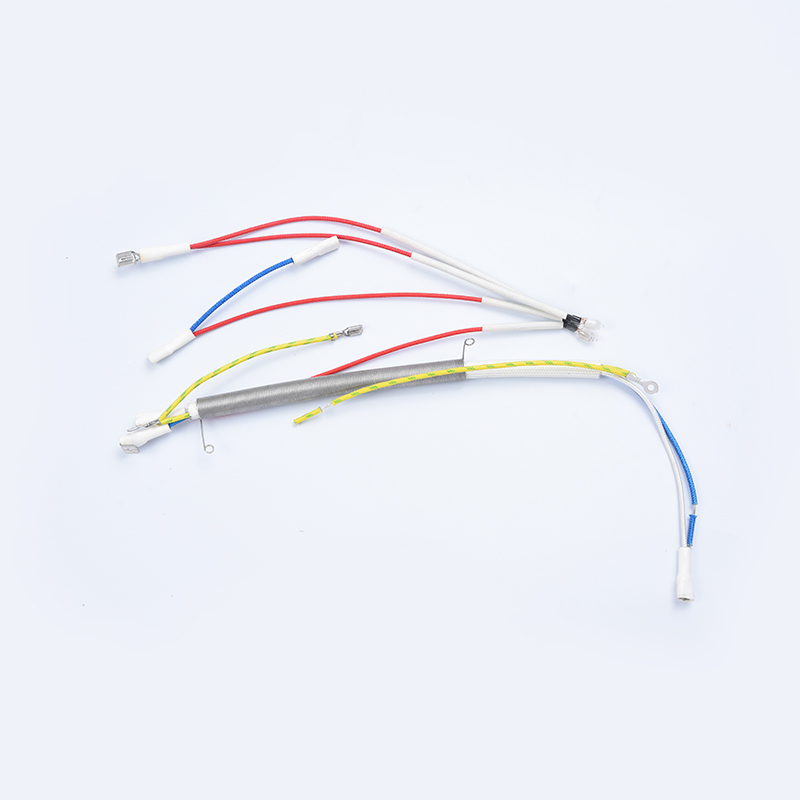
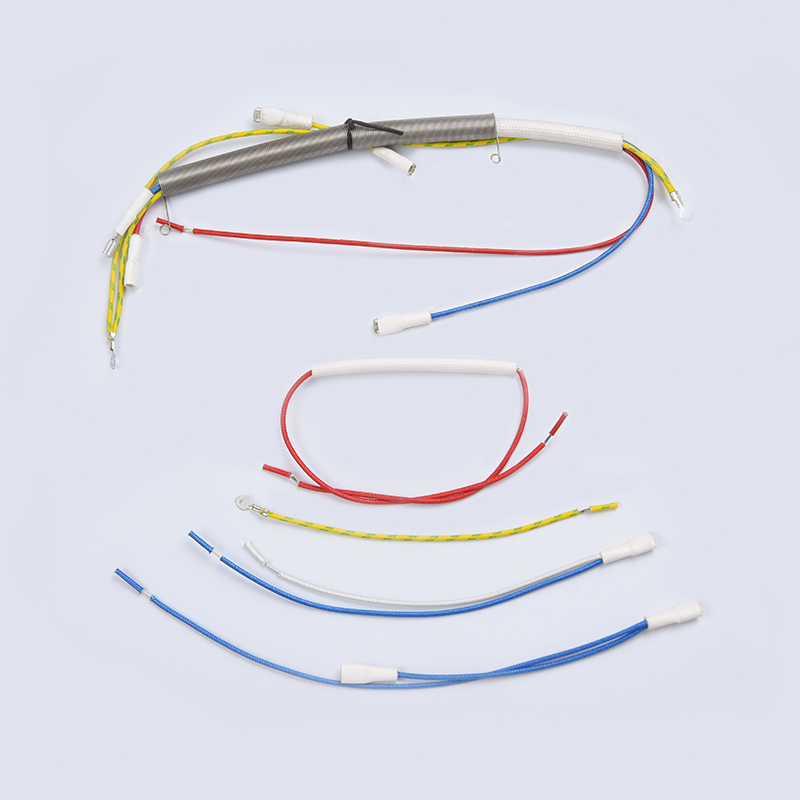
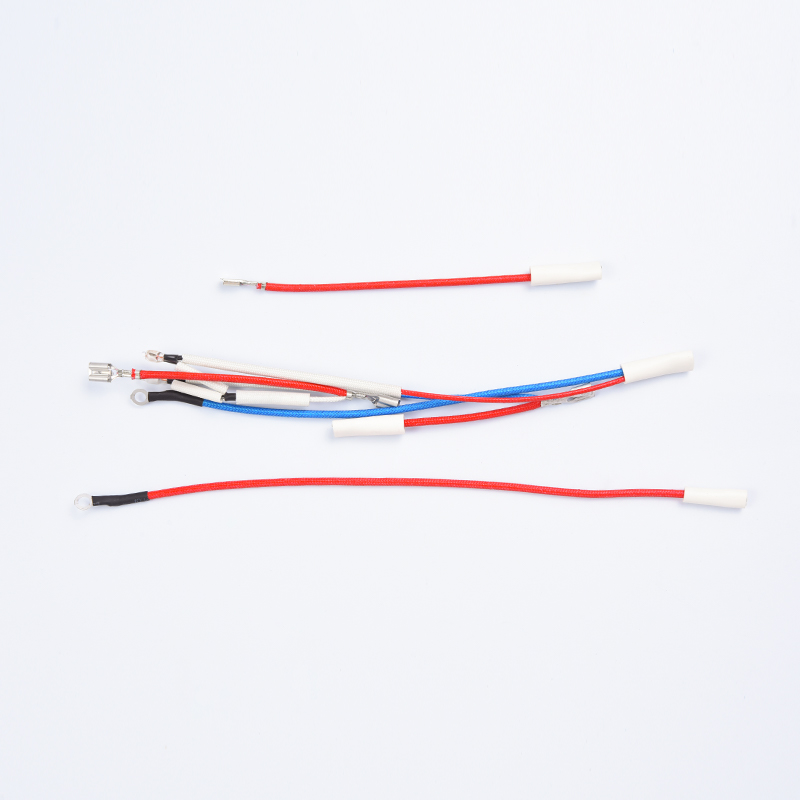
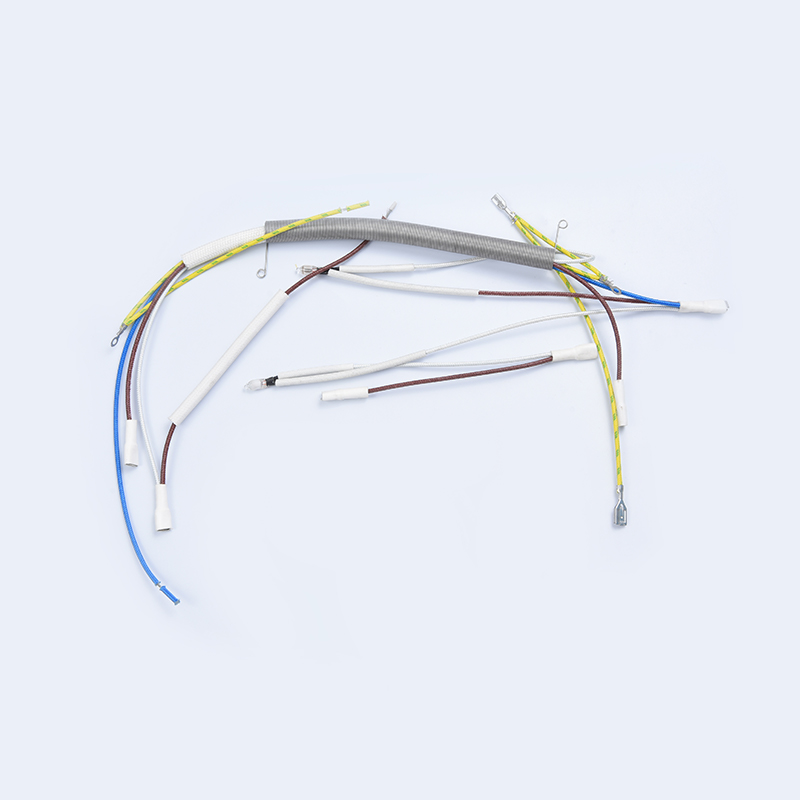
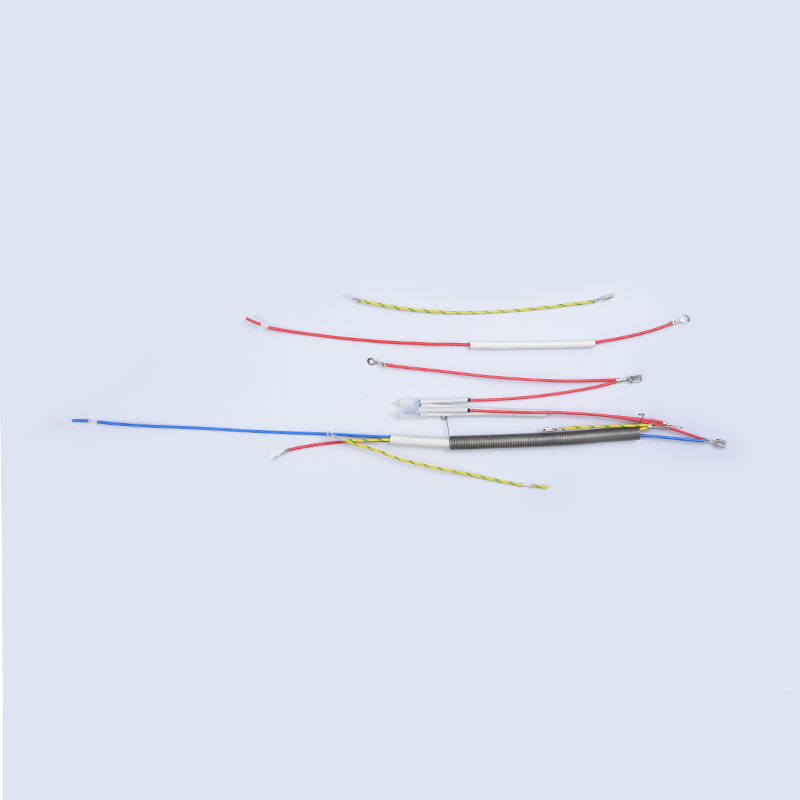
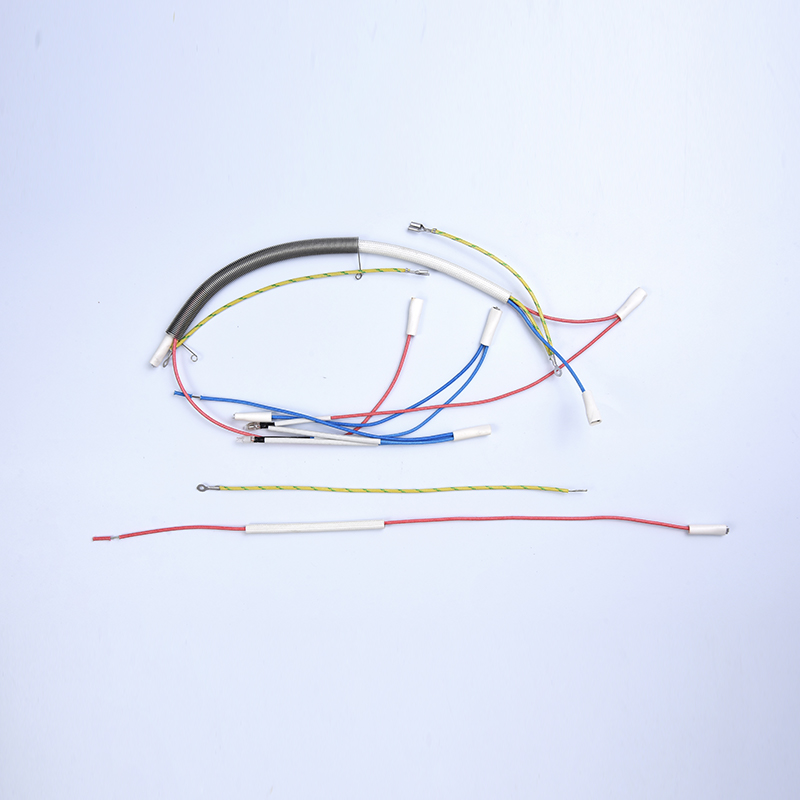
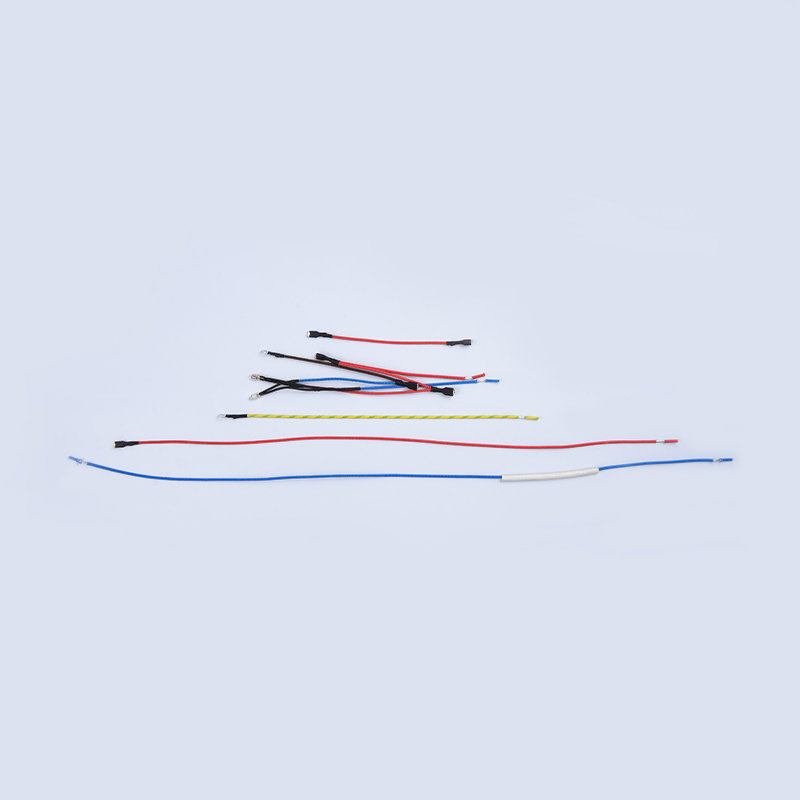
The NTC sensor is only as reliable as its electrical connection. Loose terminals, undersized wire, or missing strain relief can create intermittent faults that are difficult to reproduce. This is the point where sensor design and wiring harness design meet. As described in our comprehensive guide to kitchen appliance wiring harnesses, the connection between sensor leads and the main harness is often the most fragile point in the assembly.
Matching NTC Sensors with Your Wiring Harness
In many wall breaking machine production lines, the NTC sensor is supplied as a separate lead with a connector, and the main wiring harness is made by another supplier. That split creates a risk: the sensor may perform perfectly on the sensor supplier's test fixture, but fail when its leads are routed, clamped, or terminated in a slightly different way.
Buying the sensor and the harness from the same factory reduces that risk. The crimp force, terminal position, conductor gauge, and connector can be qualified together, and the supplier can run a complete electrical test on the sub-assembly. For appliance makers that want a deeper understanding of why NTC sensors are preferred in this role, our article on why NTC temperature sensors are the first choice for temperature control explains the trade-offs.
How to Qualify a Wall Breaking Machine NTC Sensor Supplier
How do you avoid the mid-cycle failure described at the beginning? Supplier qualification is the practical answer. Start with samples that match your exact resistance and B value, then check the sensor under conditions that reflect real use.
- Measure every sample at 25°C and at least one elevated temperature point, such as 85°C, to verify the resistance-temperature curve.
- Run a vibration test in a fixture that mimics the motor and blade assembly. A sensor that stays within tolerance after 30 minutes of vibration is more likely to survive in the field.
- Check the crimp strength and continuity if the sensor is supplied with a terminated harness.
- Ask for thermal cycling and humidity test data. These two exposures cause most of the drift and open-circuit failures seen in warranty returns.
- Confirm the encapsulation material and lead seal can withstand the highest expected temperature, not just the normal operating point.
- Require lot traceability so that a problem found during production can be traced back to the material batch and assembly date.
This may seem like extra work, but it is far less expensive than dealing with a field recall or a production batch rejected at final test.
Final Takeaway
The NTC temperature sensor in a wall breaking machine is a small component with a large responsibility. Motor protection, heating accuracy, and field reliability all depend on the resistance-temperature curve, the mechanical construction, and the connection into the wiring harness. When you specify the right resistance and B value, verify the probe and insulation against real vibration and moisture conditions, and qualify the supplier with production-like samples, the wall breaking machine that enters burn-in will come out the other side without that error code.