+86-0574-63316601


 中文简体
Content
- 1 What Is a Solid Core Spark Plug Wire?
- 2 Start with the Markings on the Jacket
- 3 Visual Clues Before You Measure
- 4 The Definitive Test: Resistance with a Multimeter
- 5 What If You Can See the Core Itself?
- 6 Why Solid Core Is Not the Right Choice for Every Engine
- 7 The Same Wiring Principles Apply in Appliance Harnesses
- 8 Frequently Asked Questions
Spark plug wires are built in several different ways, and you cannot always tell which type you have just by looking at the color of the outer jacket. Some use a continuous solid metal core, while others use a carbon-impregnated fiber core or a spiral-wound inductive core. Knowing how to identify solid core spark plug wires helps when you are restoring an older engine, tuning a vintage motorcycle, working on a boat, or troubleshooting an ignition miss.
Conductor selection is part of our daily work here at our wiring harness factory. Whether we are building a cable for a coffee maker or a harness for an electric oven, we always start by asking what the conductor needs to do. Spark plug wires are no different: the core is the heart of the wire. With a few simple visual checks and a multimeter test, you can tell exactly what kind of wire you are holding.
What Is a Solid Core Spark Plug Wire?
A solid core spark plug wire uses a single continuous piece of metal, usually copper, as the conductor. Since the entire current path is a low-resistance metal, these wires deliver the full ignition coil output to the spark plug with almost no voltage drop.
The other two common types are carbon core wires, often called suppression or resistor wires because the current flows through a carbon-impregnated fiber, and spiral inductive core wires, where a metal alloy wire is wound around a fiber or magnetic core. The difference matters because each type behaves differently with high-energy ignitions, radio frequencies and modern engine electronics.
A spark plug lead is, after all, a cable assembly, and the same rules about conductors, terminals and insulating material apply here as they do in any other cable assembly. If you are not familiar with where a wire harness ends and a cable assembly begins, this overview of cable assemblies versus wire harnesses is a helpful place to start.
Start with the Markings on the Jacket
Manufacturers often print the conductor type on the outer jacket, and that is the fastest place to look. Inspect the full length of the wire under good light. Words such as carbon, suppressor, resistor, spiral or inductive indicate a resistive core. If you see solid core, copper core or racing wire, the set is likely built around a solid conductor.
Markings fade over time, especially on older vehicles. Oil, heat and constant flexing can make the printing disappear completely. If the jacket is cracked or worn smooth, move on to the physical and electrical checks described below.
Visual Clues Before You Measure
If the printing is gone, these observations can point you in the right direction:
- Look at the terminal end. Remove the wire from the spark plug and pull back the boot. In the crimp area or around the terminal stud, a solid core appears as a single bright conductor. A carbon core looks dark and fibrous, almost like a length of black rope.
- Check the stiffness. Solid copper is not very flexible; a solid core wire holds its shape when you bend it, while a suppression wire usually springs back more easily.
- Compare the weight. Copper is dense. A solid core wire feels noticeably heavier than a carbon core wire of the same length and diameter.
- Watch for screw-on terminals. Many older solid core sets and marine-style wires use threaded terminals, and the end of the copper conductor is visible at the terminal.
The Definitive Test: Resistance with a Multimeter
Visual checks give you a strong clue, but the most reliable way to identify solid core spark plug wires is to measure their resistance. Here is how to do it safely and accurately.
- Make sure the engine is off and has had time to cool down.
- Remove the wire from the spark plug by pulling on the boot, not the cable itself.
- Set your digital multimeter to the ohms (Ω) range.
- Touch one probe to each metal end of the wire. Do not touch the insulation.
- Write down the reading, then repeat for every wire.
Before you begin, touch the two probes together and note the meter lead resistance. Subtract that small value from your readings if you want maximum accuracy.
| Wire core type | Typical resistance per foot | What the core looks like |
|---|---|---|
| Solid copper core | Below 1 ohm, often near zero | One continuous copper conductor |
| Carbon suppression core | Approximately 3,000–8,000 ohms | Black carbon-loaded fiber |
| Spiral inductive core | Approximately 50–500 ohms* | Fine coiled wire over a fiber or magnetic core |
*Always compare a spiral core reading with the manufacturer’s specification, because designs vary between brands and series.
What If You Can See the Core Itself?
Sometimes the jacket is damaged, or you can see the conductor when you remove a terminal. A solid core is unmistakable: one continuous piece of metal that is solid, bright and not springy. A carbon core is dark, soft and fibrous. Spiral cores show a tightly wound fine wire that looks like a miniature spring. If you have a piece of old wire you are replacing anyway, a quick cut through the jacket settles the question immediately.
Why Solid Core Is Not the Right Choice for Every Engine
If solid core delivers maximum energy, why not use it everywhere? Because the same property that makes it a great conductor also makes it a good antenna. The high-frequency energy produced during ignition radiates from the wire and can cause static on radios, noisy signals on sensors, and even running problems on engines with electronic control modules.
High-energy ignition systems can also be hard on spark plugs when paired with solid core wires. The un-resisted current is so high that the electrodes wear faster, especially with standard non-resistor plugs. This is why many vehicle manufacturers switched to suppression or spiral core wires as ignition voltages rose.
The Same Wiring Principles Apply in Appliance Harnesses
These trade-offs are familiar to anyone who designs wiring for a living. When we build kitchen appliance wiring harnesses, we select conductor material and insulation according to the current and the environment around them, and we pay close attention to how a circuit can pick up noise from other wires.
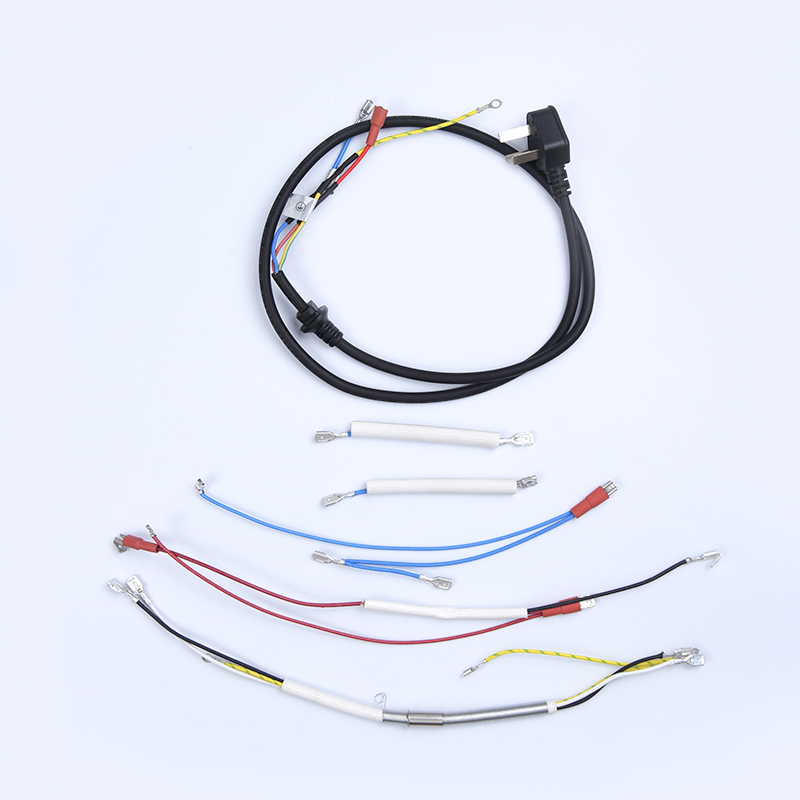
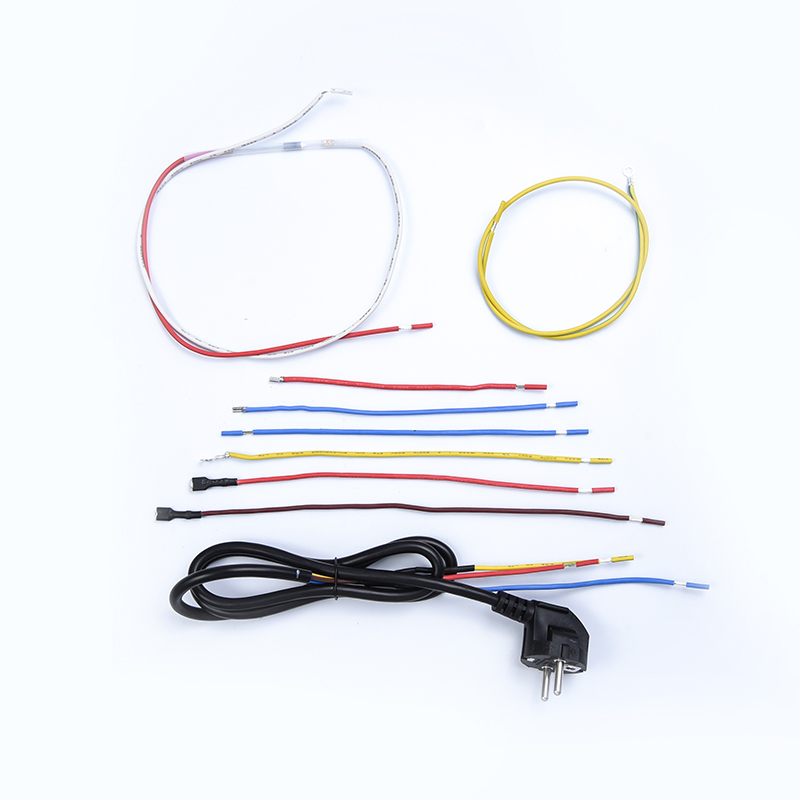
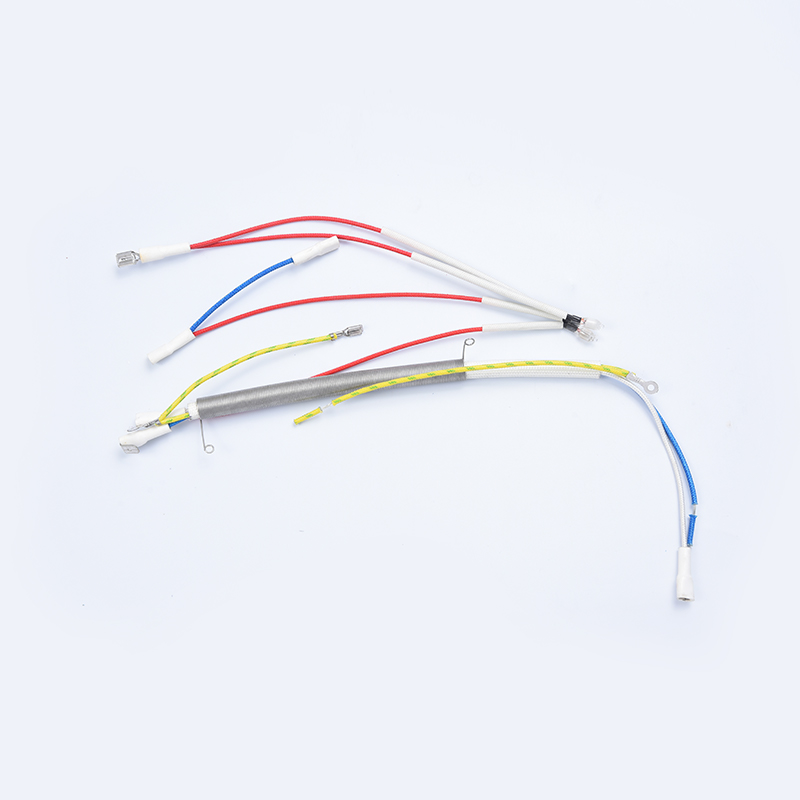
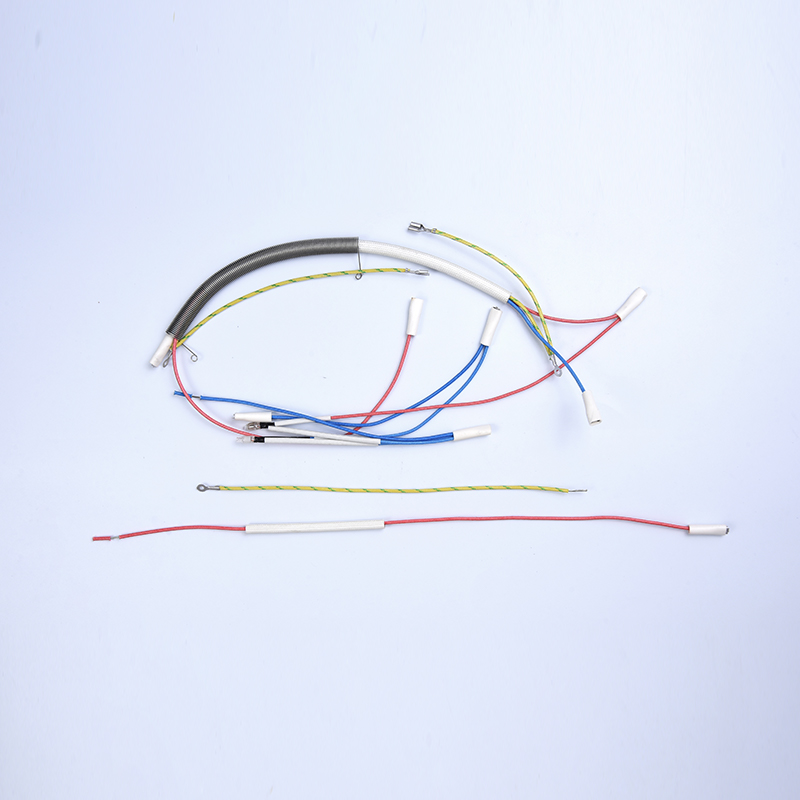 Kitchen Appliance Wiring Harnesses for Reliable Power and Signal IntegrityExplore wiring harnesses built for kitchen appliances, focusing on conductor selection, insulation, and noise rejection to ensure dependable operation in demanding environments.View Product →
The same concern appears with temperature sensing. When we produce NTC temperature sensors, the lead wires are part of the measurement circuit; a damaged conductor or an unshielded route can affect the reading. That is why we treat every conductor as part of a system rather than as a simple piece of wire.
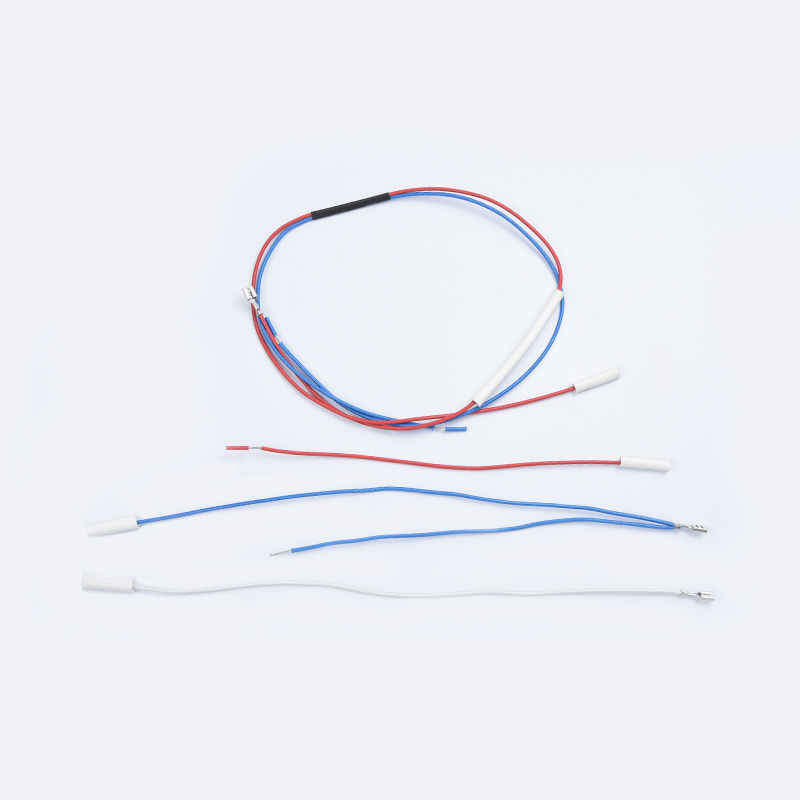
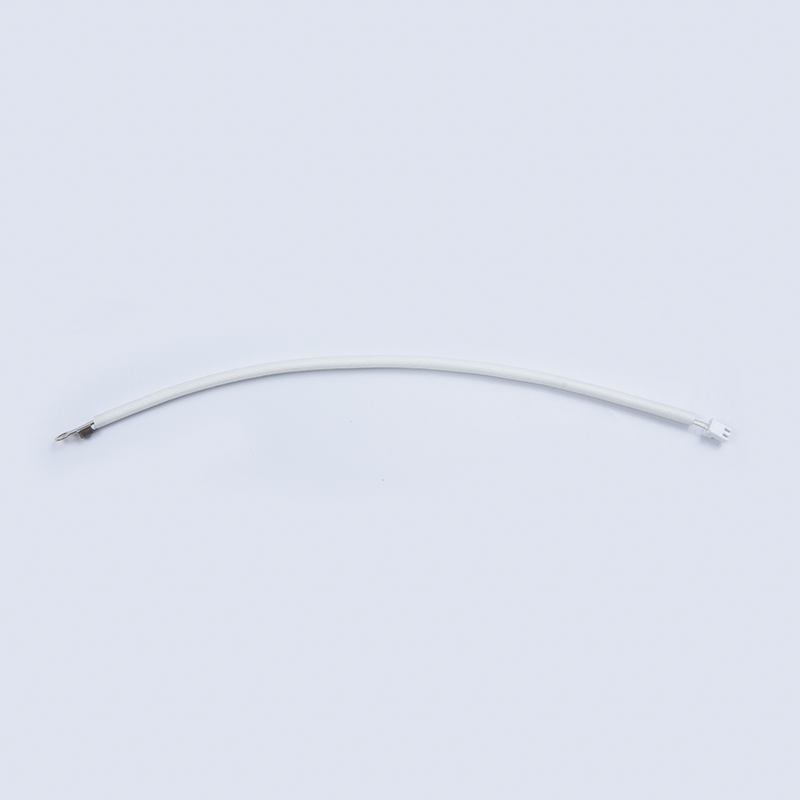 NTC Temperature Sensors with Precision Lead Wire DesignNTC sensors for various appliances with attention to lead wire integrity and shielding, ensuring accurate temperature readings and stable measurement circuits.View Product →
Poorly chosen or damaged wiring is one of the most common causes of intermittent electrical failures, whether inside an engine bay or behind the panel of an appliance. The role of electrical wiring harnesses in reducing electrical failures explains why attention to detail in cables, terminals and routing pays off in reliability.
Frequently Asked Questions
Can solid core spark plug wires be used with resistor spark plugs?
Yes. Resistor spark plugs have a built-in resistor that reduces radio interference. If you choose solid core wires, resistor plugs are often recommended to keep that interference under control.
How can I tell if my wires are solid core without cutting them?
Run a resistance test with a digital multimeter. A near-zero reading across the wire indicates a solid metal core; readings in the thousands of ohms indicate a suppression core.
Is solid core the same as copper core?
Most solid core wires use copper, but there are also solid stainless steel and alloy conductors. Copper is the most common because it offers the best combination of conductivity and cost.
Are solid core wires suitable for a classic car?
If the car has a points-type ignition and you want maximum spark energy, solid core wires can work well. If the car has electronic ignition or a modern ECU, choose a suppressor or spiral core wire instead.
The quickest way to identify solid core spark plug wires is still a multimeter: a near-zero resistance reading tells you the conductor is solid metal. Combine that with a look at the jacket markings and the terminal ends, and you will have a complete picture before you decide whether the wires are right for your engine.
Electricity behaves the same way in every application. The conductor is the first place to look when you want to understand what a wire is doing.