+86-0574-63316601


 中文简体
Content
If you have never stepped inside a wire harness shop, it is natural to picture coils of coloured wire, a few crimping machines and worktables covered with connectors. In practice, a modern wiring harness factory runs like a carefully managed production system. It turns copper, insulation, terminals, connectors and protective sleeving into the neat electrical backbone that makes an appliance safe, reliable and economical to assemble. Whether you are building an air fryer, a washing machine or a garment steamer, the quality of that backbone has a direct effect on your own production line. In this article, we walk through what a harness factory actually does, from engineering review and incoming material checks to cutting, crimping, assembly and final testing.
What a Wiring Harness Factory Does, Step by Step
At its most basic level, a wiring harness factory turns loose wire into an organised, installable component. The work usually begins with a drawing or electrical specification, then moves through prototyping, a bill of materials and production planning. On the shop floor, every station and test point exists to answer one simple question: does this bundle do exactly what the appliance needs it to do?
For home appliance makers, the scope goes beyond simple power connection. Whether you are building an air fryer, a washing machine or a garment steamer, a harness has to deliver current to a motor, carry temperature-sensor signals back to a control board, keep heating elements on schedule and provide a protective ground path. Our guide to what a wiring harness does in kitchen appliances looks closely at that combination of power and signal. On the factory floor, the same combination turns into a production plan, an operator instruction sheet and a test specification.
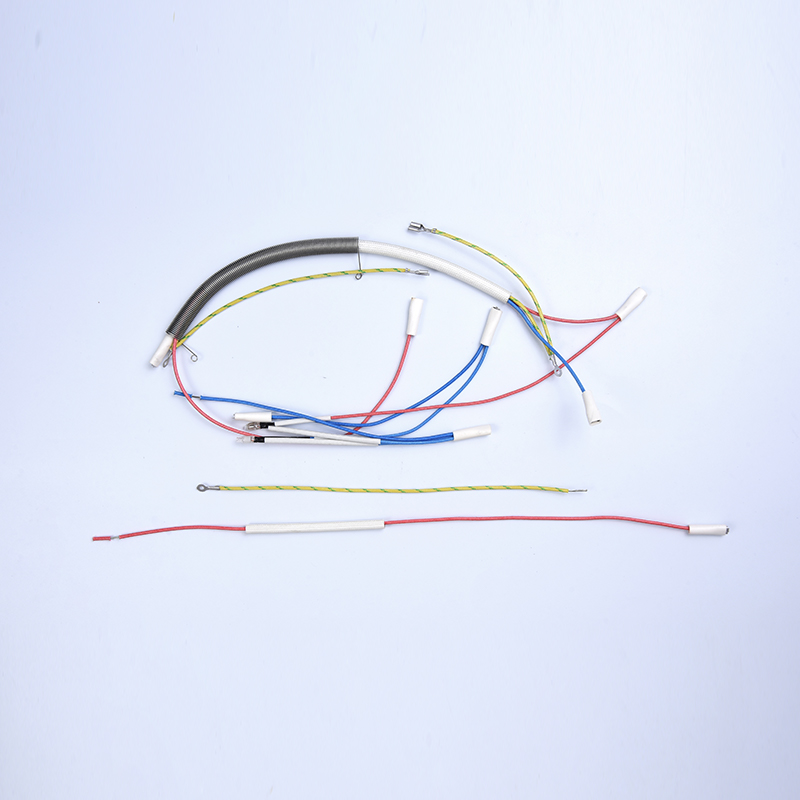
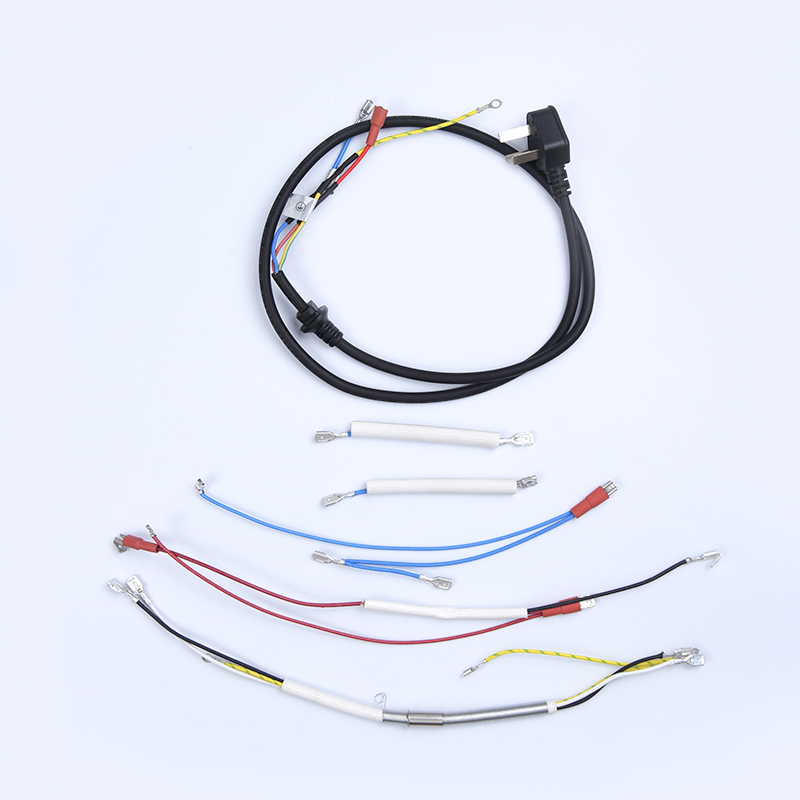
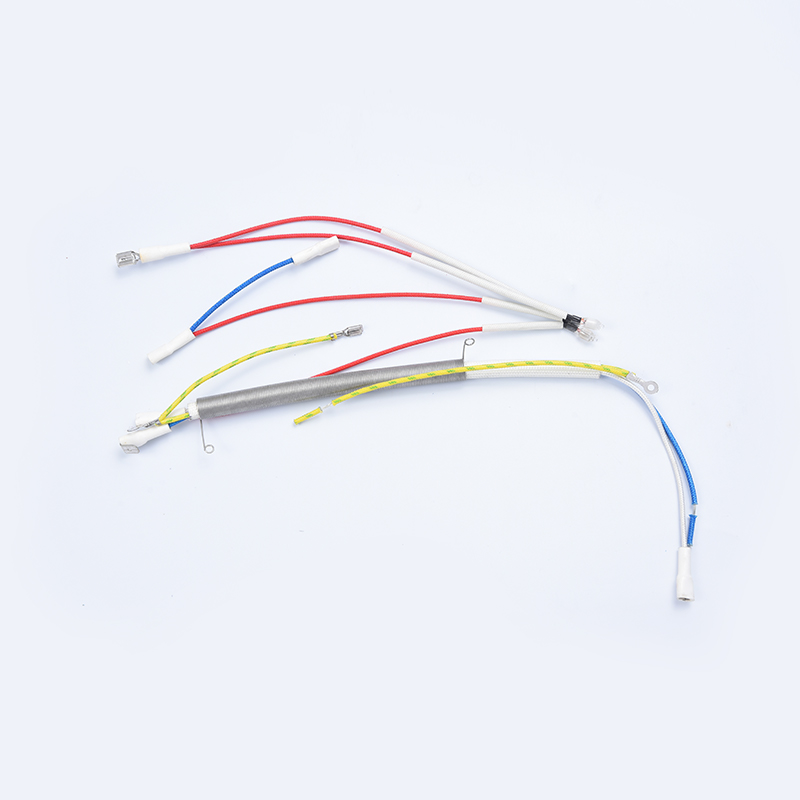
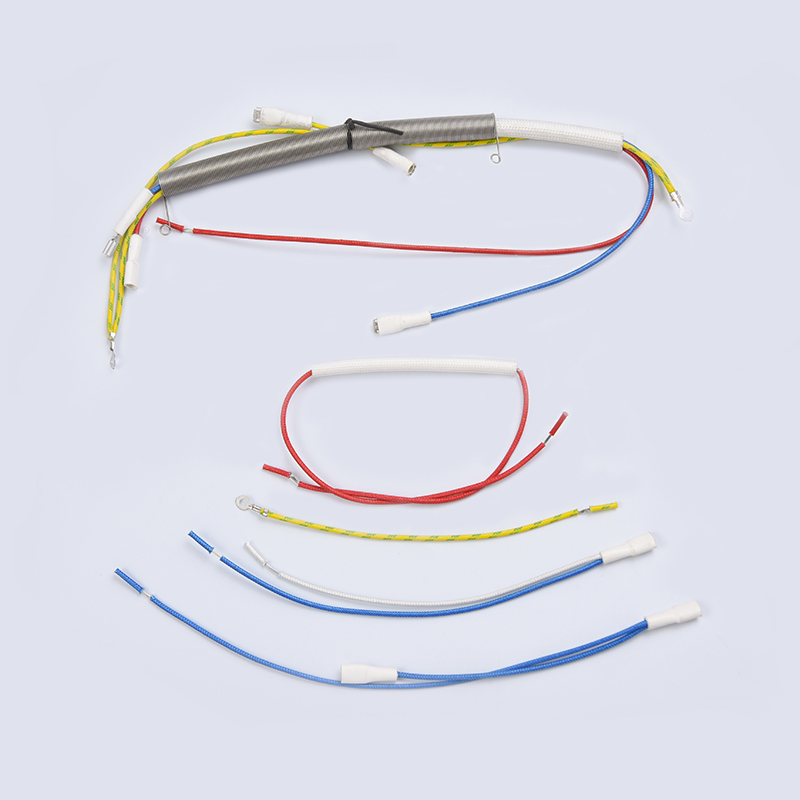
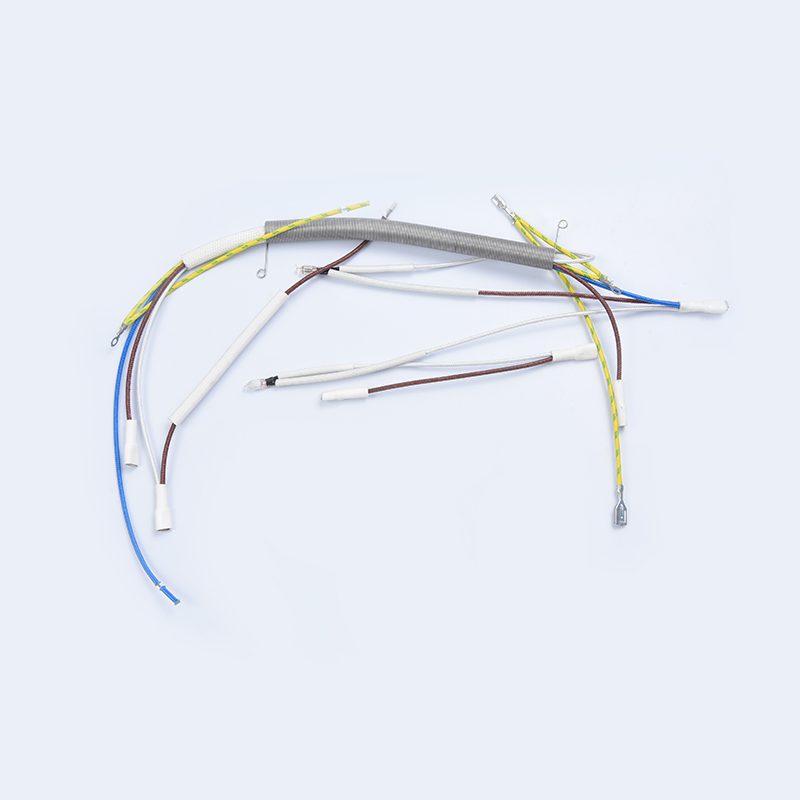
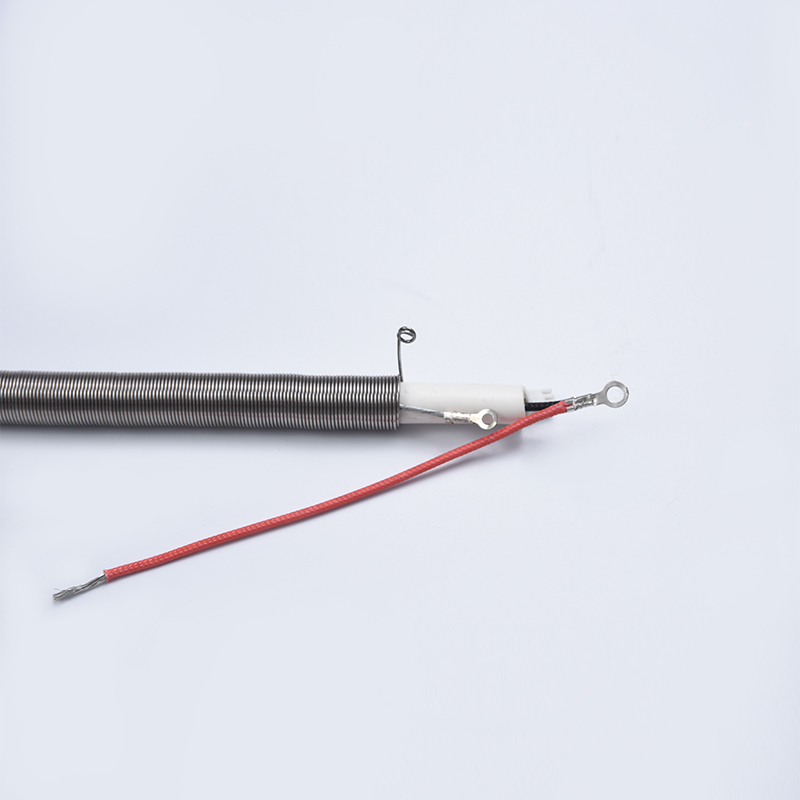
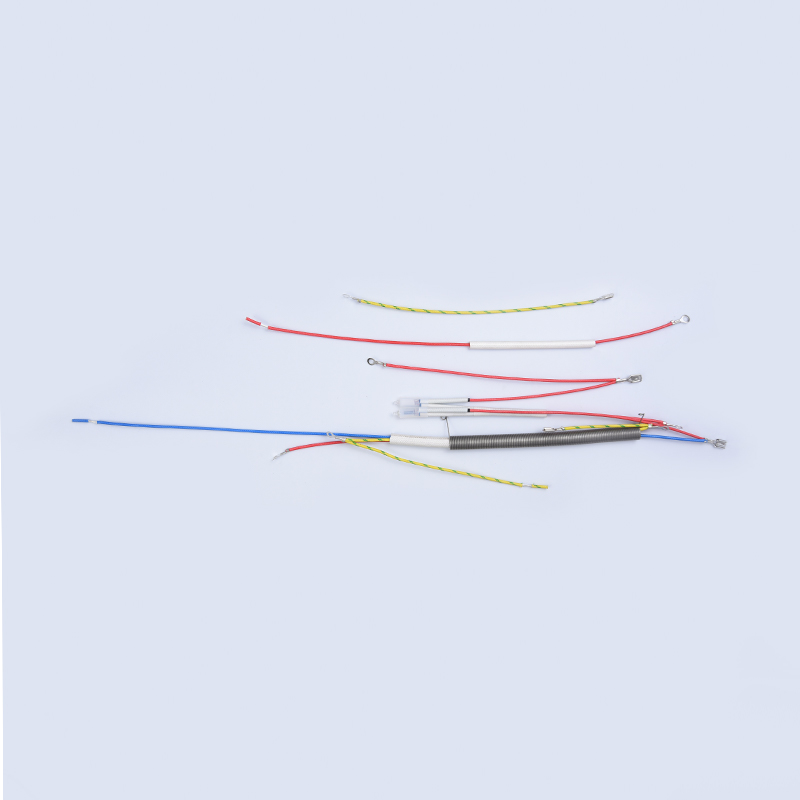
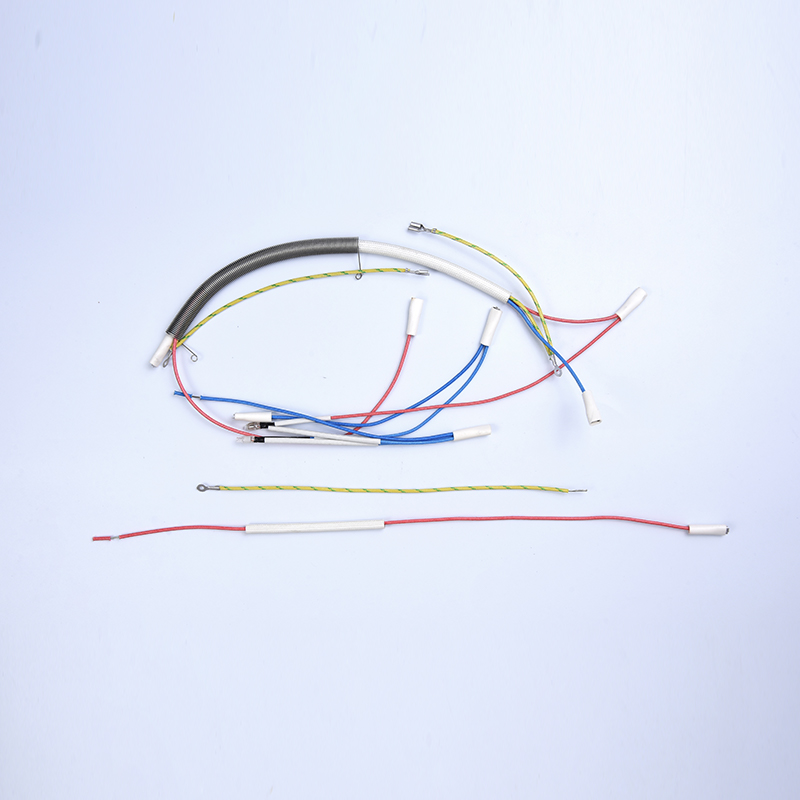
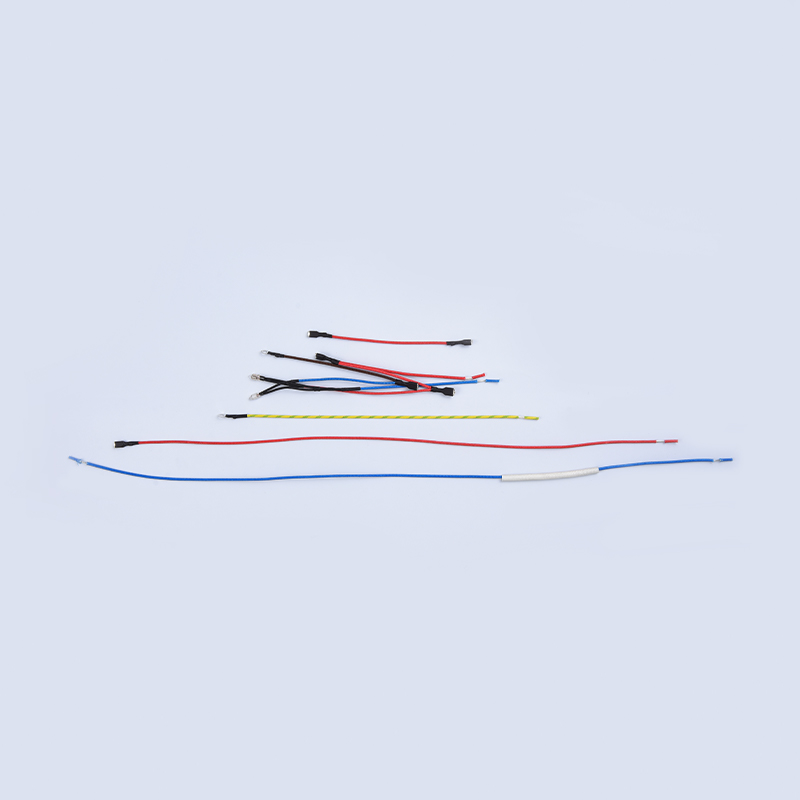
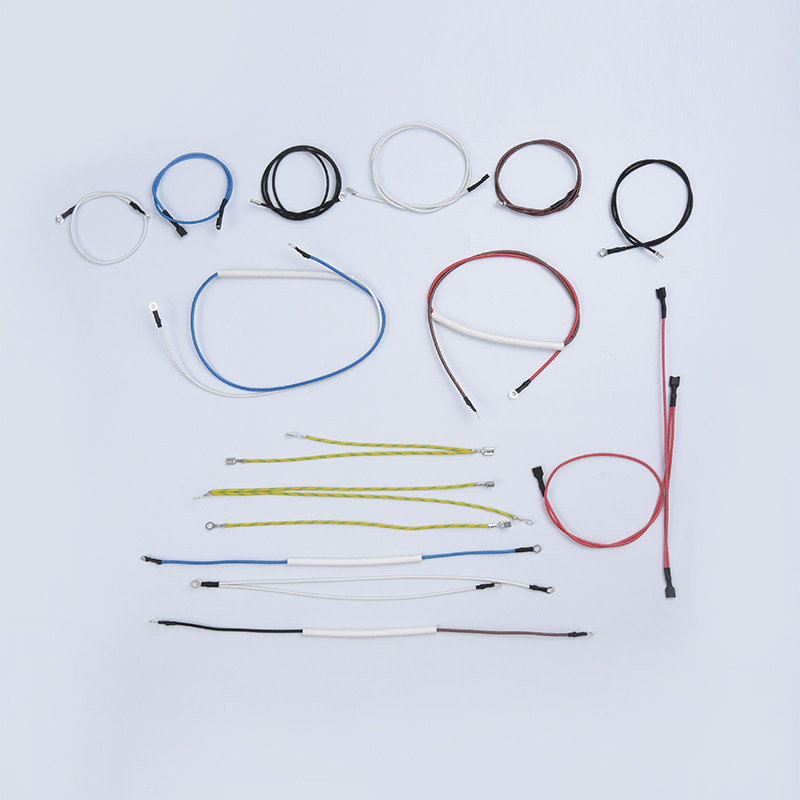 Air Fryer Wiring Harness CategoryExplore a range of wiring harnesses built for high-temperature kitchen appliances, offering stable power and signal transmission with UL and CE compliance.View Product →
What customers often notice first is the variety. A factory may build a simple two-connector thermostat harness for one client, then turn around and assemble a multi-branch loom with heat-resistant sleeving for another. Being able to shift between those requirements without losing consistency is what makes a factory a true manufacturing partner rather than just a cable shop.
Design: Where a Harness Begins
Engineering involvement is often the first difference between a capable harness factory and a passive one. When a customer sends drawings, schematics or a physical sample, the factory team starts by asking practical questions. What working temperature will the harness see? Which wires carry power and which carry sensitive signals? Are there agency standards to meet? What is the mating connector on the control board? Only after those answers do designers select wire gauge, insulation material, terminal type and protection methods such as corrugated tubing, braided sleeving or heat-resistant tape.
Prototyping is equally important. A small batch of handmade harnesses lets the customer test fit and function in real appliances. The factory learns whether the harness length is right, whether the connector orientation helps the assembler and whether any bends create stress. Once the sample is approved, it becomes the benchmark for production. From that point, documentation takes over: the bill of materials, the crimp parameter sheet and the visual inspection standard.
Raw Materials and Incoming Inspection
Raw material control is one of the most underrated parts of harness manufacturing. Copper wire arrives in many specifications, connectors combine moulded housings with plated metal contacts, and protective materials come in the form of shrink tube, braided sleeving and various tapes. A factory has to verify that each reel of wire matches the specified conductor size and insulation rating, that connector contacts are clean and correctly plated, and that dimensions stay within the agreed tolerance.
This is also where linked parts of the system come into view. A temperature sensor often travels through the same supply chain as a harness. If a sensor lead has the wrong resistance tolerance, the appliance may read temperature incorrectly later. If the connector is poor, the same fault appears as an open circuit. Keeping both products moving through one quality system is convenient for the customer and creates fewer hand-off mistakes.
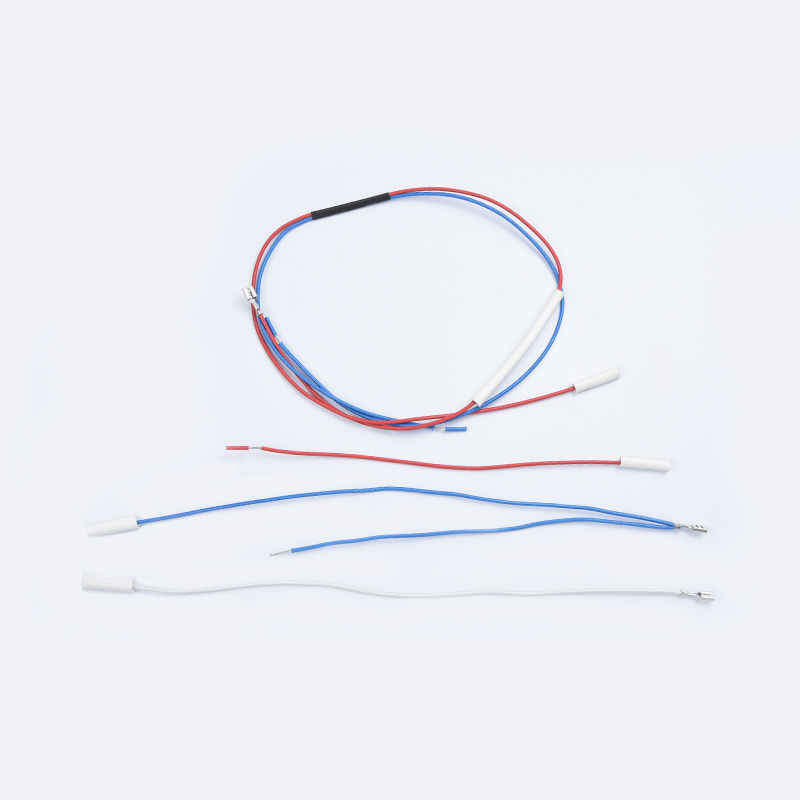
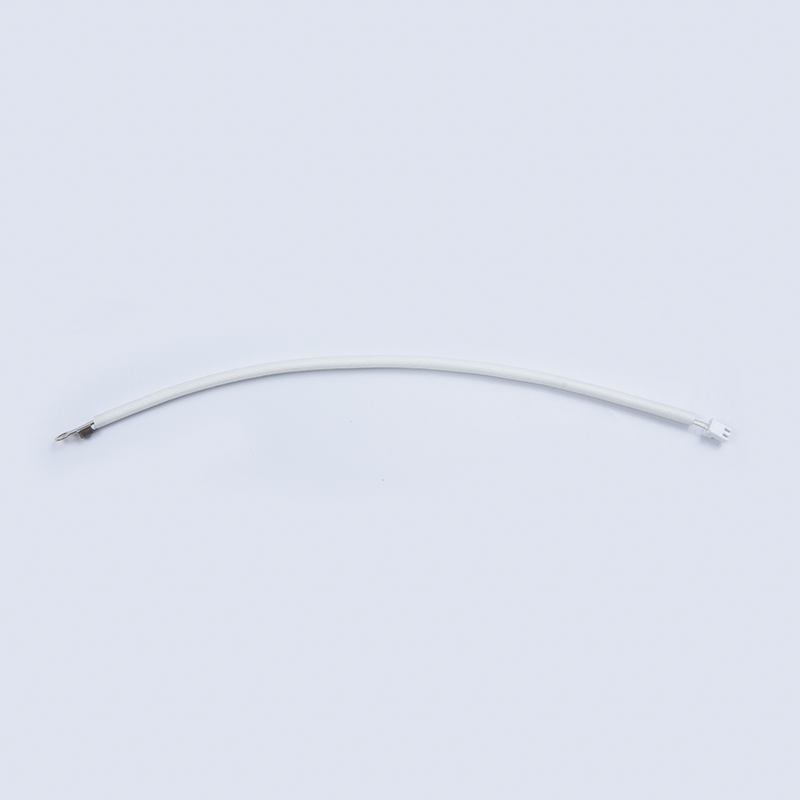 NTC Temperature Sensors for Various AppliancesPrecision thermistor sensors for accurate temperature control across many home appliances, complementing wiring harnesses with high sensitivity and stability.View Product →
The Production Process: From Reel to Finished Harness
This is where the factory floor becomes busy. Despite the variety of appliances, most harnesses follow the same basic route.
| Stage | Main activity | Key quality check |
|---|---|---|
| Cutting and stripping | Cut wire to length, strip insulation | Length tolerance, clean strip |
| Crimping | Attach terminals to conductors | Crimp height, pull-off force |
| Connector assembly | Insert terminals into housings | Terminal position, locking feel |
| Bundling and routing | Lay branches on board, apply tape or sleeving | Routing, tie placement, protection |
| Final test | Continuity, hi-pot and visual inspection | Electrical function, complete documentation |
Cutting and Stripping
Automatic cutting and stripping machines pull wire from reels, measure the exact length and strip insulation at each end. Parameters are set from the approved drawing, and the first piece from every new batch is checked before production continues. This step sets the foundation for everything else, so length tolerance and clean insulation cuts are not optional.
Crimping and Connector Assembly
Stripped wire ends are fitted with terminals by crimping presses, and the terminals are then inserted into connector housings. Although the motion looks quick, the real work is in the control. Crimp height, pull-off force and terminal position all affect whether the connection will stay reliable for years of appliance use. Well-organised factories record these parameters at regular intervals and keep traceability per batch.
Laying Out and Bundling
Assemblers use a wiring board with pins and fixtures that mirror the exact path of the harness. Branches are laid in place, taped with fabric or PVC tape and wrapped with protective sleeving where needed. A washing machine harness, for example, often has branches that pass near the drum area, so the board holds each branch exactly where it should go and the operator adds extra protection at the contact points. Because the board controls the shape, supervisors can quickly spot a missing tie or an incorrectly routed wire.
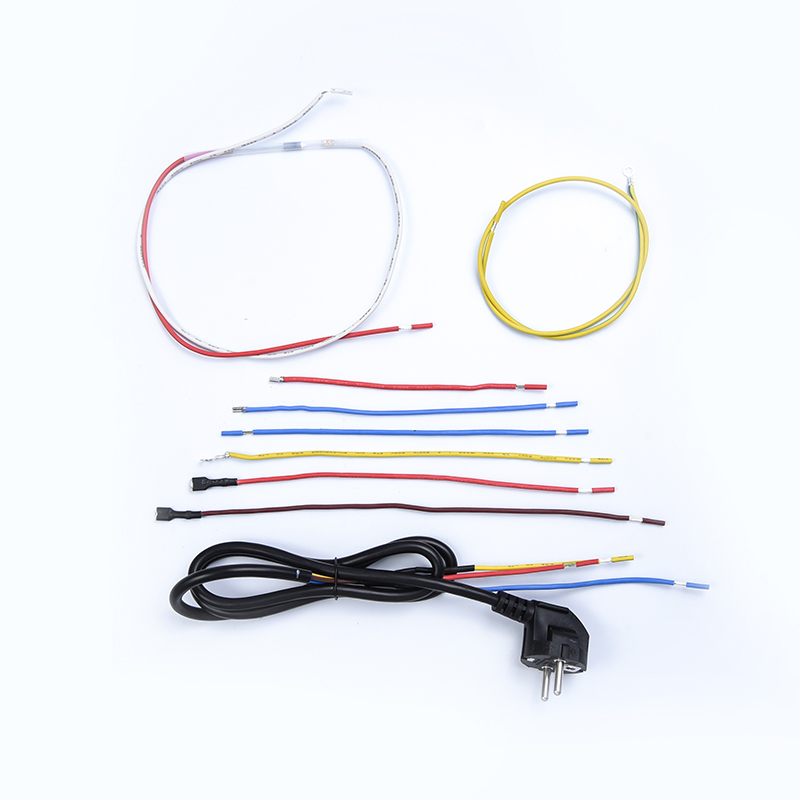
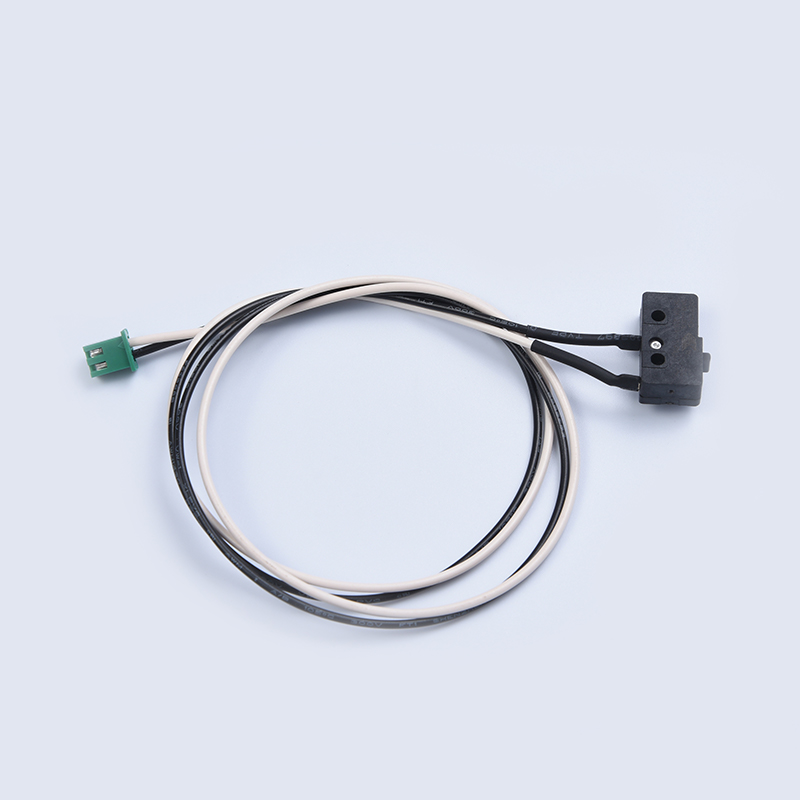 Washing Machine Wiring Harness with Durable InsulationRobust harness design for washing machines, featuring heat, vibration, and moisture resistance, plus overload protection for reliable operation.View Product →
Testing: Catching Faults Before They Reach You
Quality control in a wiring harness factory is not a single checkpoint at the end of the line. It begins with first-article inspection and continues through in-process checks. For finished harnesses, the common tests are:
- Continuity testing to confirm that every wire reaches the right terminal and there are no opens or shorts.
- Hi-pot testing, which applies a higher voltage than normal to prove that insulation can handle fault conditions.
- Pull testing to verify that terminals stay firmly attached to conductors.
- Visual and dimensional checks for connector locking, labelling and correct routing.
Test fixtures are usually customised with the same connector pattern as the appliance, so the harness is tested in the same electrical layout where it will live. Test records also form a batch passport; should anything come up in the field, the factory can trace the batch and check its documented results.
Customisation, Volumes and Supply Chain Realities
A harness factory works differently depending on where the customer is in its own product journey. Early-stage products often need fast prototyping, a few dozen units and quick design changes. Mature products may need steady monthly volumes, automated handling and long-term cost discipline. A good factory can flex between the two without letting quality slip.
Practical details matter too: engineering change notices, inventory planning for connectors that come from different suppliers, and packaging that protects the harness during shipping. These are not glamorous topics, but they shape how smoothly the customer’s assembly line runs. When a factory manages them well, the buyer gets fewer surprises, easier line-side handling and a steadier supply of consistent parts.
Behind every dependable appliance there is a carefully made wiring harness, and behind that harness there is a factory that understood the whole picture. From engineering review and material selection to crimping, bundling and testing, each step adds a layer of assurance. That is why working with a harness factory is best seen as a partnership: the factory’s experience, documentation habits and quality culture all show up in the final appliance. If you would like to see the product categories we build every day, you can browse our appliance wiring range. Whatever the next appliance project looks like, the right factory will already be thinking about how to make it safe, consistent and easy to manufacture.