+86-0574-63316601


 中文简体
中文简体Content
A wiring harness is one of those quiet components that almost nobody thinks about until it fails. Yet without it, a modern home appliance would be a collection of wires going nowhere. When customers ask us how a wiring harness works, the short answer is that it organizes electrical power and signals between different parts of a machine so that each component receives exactly what it needs, when it needs it. If you are still wondering what problem a wiring harness solves, start with our overview of what a wiring harness does.
What Is a Wiring Harness?
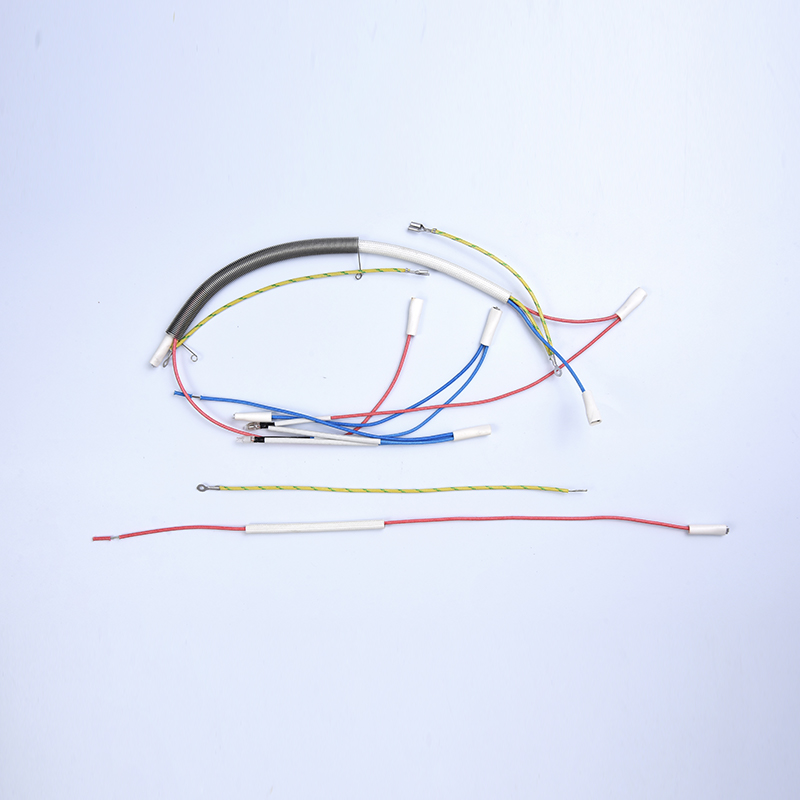
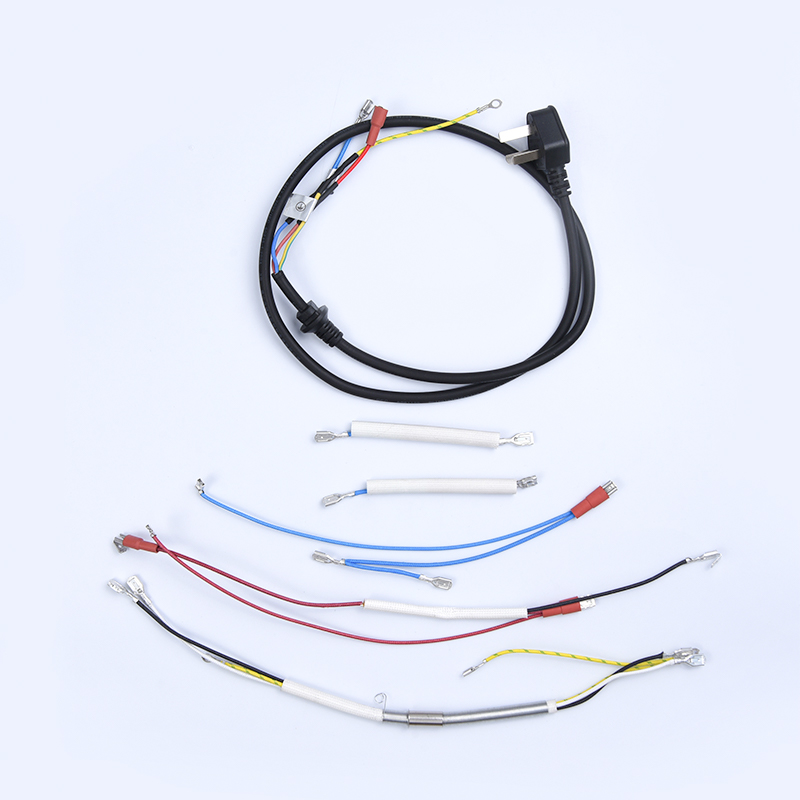
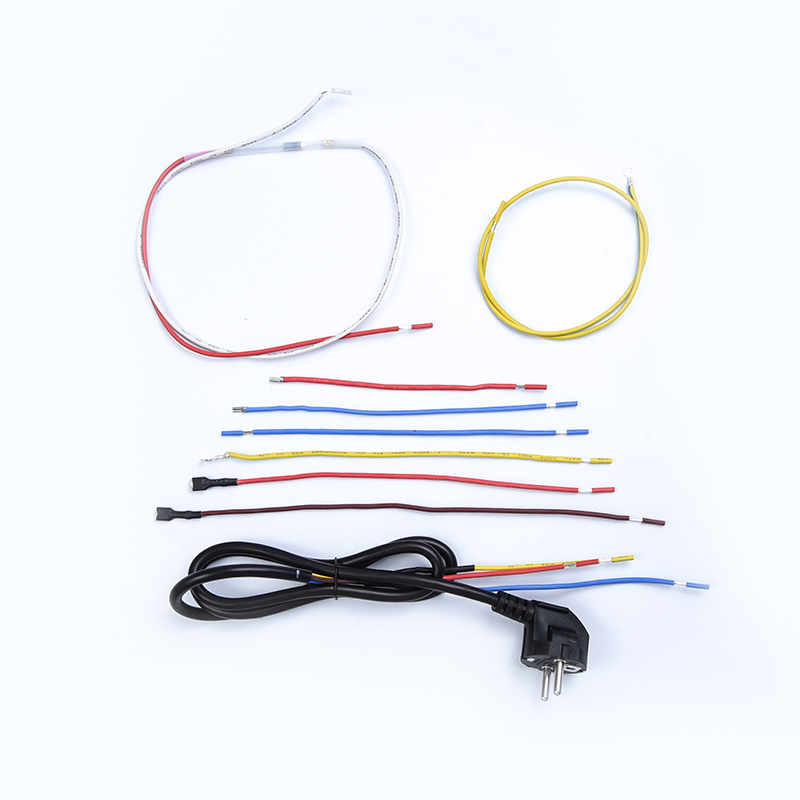
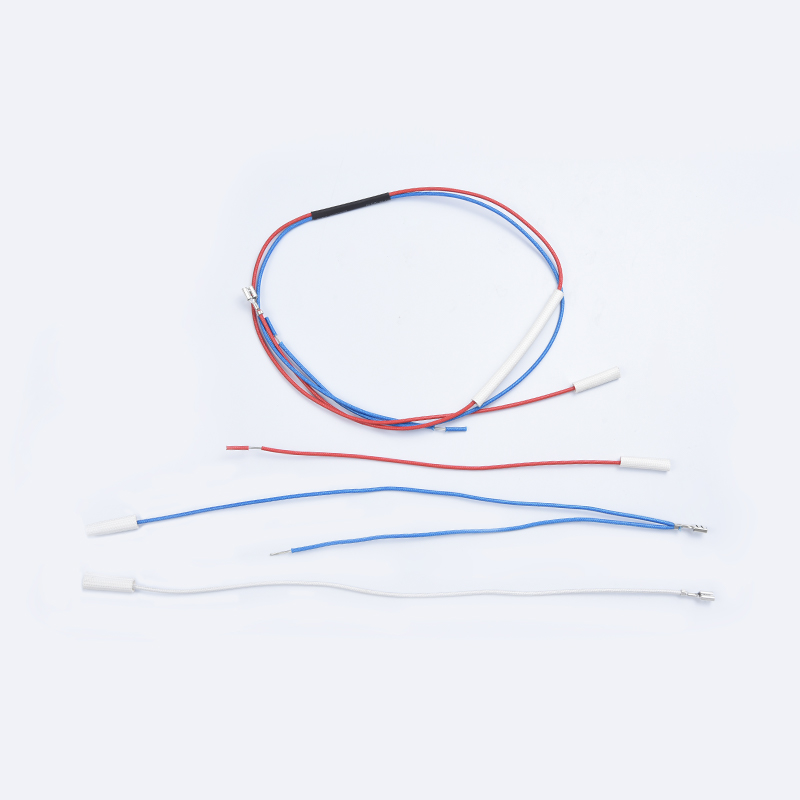
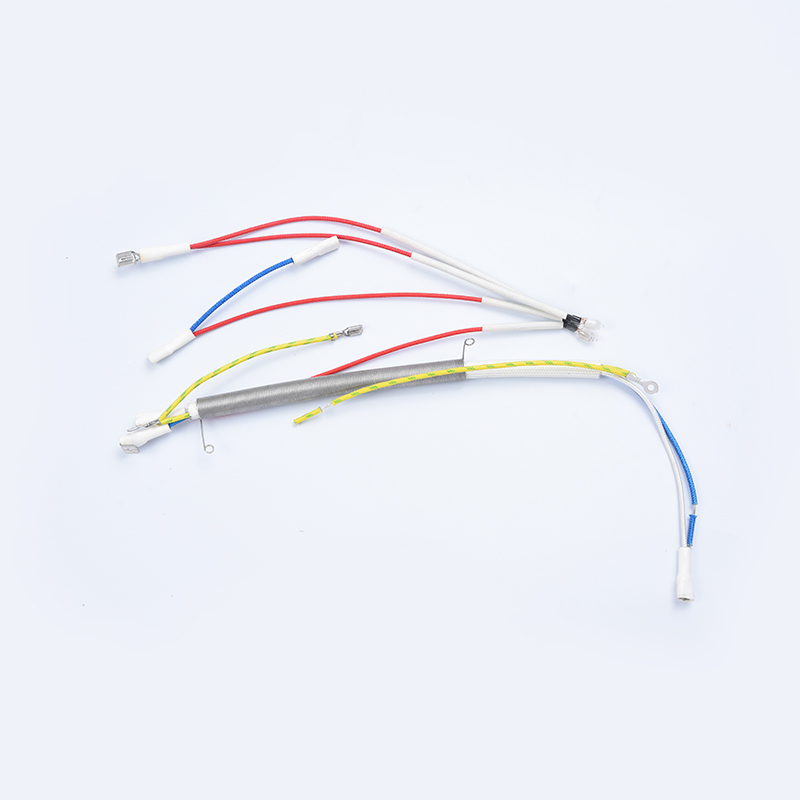
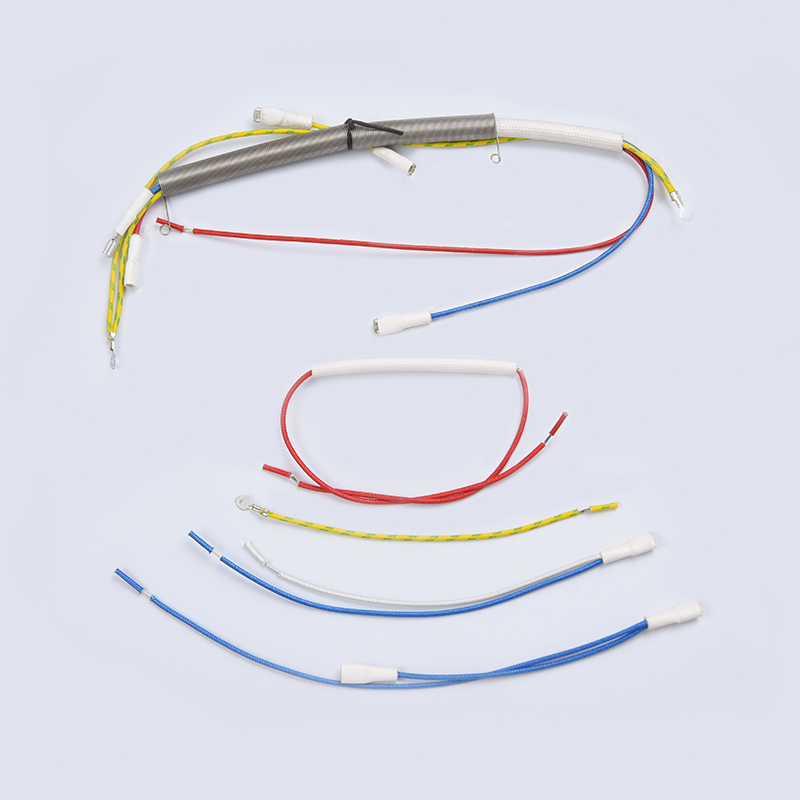
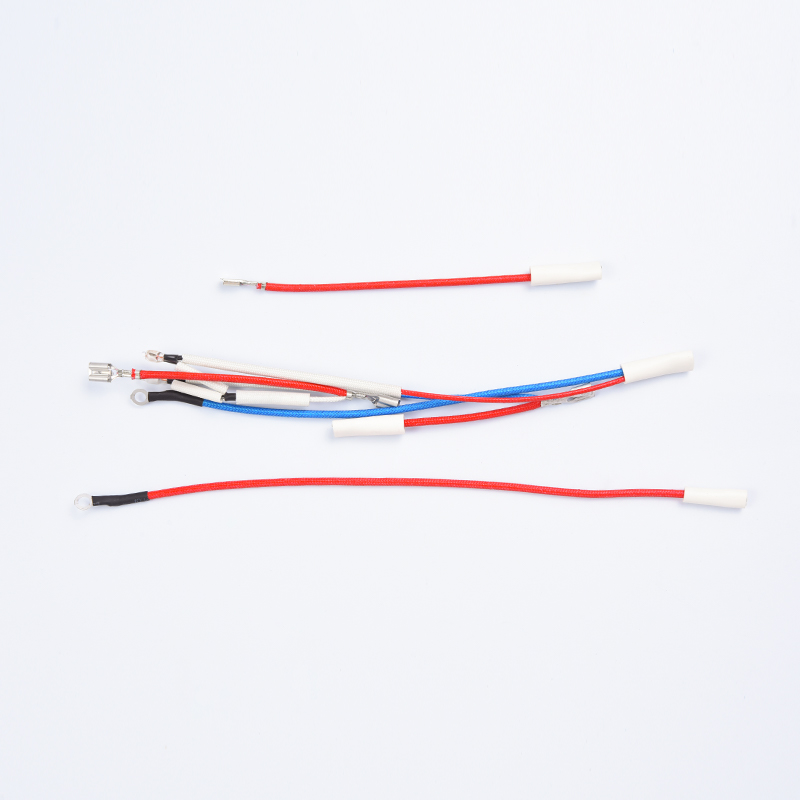
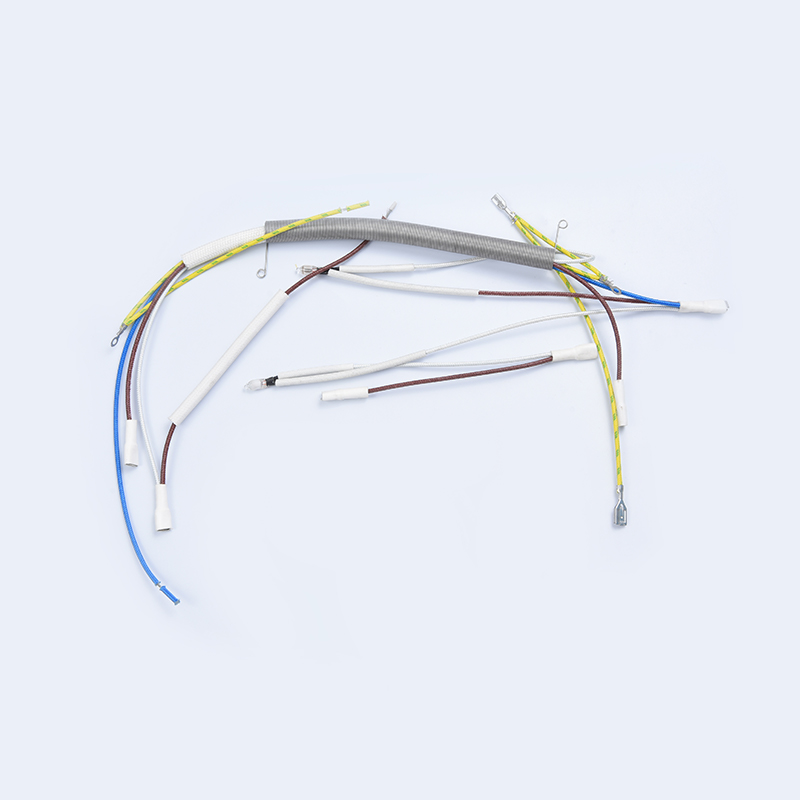
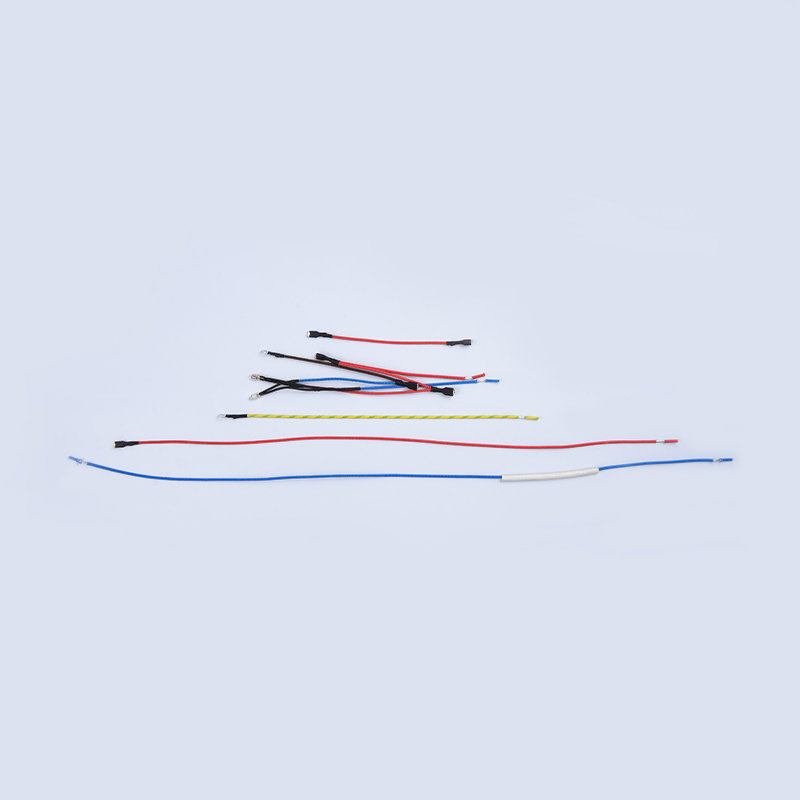
A wiring harness is an engineered assembly of wires, terminals, connectors, sleeves, and protective coverings that transmits electrical power and signals among components. Instead of running dozens of loose wires inside a product, the harness bundles them into one organized unit. This simplifies assembly, reduces the chance of wiring errors, and protects every conductor from vibration, heat, and mechanical wear.
In home appliances, the harness works as the central nervous system. It carries current from the power cord to a control board, then from that board to heating elements, motors, fans, switches, sensors, and displays. The physical layout of the harness follows the routing path inside the appliance, with precise wire lengths and connector positions so the assembly can be installed quickly and correctly.
How Does a Wiring Harness Work?
Although every appliance is different, the working principle of a harness follows the same electrical logic:
- Power enters the appliance through the power cord.
- The control board or switch decides when to energize a load.
- The harness routes current from the board to that load.
- The return wire carries current back to complete the circuit.
The Basic Electrical Path
A harness does not change the behavior of electricity. It simply provides a safe and organized route for current. Power enters through a plug, passes through a switch or control board, travels along a conductor to a load such as a heater or motor, and returns through another conductor to complete the circuit. Each wire inside the harness must be matched to the amount of current it will carry. A conductor that is too thin can overheat and create a fire risk; one that is too thick adds unnecessary cost and stiffness.
Power Distribution Across Multiple Loads
Most appliances contain more than one electrical load. A washing machine, for example, has a drum motor, a drain pump, water valves, and often a heater. The harness functions like a miniature power distribution network. It accepts a single power input and branches it through fuses, thermal cut-offs, or relays to each load. This keeps every branch protected and controllable.
Signal Transmission and Sensor Feedback
Wiring harnesses also carry signals, not just power. A temperature sensor may send a low-voltage signal through the harness to the control board, which then decides whether to switch the heater on or off. Because these signals are weak, the harness must protect them from electrical noise. Twisted pairs, shielded cables, and careful routing all help preserve the accuracy of the signal.
Grounding and the Return Path
Every electrical circuit needs a return path. The harness provides ground wires that lead back to the power source. In appliances with metal frames, a separate ground wire creates a safety path. If a live conductor accidentally touches the chassis, the ground wire gives the current a low-resistance route so that a fuse or circuit breaker can disconnect quickly. This is one reason the design of a harness is as much about safety as it is about function.
Key Components of a Wiring Harness
To understand how a wiring harness works, it helps to know the parts that make up the assembly. Each part has a clear role, as summarized below.
| Component | What it does |
|---|---|
| Wire / conductor | Carries current between components |
| Terminal | Crimps onto the wire and creates the electrical contact |
| Connector housing | Holds terminals, aligns them, and locks the connection |
| Sleeving / tape | Protects wires from heat, moisture, and abrasion |
| Fuse / thermal cut-off | Breaks the circuit under overcurrent or overtemperature |
| Labels / markings | Identify wire function, destination, and test status |
Every connection in the chain matters. A loose terminal increases resistance, generates heat, and eventually causes intermittent faults. That is why factories use crimping tools with strict quality checks instead of simple soldering or twisting.
How a Wiring Harness Works in an Air Fryer
An air fryer is a simple, practical example. It contains a heating element, a fan motor, a control board, and a thermostat. The harness connects each of these parts. When you set a temperature, the control board sends power to the heating element through one branch of the harness. The fan motor receives power through another branch, pulling air across the heater and around the food. The thermostat, connected back to the control board through the same harness, reports the actual air temperature so the board can cycle the heater on and off.
The design of the harness determines whether all of those signals happen reliably, especially as the appliance heats and cools. Wire insulation, terminal crimps, and connector retention are all selected to withstand the temperatures inside an air fryer.
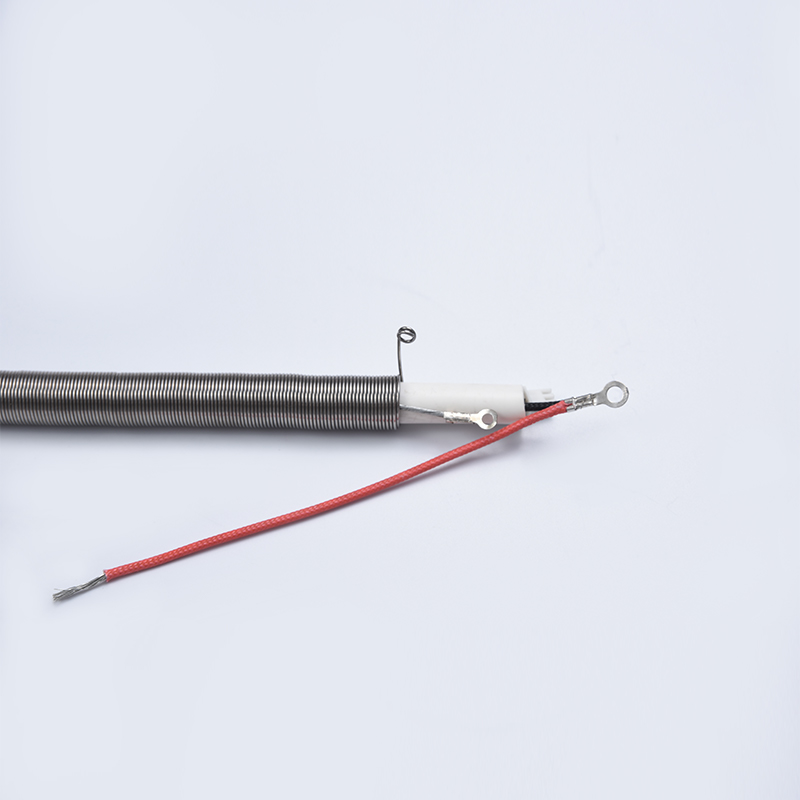
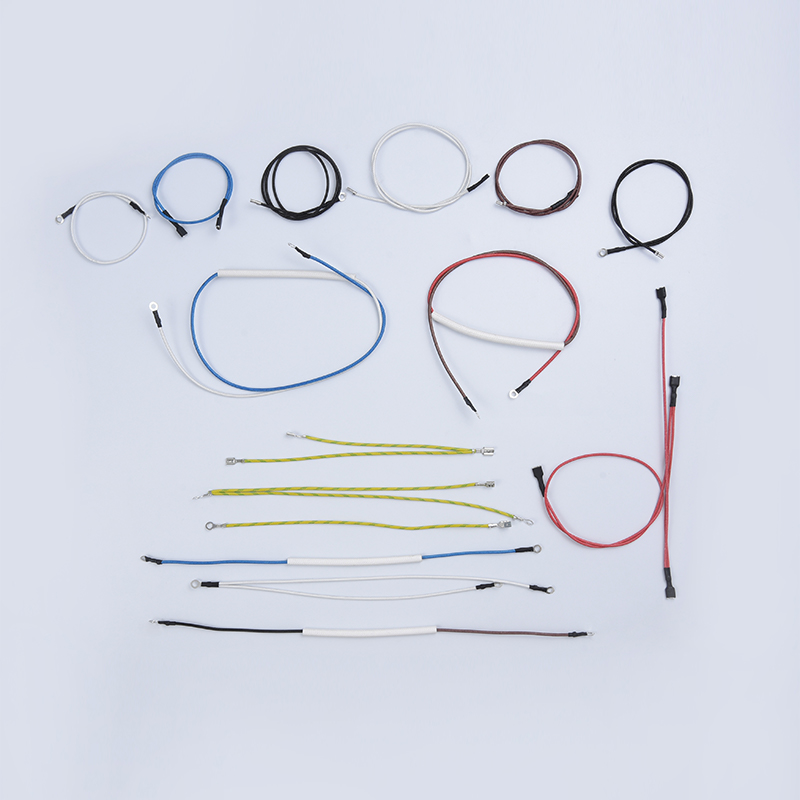 Reliable Air Fryer Wiring Harness for Temperature SensingThis wiring harness carries NTC sensor signals in air fryers, with insulation and connectors designed for high heat. It ensures stable temperature readings despite thermal cycling.View Product →
How Temperature Sensing Works With the Harness
Many modern appliances rely on a negative temperature coefficient (NTC) sensor to control temperature. The sensor changes its resistance as the temperature changes. The control board sends a small voltage through the sensor, reads the returning signal, and calculates the temperature. The harness quietly carries that signal between the sensor and the board. Without a reliable harness, even an accurate sensor would send false or intermittent data.
In an air fryer, the NTC sensor is mounted near the heating element or in the air stream. The same harness that supplies power to the heater also carries this sensitive feedback signal. Designers must keep the signal wire away from high-current wires to avoid interference, and the sensor connector must be locked so it cannot vibrate loose.
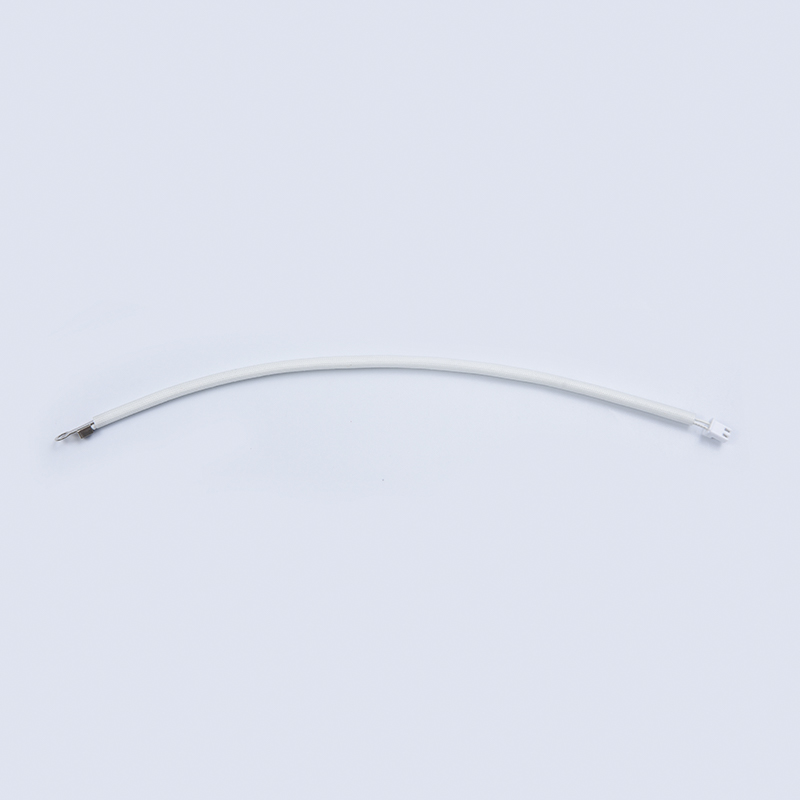 Precision NTC Temperature Sensor for Air Fryer ControlThis NTC sensor provides accurate temperature feedback to the air fryer control board. Its placement near the heater and locked connector help maintain consistent cooking performance.View Product →
From Kitchen to Countertop: Coffee Machines
The same principle applies to a coffee machine, though the loads are different. A coffee machine has a water pump, a heating element, solenoid valves, and a control board. The harness distributes power to the pump and heater, and it carries signals from float switches, temperature sensors, and brewing controls. Because coffee machines involve water and heat, the harness needs waterproof connectors, strain reliefs, and insulation rated for the local temperature.
From our factory experience, the biggest difference between a kitchen appliance harness and an environmental appliance harness is usually environmental protection: some products need higher ingress protection or more flexible cables. The working principle remains the same, but the materials and connector choices change.
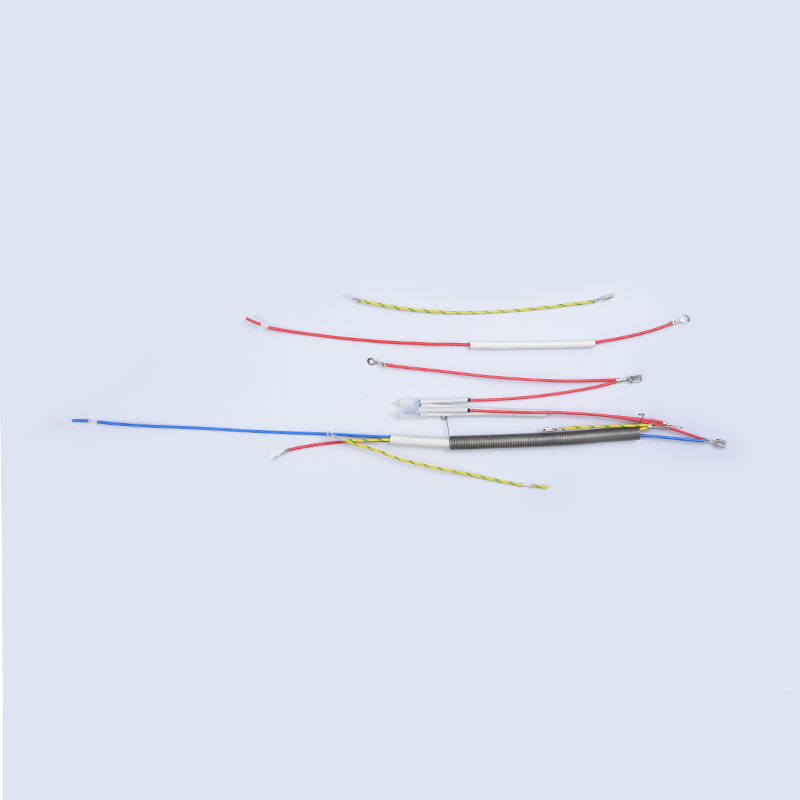
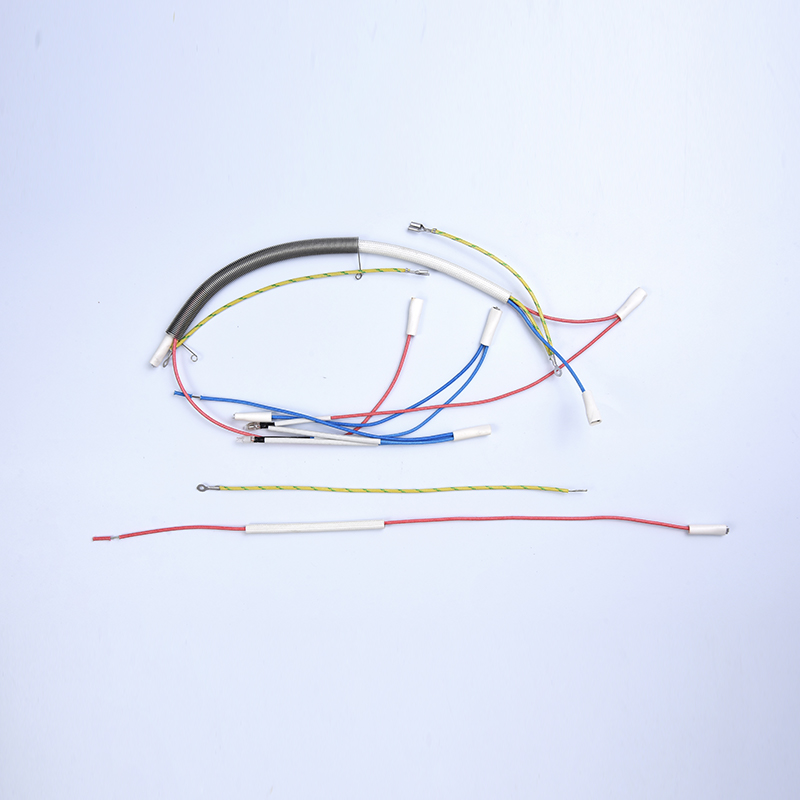
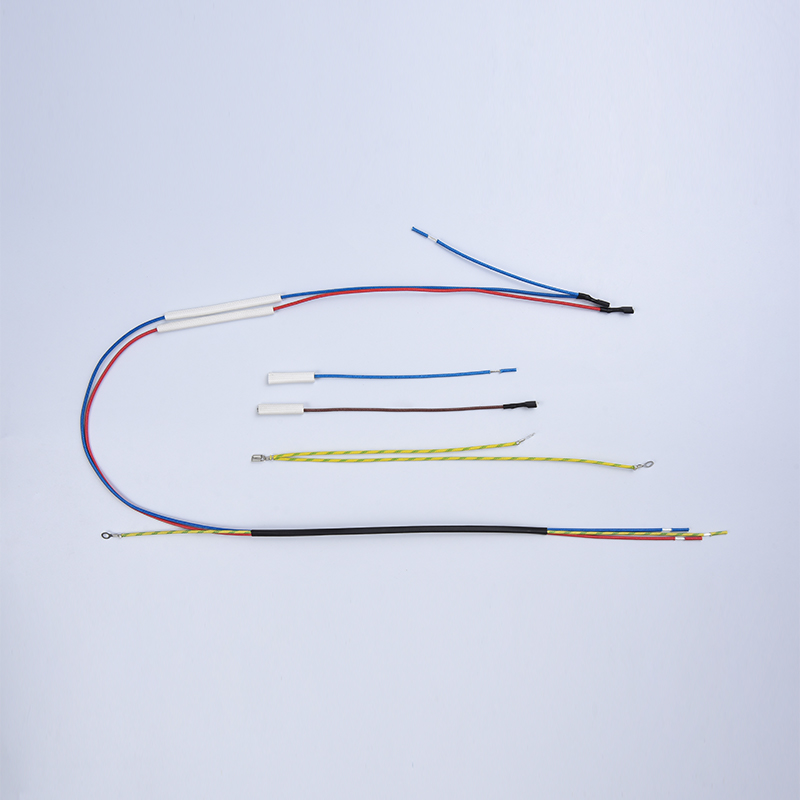 Durable Coffee Machine Wiring Harness for Water and HeatThis harness distributes power and signals in coffee machines, featuring waterproof connectors and strain reliefs. It handles water exposure and heat while supporting pump and valve operations.View Product →
What We Consider When Designing a Harness
When a customer sends us a new project, we do not simply choose a wire and cut it to length. We work through a list of engineering decisions that decide whether the harness will perform for years or fail after a few months.
Wire Gauge and Insulation
The current passing through the circuit determines the cross-section of the wire. Higher current requires a larger conductor. The ambient temperature determines the insulation material. PVC, silicone, and cross-linked materials all have different temperature limits.
Connector and Terminal Selection
Connectors must mate with the customer’s control board and components. Locking features, sealing, and current rating all need to match. Terminal crimp height is controlled within a tight range, because a loose crimp creates resistance and heat.
Routing and Protection
Inside the appliance, the harness must follow the available space without rubbing against sharp edges. Corrugated loom, braided sleeving, tape, or heat shrink protect the bundle. Labels and color codes help the assembly line and service technicians identify every wire.
Testing
After assembly, every harness is tested. A continuity test verifies that each wire goes exactly where it should. A hipot test checks the insulation for weak points. Pull tests verify that terminals are securely crimped. These checks catch problems before the harness reaches your production line.
A wiring harness is more than a bundle of cables. It is a carefully engineered system that carries power, protects signals, and keeps appliances safe. The more complex the appliance, the more important the harness becomes. Every harness we ship from our wire harness factory is designed, built, and tested with this working principle in mind.