+86-0574-63316601


 中文简体
中文简体Content
- 1 What Does a Wiring Harness Do?
- 2 How a Wiring Harness Is Built
- 3 Types of Wiring Harnesses by Application
- 4 Electric Iron Wiring Harness: Why It's Different
- 5 Key Components Inside an Electric Iron Wiring Harness
- 6 Warning Signs of a Failing Wiring Harness
- 7 Choosing a Replacement Electric Iron Wiring Harness
- 8 Maintenance Tips to Extend Harness Life
What Does a Wiring Harness Do?
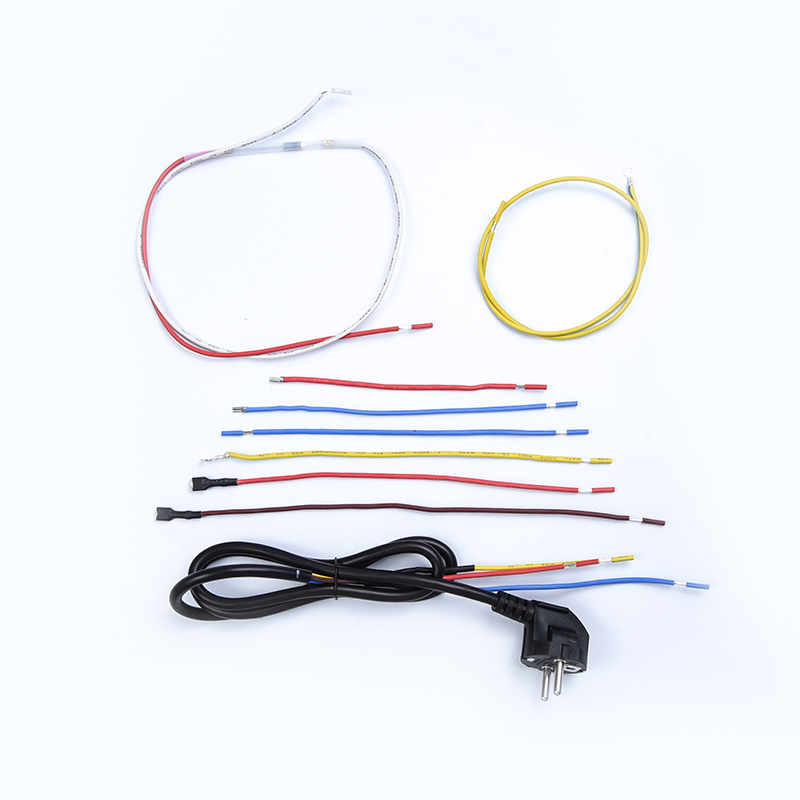
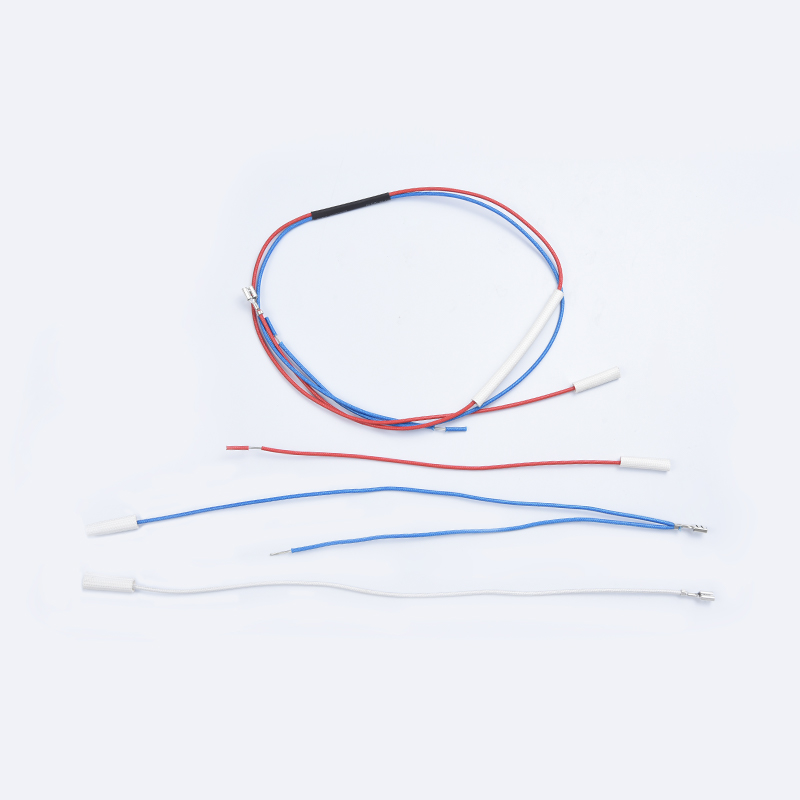
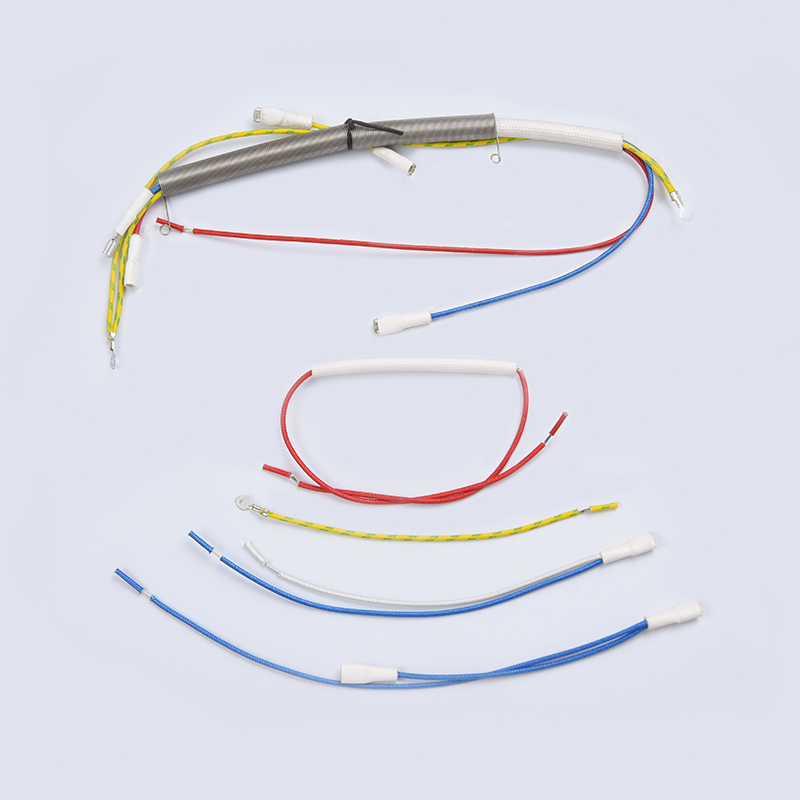
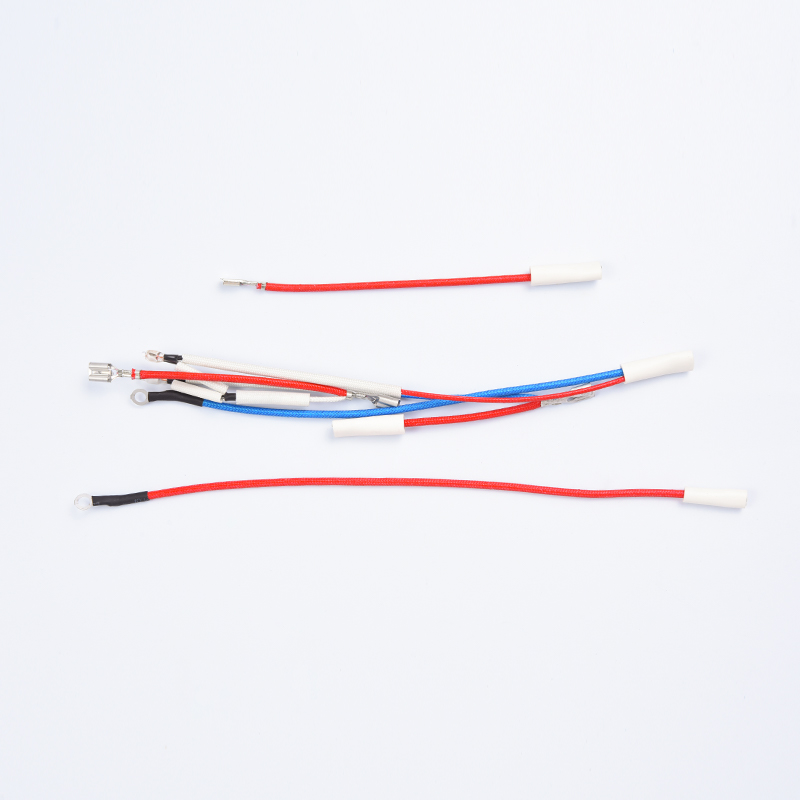
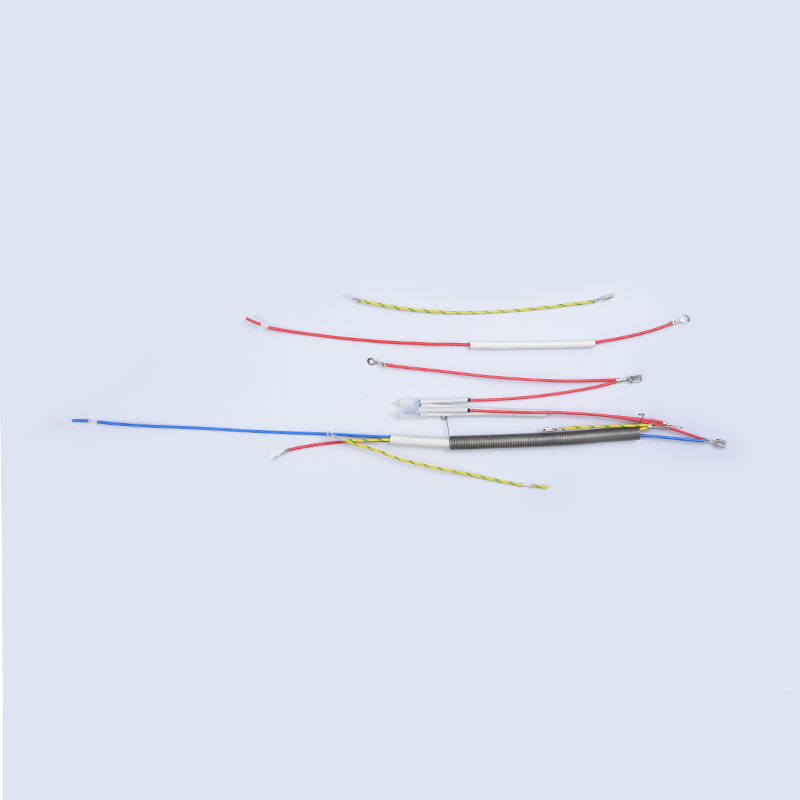
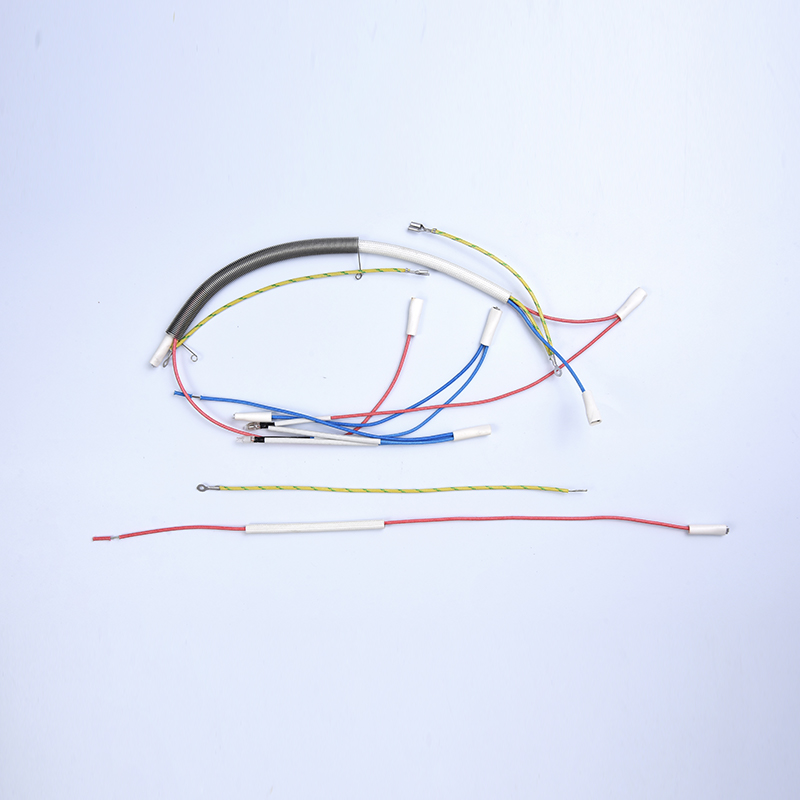
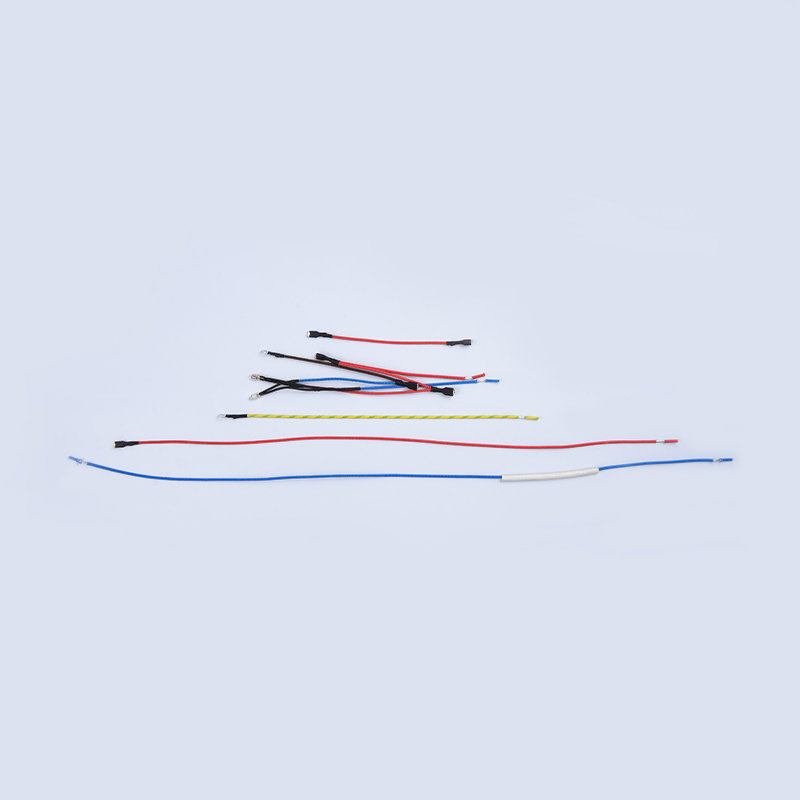
A wiring harness organizes multiple wires, cables, and connectors into a single bundled assembly that routes electrical power and signals between components while protecting the wires from heat, abrasion, vibration, and moisture. Instead of loose wires running individually through a device, a harness groups them together with sleeving, clips, and connectors so they install faster, last longer, and carry far less risk of short circuits or electrical fires.
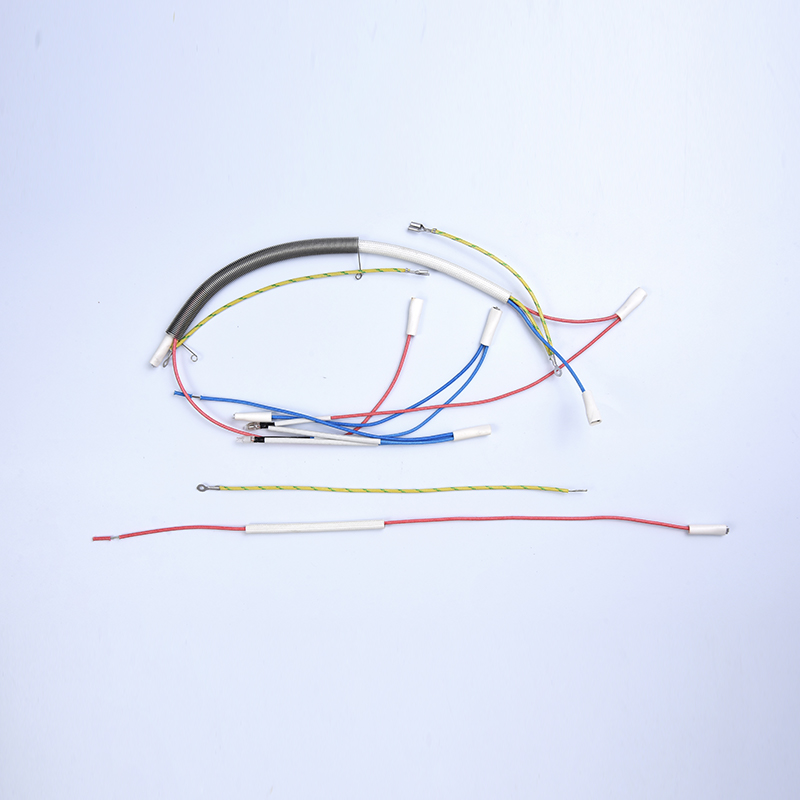
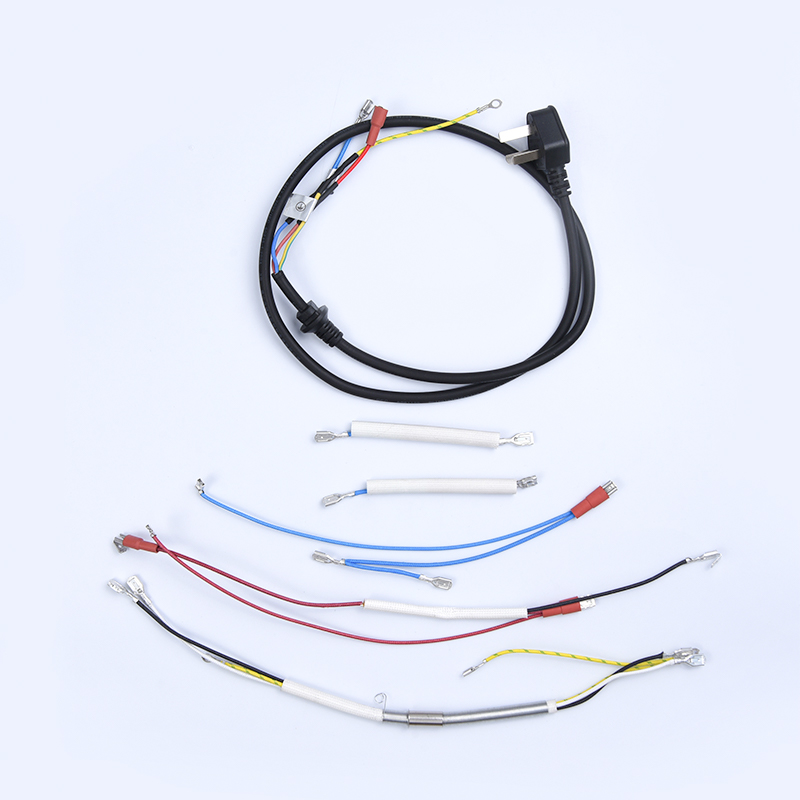
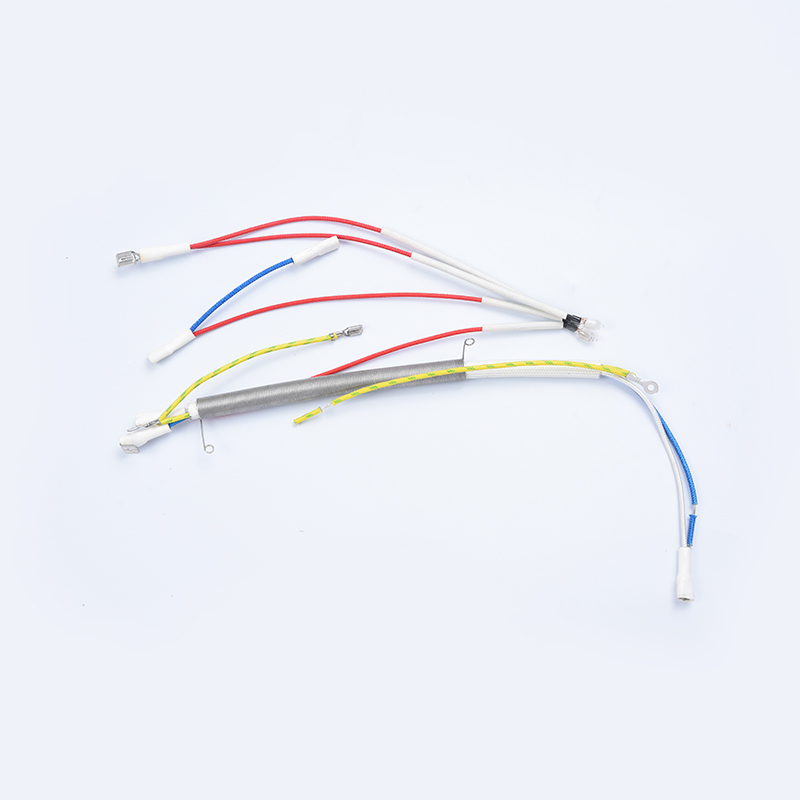
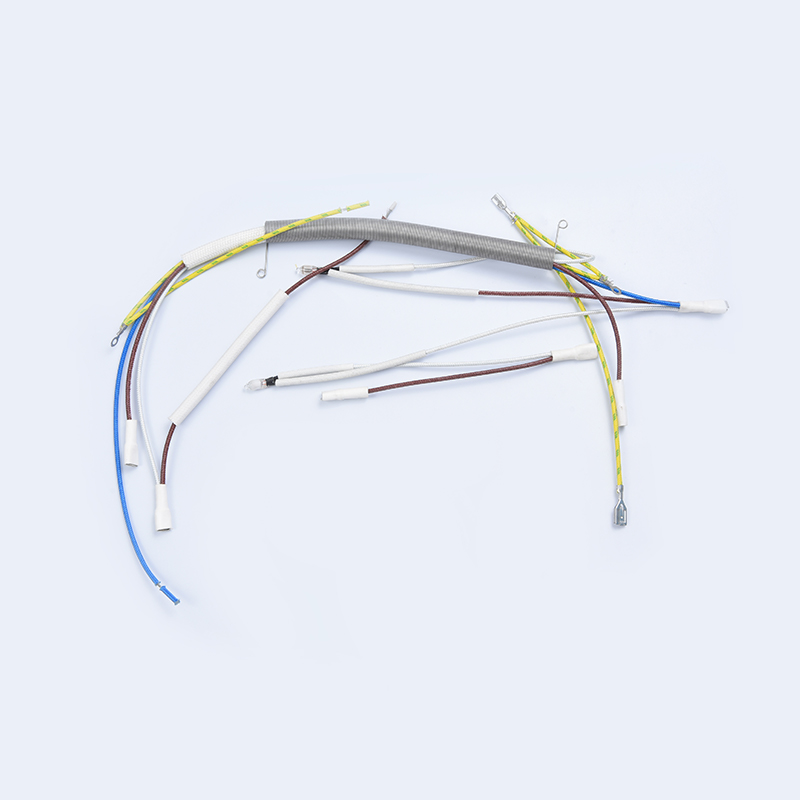
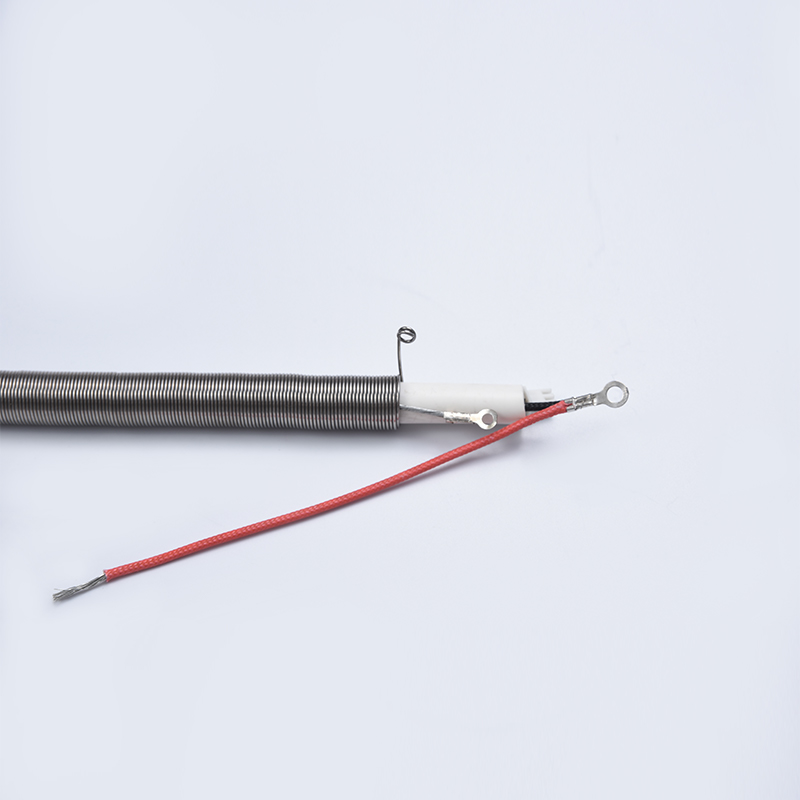
In an electric iron, for example, a single wiring harness typically connects the power cord to the heating element, thermostat, thermal fuse, and indicator light, allowing all of these parts to share one protected pathway instead of four or five exposed connections.
Core Functions of a Wiring Harness
- Bundles multiple wires into one organized, manageable assembly
- Shields conductors from heat, friction, and moisture damage
- Standardizes connections using terminals and connectors for consistent assembly
- Reduces manufacturing and repair time compared to wiring components individually
- Lowers the risk of short circuits, arcing, and electrical fires
How a Wiring Harness Is Built
A typical wiring harness is made from five core elements, each chosen based on the current load, heat exposure, and movement the assembly will experience. Wire gauge and insulation type are the two factors that most affect performance and safety.
Main Components
- Copper conductors sized by AWG (American Wire Gauge) to match current draw
- Insulation (PVC, silicone, PTFE, or rubber) rated for the operating temperature
- Connectors and terminals (spade, ring, or molded plugs) for secure attachment
- Protective sleeving such as braided loom or convoluted tubing
- Clips, tape, or grommets that secure the harness and prevent chafing
| Wire Gauge (AWG) | Max Current Rating | Typical Use |
|---|---|---|
| 22 AWG | 3–5A | Indicator lights, low-power signals |
| 18 AWG | 10A | Thermostats, small motors, electric irons |
| 16 AWG | 13A | Heating elements, power cords |
| 14 AWG | 15–20A | High-draw appliances, main feeds |
Types of Wiring Harnesses by Application
While the basic concept stays the same, a wiring harness designed for a car engine bay looks very different from one inside a kitchen appliance. The operating temperature and current load determine the materials and design more than anything else.
| Harness Type | Operating Environment | Common Insulation |
|---|---|---|
| Automotive | Vibration, fuel, engine heat | Cross-linked polyethylene (XLPE) |
| Industrial Machinery | Oil, dust, motion | PVC or thermoplastic elastomer |
| Household Appliance | Moderate heat, handling | PVC |
| Electric Iron / High-Heat Appliance | Direct or close heat exposure | Silicone, PTFE, or fiberglass-braided |
Electric Iron Wiring Harness: Why It's Different
An electric iron places unusual stress on its internal wiring because the soleplate and heating element commonly reach 150°C to 220°C during normal use, and the harness sits only millimeters away. Standard PVC insulation, which is rated to roughly 105°C, would soften, melt, or become brittle in this environment, so an electric iron wiring harness almost always uses silicone rubber or PTFE insulation rated from 200°C up to 260°C.
Current load is the second factor. Most household irons draw 8 to 13 amps at 120V or 220V, depending on region and wattage (commonly 1000W–2000W), which means the internal harness must use 16 or 18 AWG conductors rather than thinner signal-grade wire.
Key Conditions an Electric Iron Harness Must Withstand
- Sustained heat near the soleplate and heating element
- Repeated flexing of the power cord during ironing motions
- Steam and moisture exposure in steam iron models
- Continuous cycling of the thermostat as it switches the heating element on and off
Key Components Inside an Electric Iron Wiring Harness
A typical iron harness links six functional parts, and a fault in any single connection can disable the whole appliance or create a safety hazard. Most field failures trace back to the strain-relief point where the power cord enters the housing, since this area absorbs the most repeated bending.
- Power cord with a strain-relief bushing or grommet at the housing entry
- Thermostat (bimetal switch) wiring that regulates temperature
- Thermal fuse or cutoff wiring that breaks the circuit if overheating occurs
- Heating element leads connecting directly to the soleplate's coil
- Indicator light wiring (LED or neon lamp circuit)
- Ground wire, required on metal-bodied or metal-soleplate models
Warning Signs of a Failing Wiring Harness
Because an iron's harness operates so close to a heat source, insulation breakdown tends to show physical warning signs well before a complete failure occurs. Catching these signs early prevents the two most common outcomes of harness failure: electric shock and fire.
Signs to Watch For
- Cracked, discolored, or stiff insulation near the housing or plug
- A burning or melting plastic smell during use
- The iron heats intermittently or stops responding to the thermostat
- Visible sparking at the plug or where the cord meets the housing
- A circuit breaker or fuse trips repeatedly when the iron is plugged in
Choosing a Replacement Electric Iron Wiring Harness
When replacing a damaged harness, matching the original specification matters more than price. A harness rated for the wrong temperature or current is one of the most common causes of repeat failures.
What to Check Before Buying
- Insulation rated at least 200°C, such as silicone or PTFE
- Wire gauge matching the iron's wattage and amperage (commonly 16–18 AWG)
- Connector type and pin layout identical to the OEM part
- Safety certification such as UL 758 (US), CE, or IEC 60335-2-3 for irons specifically
- A strain-relief grommet included for the cord entry point
Maintenance Tips to Extend Harness Life
Most electric iron wiring harnesses fail from mechanical fatigue rather than electrical overload. Simple handling habits can extend a harness's working life by years.
- Let the iron cool fully before wrapping or coiling the cord
- Avoid wrapping the cord tightly around the body or soleplate, which stresses the insulation at sharp bends
- Unplug by pulling the plug itself, never by yanking the cord
- Inspect the cord near the housing entry every few months for cracking or stiffness
- Replace the harness or cord immediately at the first sign of exposed copper or burning smell