+86-0574-63316601


 中文简体
Content
If you're an appliance manufacturer asking yourself, "How do I know what wiring harness I need?" you've come to the right place. Selecting the correct harness is not about picking a random part from a catalog; it's about matching the harness to your product's function, environment, and electrical demands. A well-chosen harness improves reliability, simplifies assembly, and helps your appliance pass safety testing.
In this guide, we'll walk through the practical steps our engineers use when working with customers, so you can approach your own project with confidence.
Start With the Appliance Type
Different appliance categories have very different wiring needs. A kitchen appliance such as an air fryer, electric oven, or sandwich maker is repeatedly exposed to high heat. That means the harness's insulation and routing need to tolerate elevated temperatures. Environmental appliances, which include water heaters, washing machines, coffee makers, and garment steamers, often face moisture, movement, and longer duty cycles. Knowing exactly which category your appliance falls into narrows down the options immediately.
| Appliance category | Examples | Key considerations |
|---|---|---|
| Kitchen appliance | Air fryers, electric ovens, electric grills, electric cookers | High temperatures, heating-element current, thermal cycling |
| Environmental appliance | Heaters, washing machines, coffee makers, water purifiers | Moisture resistance, vibration, varying power levels, user-safety clearances |
At our factory, we organize harnesses by these use cases, so you can quickly compare options and avoid mismatches. If your product is a kitchen device, start by reviewing kitchen-specific harness designs.
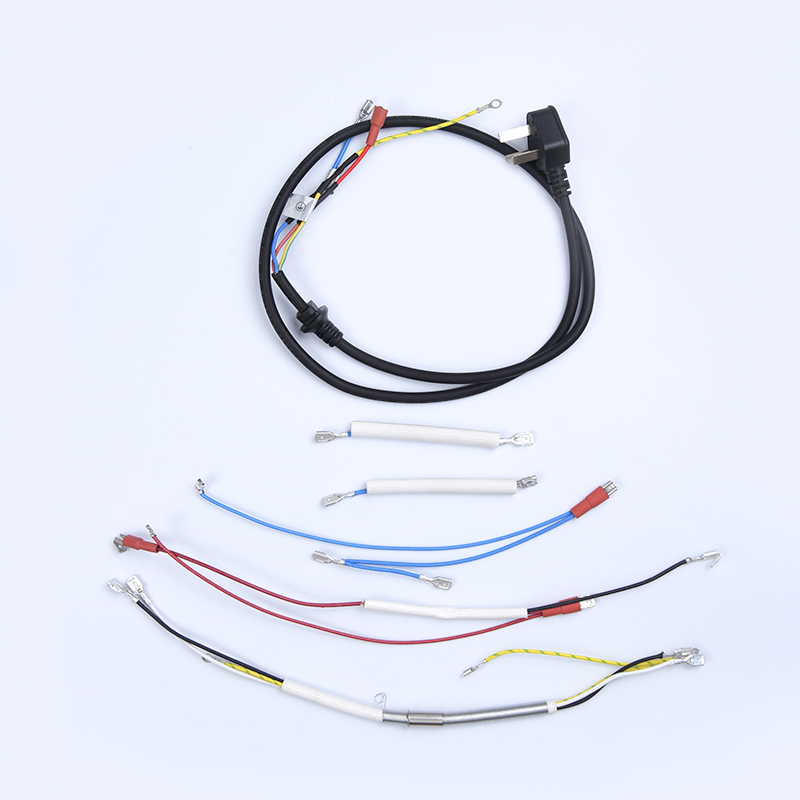
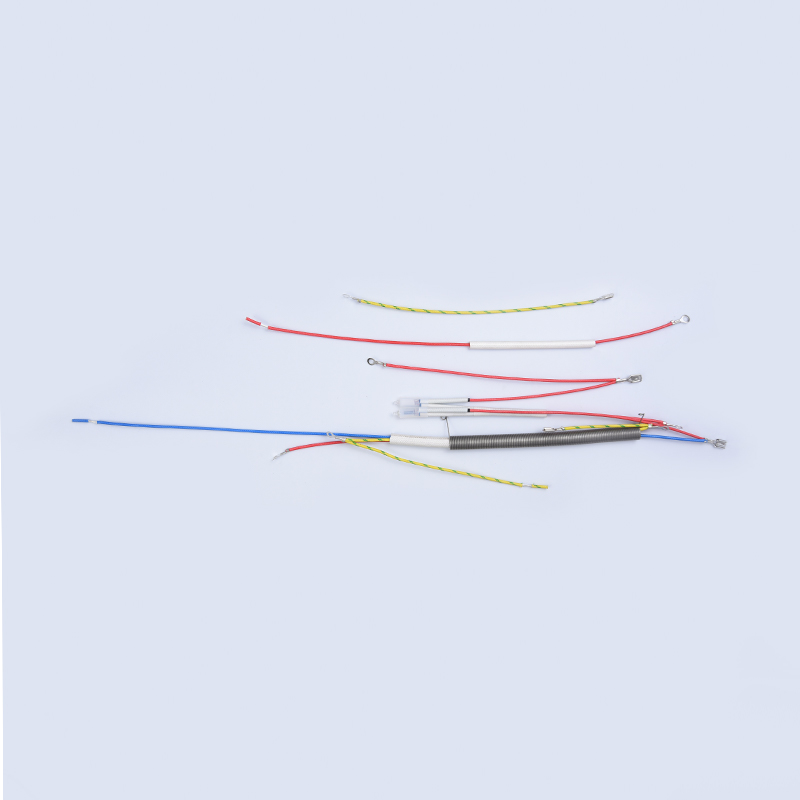
 Kitchen Appliance Wiring Harness RangeBrowse categorized harnesses for sandwich ovens, air fryers, grills, and more to match your appliance type and electrical specs.View Product →
Define Your Electrical Requirements
Once you know the appliance type, list the electrical requirements. What voltage does the product run on? What is the total current draw? Which components need power: heating elements, motors, fans, solenoids? A simple block diagram with each load and its current can give a manufacturer enough information to calculate conductor sizes, fusing, and insulation ratings.
If you have a wiring schematic, share it; if not, a clear list is a good start. Here are the essentials to record:
- Operating voltage, such as 120V AC or 230V AC.
- Every electrical component and its current draw.
- Control functions, such as temperature sensors, switches, or fan-speed controls.
- The number of separate connection points.
These numbers determine the wire gauge, the number of circuits, and the overall wire count. Adding a margin of 20–30% for safety is also wise. For example, a circuit that normally draws 8 amps might justify a wire rated for 10 or 12 amps to reduce heat buildup.
Choose Wire Gauge and Insulation
Wire gauge is a fundamental choice. Too thin, and the wire heats up; too thick, and the harness becomes bulky and expensive. The manufacturer will calculate the minimum conductor size based on current and ambient temperature. For example, a 10-amp heating circuit might use 16 AWG, while a low-current sensor circuit could use 24 AWG.
Insulation is equally important. PVC wire is cost-effective and suitable for general use; silicone-insulated wire resists heat well; and cross-linked polyethylene is tougher against abrasion and moisture. If your appliance has tight bends or moving parts, the strand count and jacket flexibility become relevant. Share your load profile and physical layout with the factory so they can choose the right combination.
Consider the Operating Environment
Temperature and moisture are the two most common reasons for wiring harness failure. A harness inside a deep fryer or electric grill must withstand heat far above room temperature. Insulation materials like silicone or cross-linked polyethylene are often used. In humid or wet locations, sealed connectors and water-resistant jacketing are important.
Also think about vibration, especially in appliances with spinning motors or compressors. Let your supplier know these details so they can recommend the right cable, sleeving, and connector sealing. For a deeper look at environmental-style harnesses, see our environmental electrical wiring harness guide.
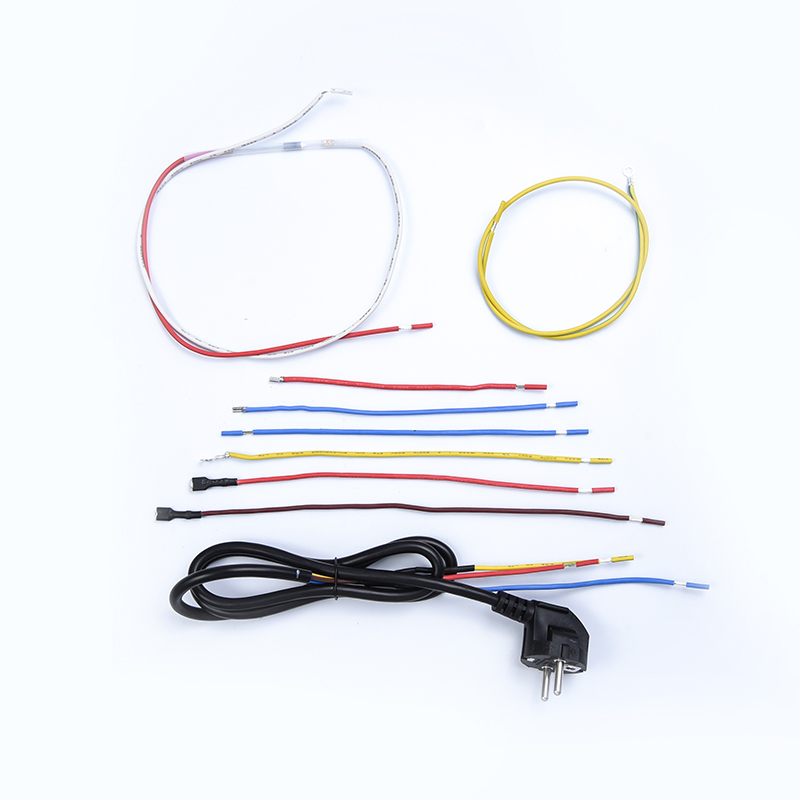
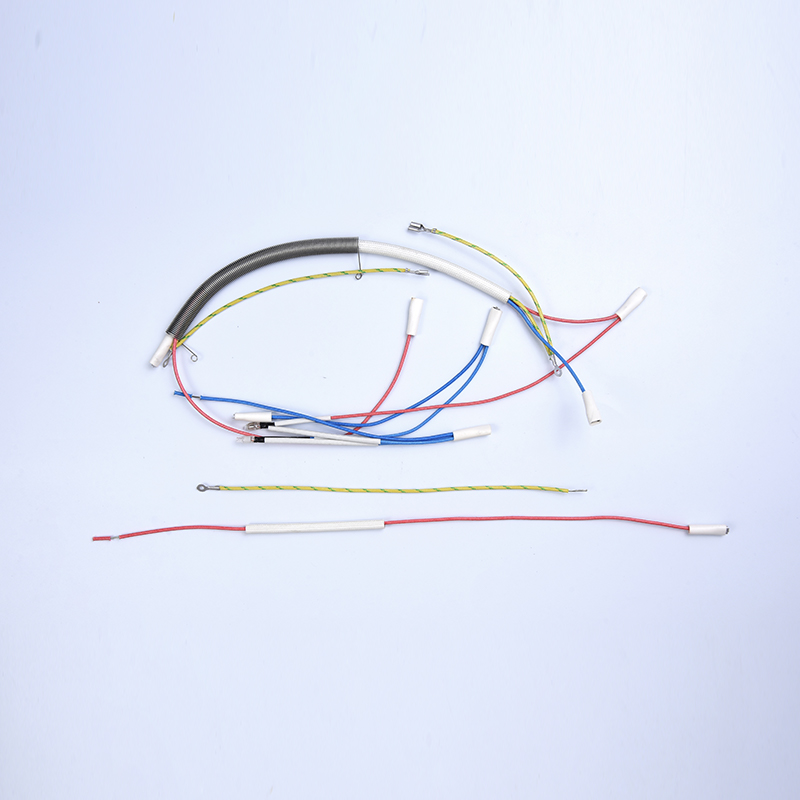
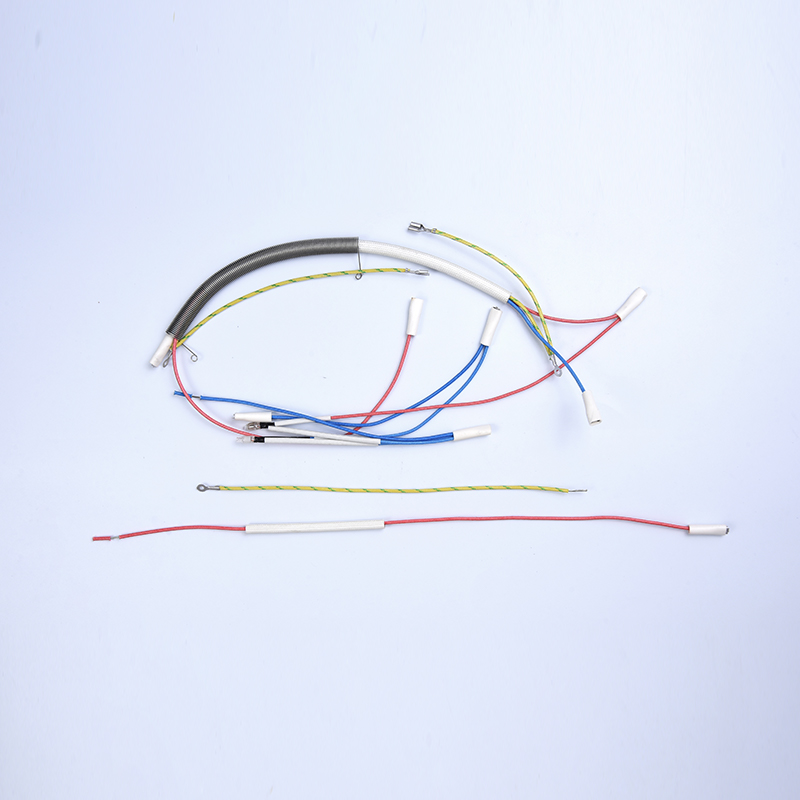
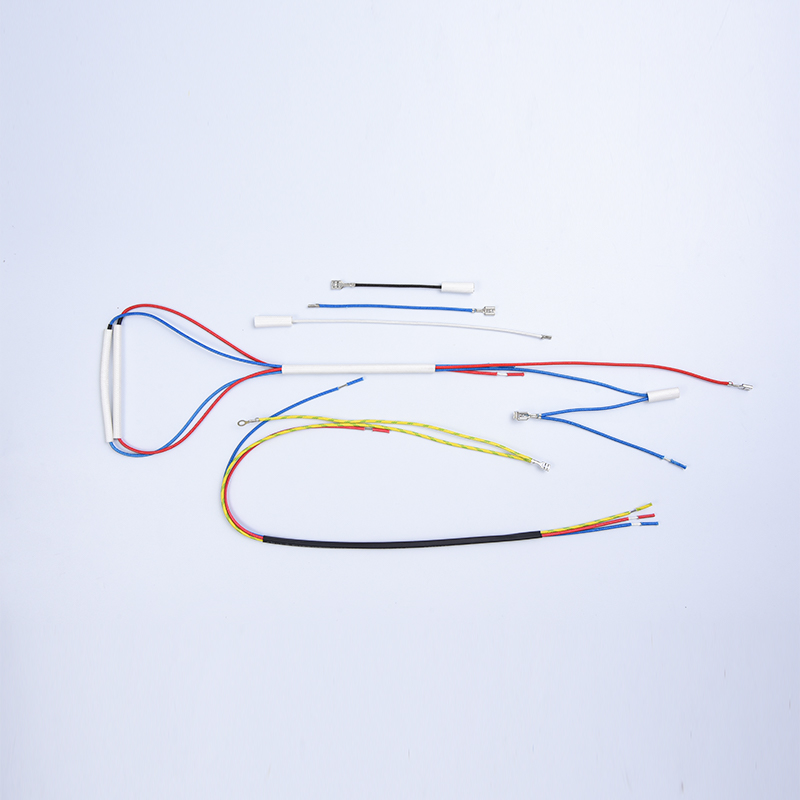 Environmental Electrical Wiring Harness SelectionReview harness options for heaters, washers, coffee machines, and other appliances, with attention to vibration and connectivity needs.View Product →
Match Connectors and Terminals
A wiring harness doesn't exist on its own; it plugs into your control board, power supply, heating elements, and sensors. That means the connectors and terminals must match what your appliance already uses. Check the connector family, pin pitch, current capacity, and whether locking or waterproof connectors are required.
If you don't know the exact part number, send a photo or a sample to the factory. We often identify the correct terminal series by inspection and can suggest compatible parts. In many of our projects, the same wiring harness also connects to an NTC temperature sensor for feedback to the controller. If your appliance tracks temperature, this is a key part of the system.
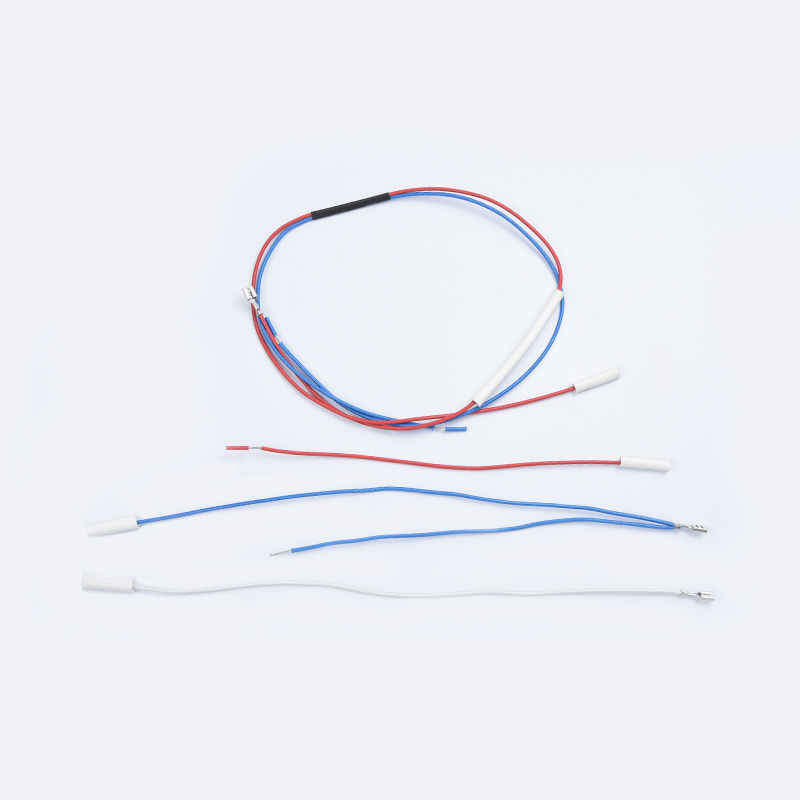
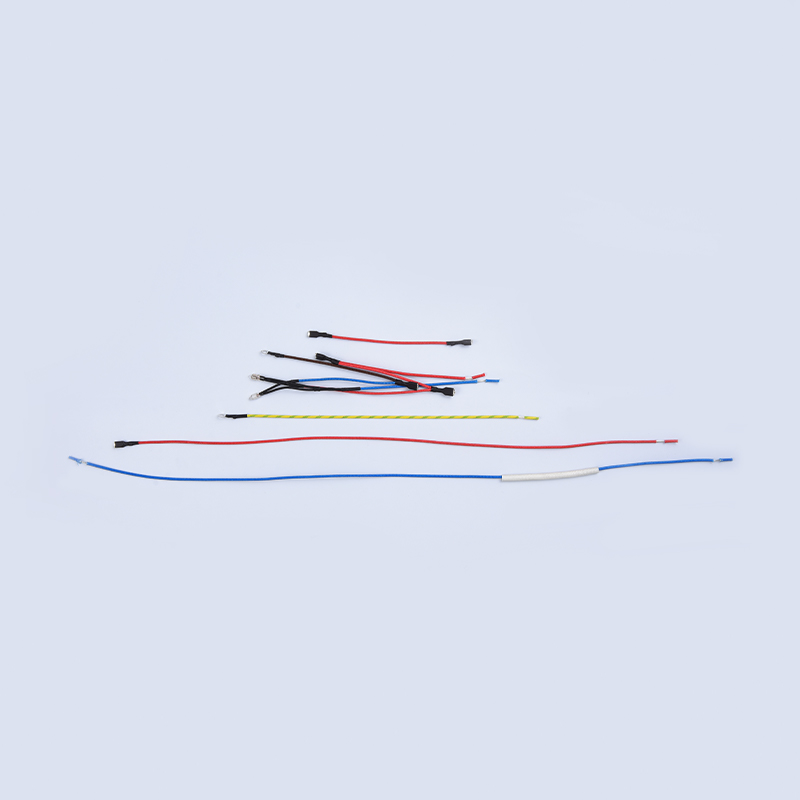
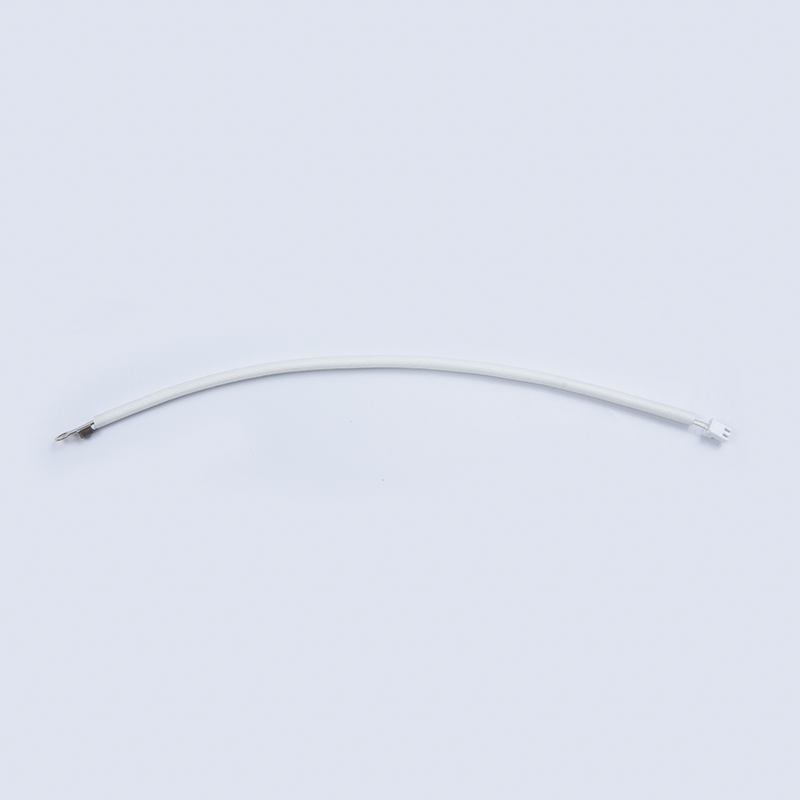 NTC Temperature Sensors for AppliancesExplore sensor variants for many home appliances, ensuring accurate feedback to controllers while meeting regional safety standards.View Product →
Check Certifications and Standards
The market you're selling into will determine which electrical safety standards apply. UL and CSA for North America, CE for Europe, or PSE for Japan, for example. A wire harness that meets these standards may use specific insulation materials, flame ratings, or spacing requirements.
| Market | Typical standard | What it affects |
|---|---|---|
| North America | UL / CSA | Insulation rating, flame resistance, wire size |
| Europe | CE / EN | Low-voltage directive, environmental requirements |
| Asia | PSE / KC / CCC | Rated voltage, plug and connector compliance |
Work with a manufacturer who has experience with your target certifications and can provide the necessary documentation. This saves time later and prevents expensive redesigns. The right harness isn't just electrically correct; it also has to be accepted in your destination market.
Work With a Wiring Harness Manufacturer
When doubt remains, the most direct route is to ask the factory. Tell them what you're building, share your schematic or sample, and let them advise you. A good harness manufacturer will ask about input voltage, operating temperature, connector preferences, and any certification targets. Then they'll produce a sample or a drawing for you to approve before mass production.
Also think about how the harness will be assembled into your product. Mounting clips, strain reliefs, and service loops can make assembly faster and reduce field failures. Marking or keying connectors prevents errors on the production line. These details often come up naturally when a factory sees your product construction.
At our factory in Cixi, we've supported appliance producers with both custom and existing harness designs for kitchens and environmental products alike. If you're still asking "how do I know what wiring harness I need," the answer is usually one conversation away.
In summary, start with your appliance type, define electrical loads, understand the environment, match your connectors, and confirm safety standards. Then contact a manufacturer who can turn those answers into a working harness. By following this process, you'll eliminate guesswork and get a harness that performs reliably in your final product.