+86-0574-63316601


 中文简体
Content
"How much is a wire harness?" is one of the first questions we hear from appliance manufacturers, along with "why do prices vary so much between suppliers?" The honest answer is that there is no single price for a wiring harness. Nearly every harness is designed around a specific appliance, a specific set of functions, and a specific production volume. A simple two-wire harness for an electric kettle and a multi-circuit harness for an air fryer are completely different products, and their prices reflect that.
Since our factory builds wiring harnesses for kitchen and home appliances every day, we see the real numbers behind these questions. This guide explains what a wire harness actually costs, the factors that push a price up or down, and how to get a reliable factory quote without guessing.
Wire Harness Pricing: No Two Harnesses Are the Same
Every appliance has its own electrical layout, and the harness is essentially a custom-made nervous system for that layout. That's why a one-line answer to "how much is a wire harness?" doesn't really exist:
- An electric kettle harness may contain just two or three wires, a few terminals, and one simple connector.
- A coffee machine or washing machine harness often needs many circuits, multiple connectors, and moisture-resistant insulation.
- A high-power appliance such as an air conditioner or electric water heater may require heavier-gauge wire, thermal protection, and more demanding safety testing.
That's why comparing suppliers by unit price alone is rarely useful. The cheapest quote in your inbox might look attractive today, but if the harness fails in the field, the cost of returns and warranty repairs will quickly exceed any saving. A harness that is designed and built carefully may cost a little more per piece — and save you far more over the life of your production.
If you're dealing with an existing product rather than a new build, the cost picture changes. Our guide to how much it costs to replace a wiring harness covers the repair and replacement side of the question.
Typical Wire Harness Prices at a Glance
To give you a rough starting point, here are typical per-unit price ranges for common household appliance wire harness categories. These figures assume mid-volume orders in the thousands of pieces; your exact specification will move the number up or down.
| Wire Harness Type | Typical Unit Price (USD) | Example Applications |
|---|---|---|
| Simple two- to four-wire harness | $1.50 – $5.00 | Electric kettle, electric iron, small heater |
| Standard appliance harness | $4.00 – $12.00 | Coffee machine, deep fryer, electric oven |
| Multi-function harness | $8.00 – $20.00 | Air fryer, washing machine, garment steamer |
| Heavy-duty / high-current harness | $15.00 – $40.00 | Air conditioner, electric water heater |
Think of the table as a map rather than a price list. The same appliance family can sit at very different price points depending on the features included, which brings us to the factors that really decide the cost.
Key Factors That Decide Wire Harness Cost
1. Materials and Copper Content
The largest share of most wire harness prices is raw material. Copper is the conductor of choice in appliance wiring, and its market price directly affects every quote. Wire gauge also matters: heavier wires for high-current appliances cost more per meter.
2. Number of Circuits and Wire Length
The more functions a circuit must support, the more pins and conductors you need. And the longer each wire is, the more copper, insulation, and handling time goes into one harness. This is often where "how much is a wire harness?" gets answered — a 30-centimeter simple harness and a 2-meter multi-branch harness are completely different products.
3. Connectors and Terminals
Connectors are frequently the most costly single component in an appliance harness. Branded series connectors, locking housings, gold-plated contacts, and waterproof connectors all add to the cost but improve reliability in demanding environments. Some connectors also require special crimping tools and qualified suppliers, which is reflected in the final price.
4. Protective and Structural Components
Heat-shrink tubing, spiral wrap, braided sleeving, rubber grommets, and overmolded strain reliefs all add cost. They also extend service life and prevent cable damage, especially in appliances that vibrate, heat up, or get moved around frequently.
5. Custom Tooling and Samples
If your harness uses a non-standard connector or an unusual terminal, the factory may need to create tooling or a custom mold. Those one-time costs are usually quoted separately or amortized across your first order, so they affect the per-unit price while the volume is small.
6. Certification, Testing, and Quality Controls
Spark testing, insulation resistance checks, withstand voltage testing, and pull-out force verification all happen on qualified productions — and they take time. If you need UL, CE, or RoHS compliance, the certificates, testing, and documentation are part of the price. This is one of the main reasons a certified wire harness costs more than an uncertified equivalent.
7. Order Volume
Volume is the quickest way to bring unit cost down. A one-time 500-piece order carries a much higher per-unit cost than a 50,000-piece annual program, because setup, testing, and production engineering can be spread across more units.
Factory Examples: Kitchen and Environmental Appliance Harnesses
Inside a wire harness factory, different appliance families follow different cost patterns. Kitchen appliances such as air fryers, electric ovens, and deep fryers need heat-resistant insulation and crimps that hold up under repeated cooking cycles. Environmental appliances, including coffee machines, washing machines, and water heaters, tend to push complexity in other directions: more switches, more sensors, or exposed wiring that must survive moisture.
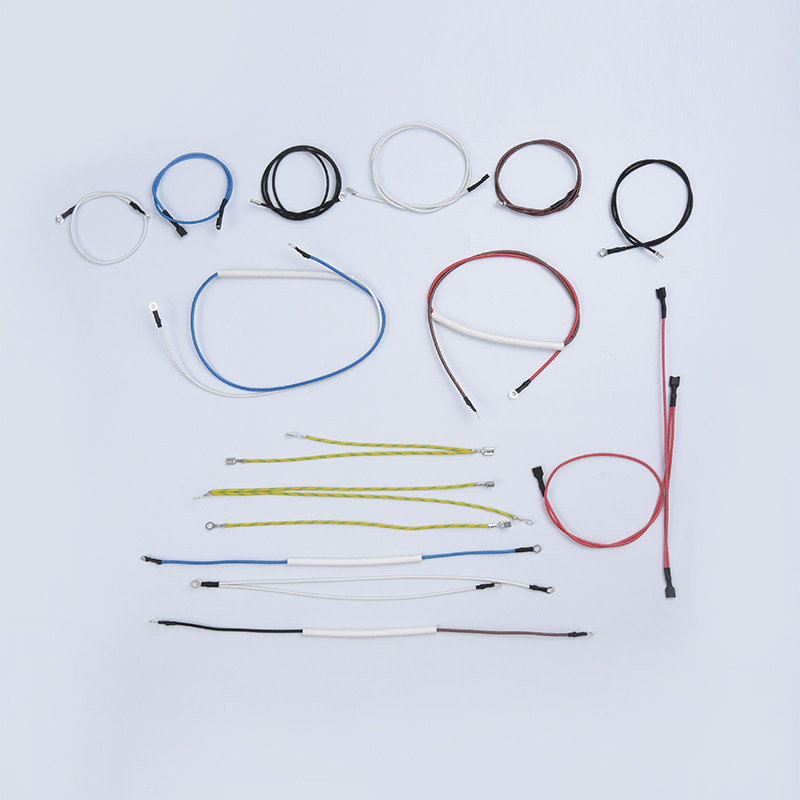 Air Fryer Wiring Harness Range for Reliable Kitchen AppliancesExplore a full range of air fryer harnesses designed for heat resistance and steady connections, backed by certified manufacturing expertise.View Product →
An air fryer harness, for example, connects the power supply, the heating element, and the temperature sensing circuit in a relatively tight space. The harness needs to sit neatly, resist heat, and keep its connection steady over thousands of cycles. That level of design care is exactly what moves the product from the lower section of the price table toward the middle.
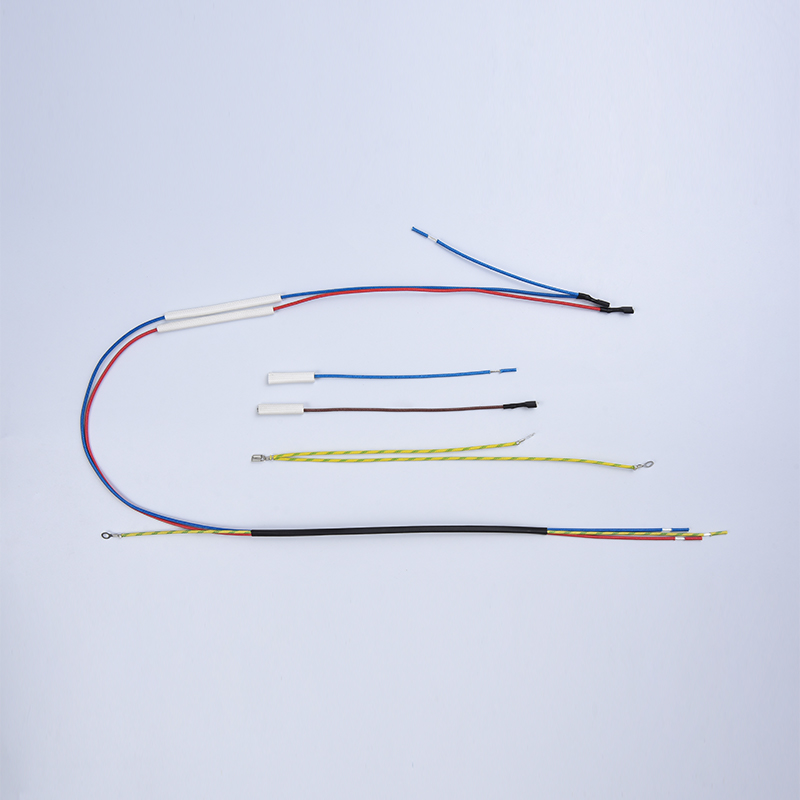 Coffee Machine Wiring Harnesses Built for Moisture and LoadFind coffee machine harnesses engineered for stable current, temperature control, and steam pressure, ensuring long-term appliance reliability.View Product →
On the environmental side, a coffee machine harness often deals with water, steam, and repeated on-and-off load from pumps and heaters. A small difference in connector quality or wire insulation can mean the difference between a machine that performs reliably for years and one that returns under warranty. That long-term view is part of every quote we give.
How to Get an Accurate Wire Harness Quote
After reading the factors above, you may already see that "how much is a wire harness?" is best answered with good information. The more detail you provide, the more accurate and useful your quote will be.
- Share a drawing, sample, or sketch — even a rough one. It helps the factory understand the routing, connector positions, and overall structure.
- Describe the electrical environment — rated voltage and current, operating temperatures, and whether the harness will be exposed to moisture, vibration, or heat.
- List connector and terminal requirements — brand and model if you already have them, plus any mating connector interface.
- Specify safety and compliance standards — UL, CE, RoHS, or in-house test requirements.
- Indicate your target volume — annual quantity, expected order sizes, and your production schedule. This directly affects the unit price.
- Ask about the options — a good factory will point out material upgrades or cost-saving alternatives before you finalize the design.
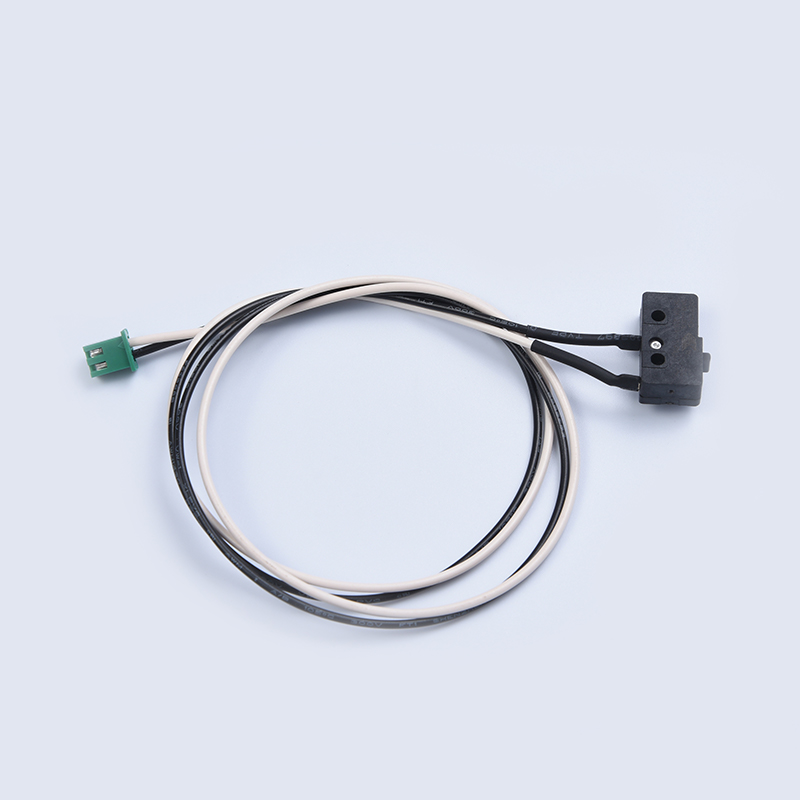 Washing Machine Wiring Harness with Vibration and Moisture ResistanceThis harness connects power, motor, and sensors with high-temperature resistance and waterproofing, improving washing machine operational stability.View Product →
For a multi-circuit appliance such as a washing machine, the wiring layout is where most of the engineering time goes. Once the layout is clear, the costing becomes straightforward, and the factory can give you a realistic number instead of a guess.
It also helps to understand the difference between a cable assembly and a wire harness, because the two terms are often mixed up — and they carry different cost structures. Our comparison of cable assembly vs wire harness explains the distinction clearly.
So, How Much Is a Wire Harness?
The honest answer: a wire harness costs whatever your design needs it to cost. A simple appliance harness can be just a couple of dollars, while a complex, high-current assembly built to strict safety standards can reach the tens of dollars range. What matters most is that the price reflects the right materials, the right engineering, and the right testing for your product.
At our factory, we help appliance manufacturers answer this question every working day. Send us your product type, your electrical requirements, and your expected volume, and we will show you exactly where the cost goes — and where it can be optimized. The price of a wire harness is not a mystery; it is simply the result of a well-designed specification.