+86-0574-63316601


 中文简体
中文简体Content
What Is an Air Conditioning Wiring Harness?
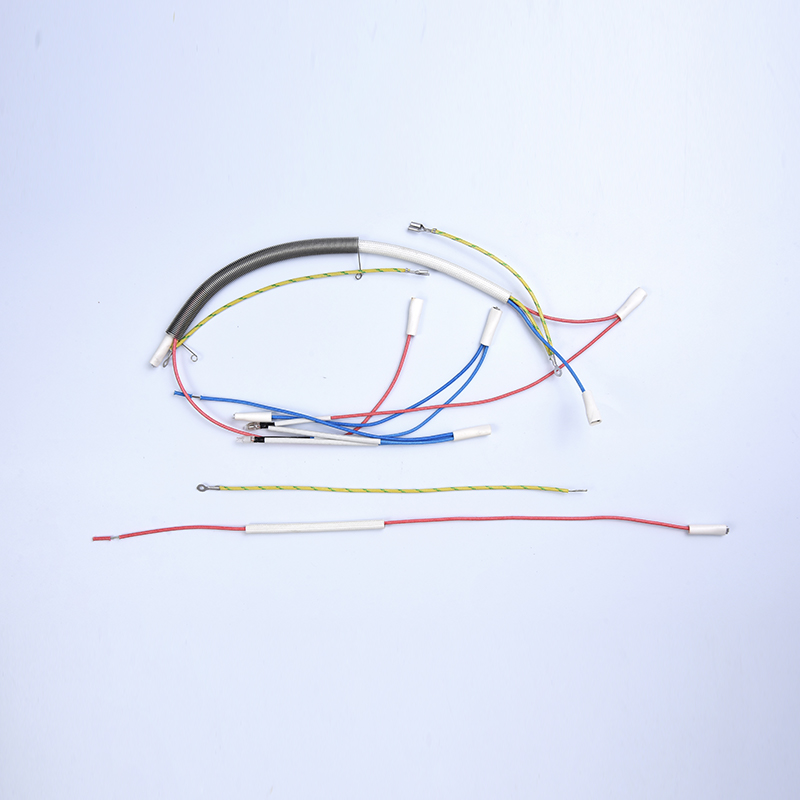
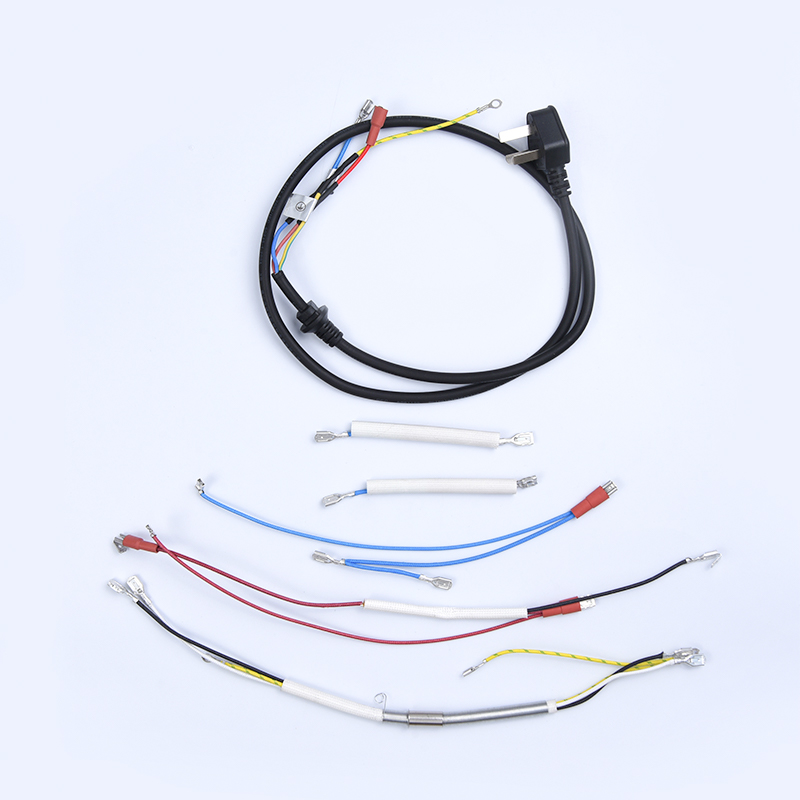
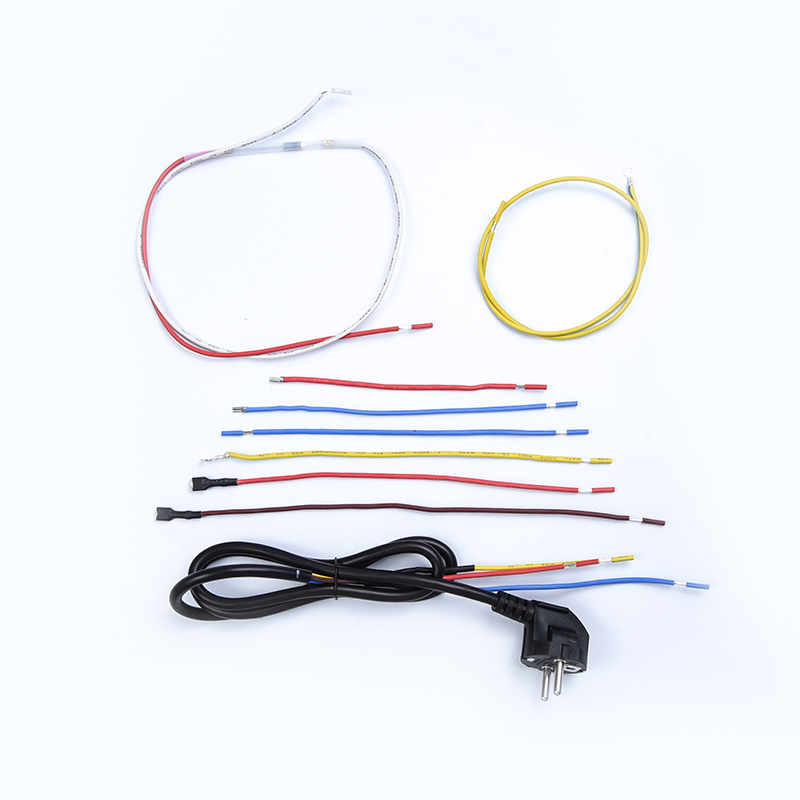
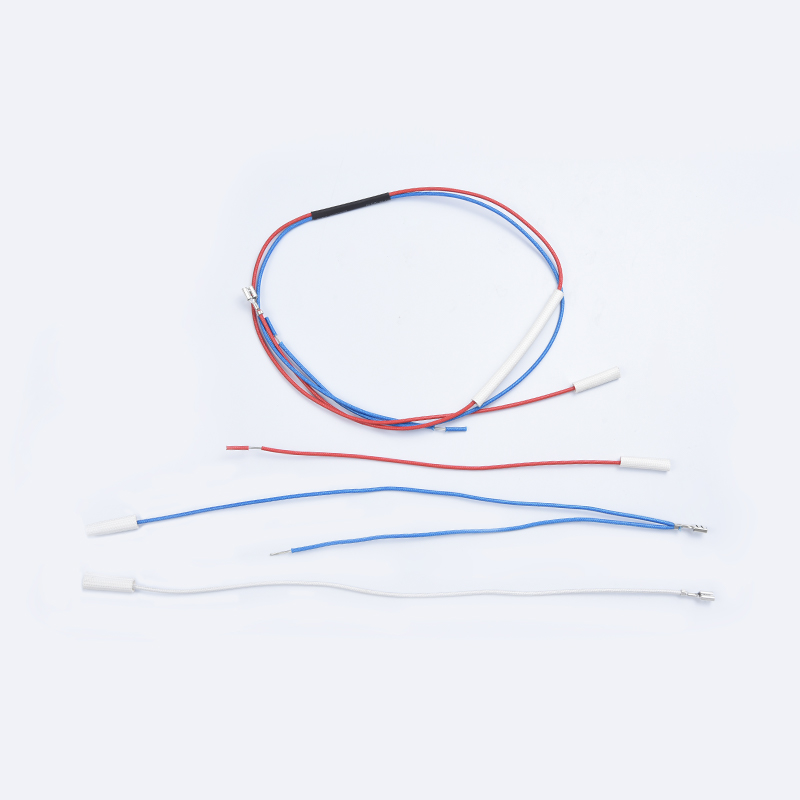
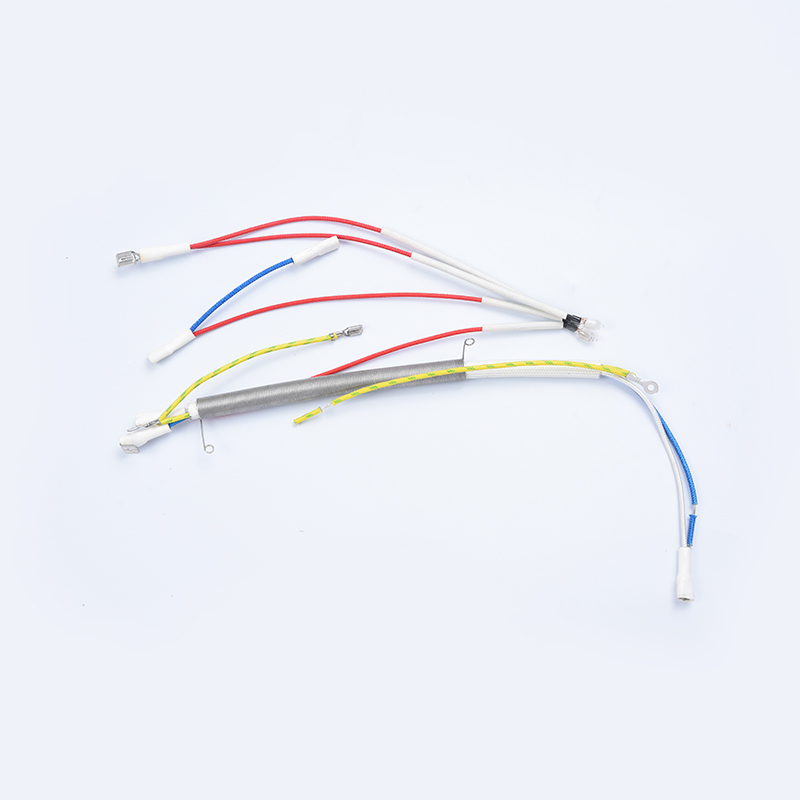
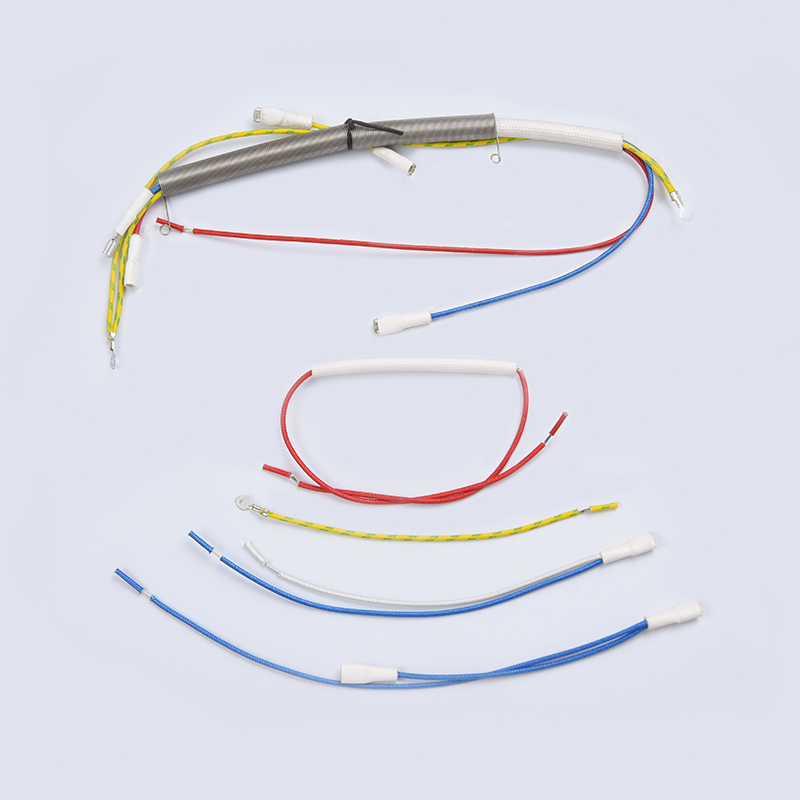
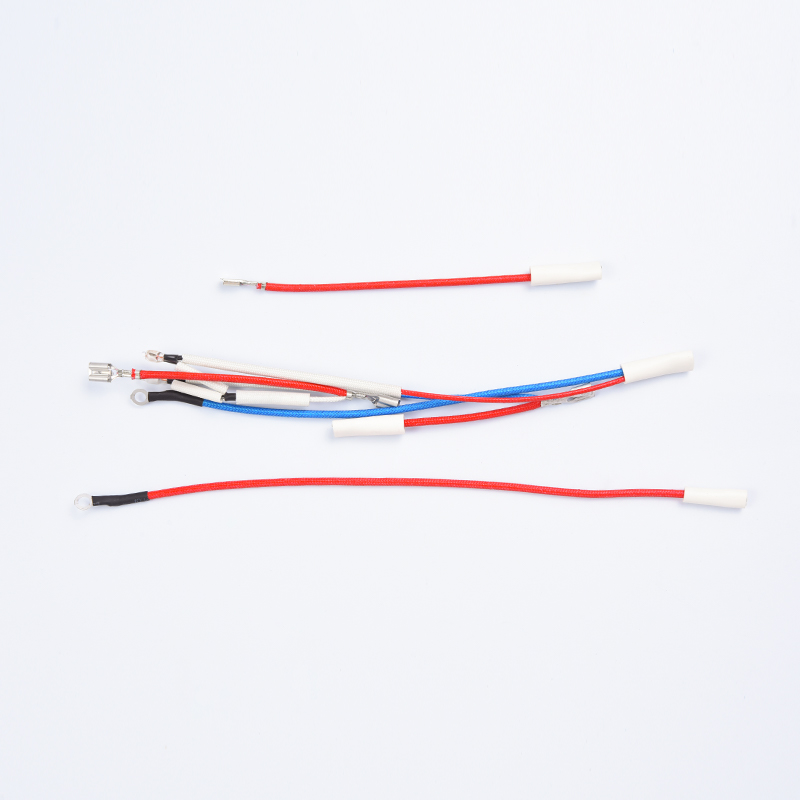
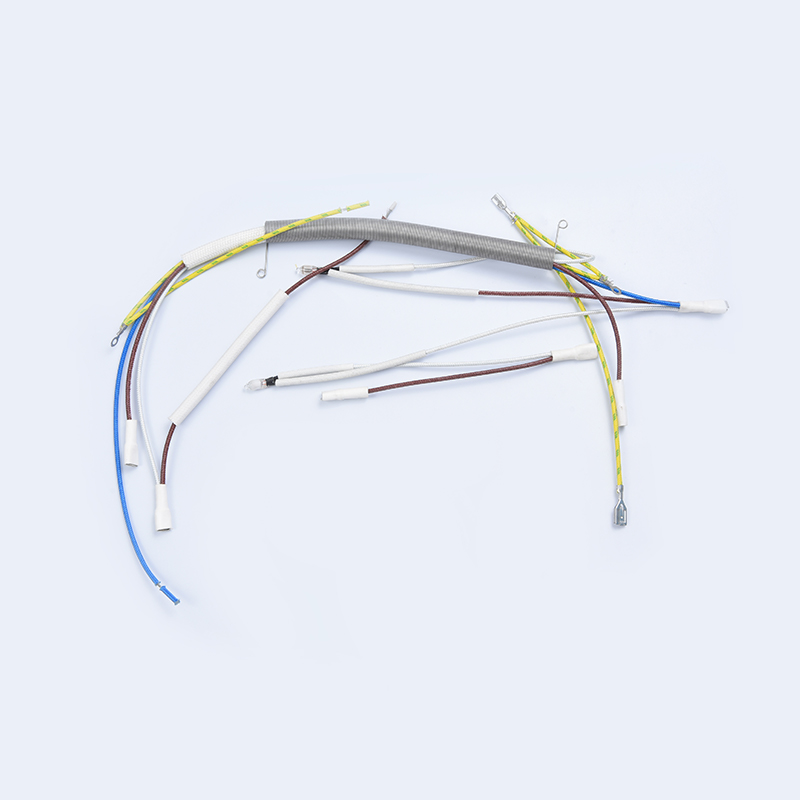
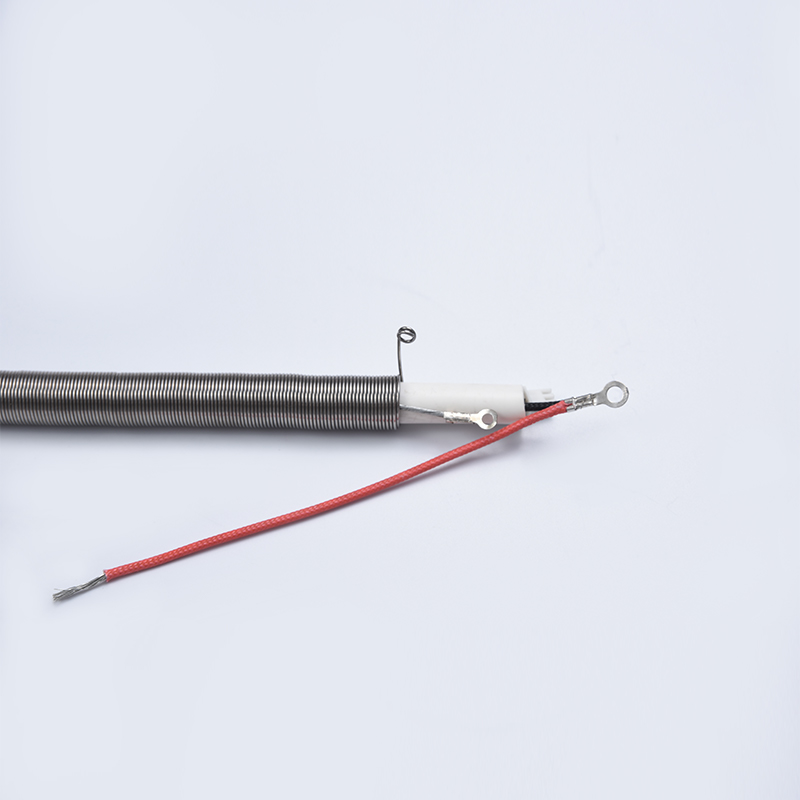
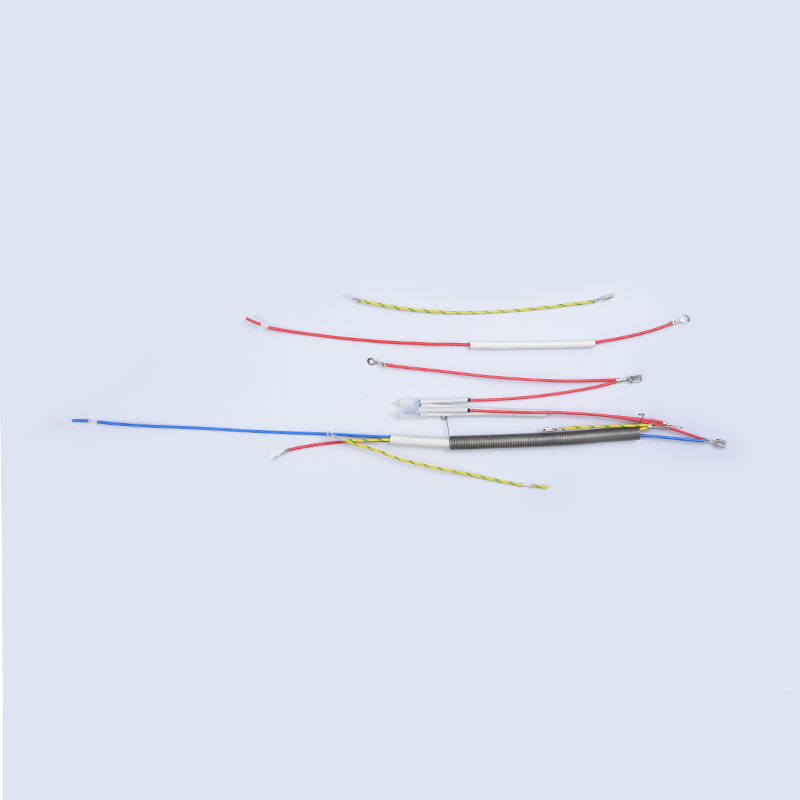
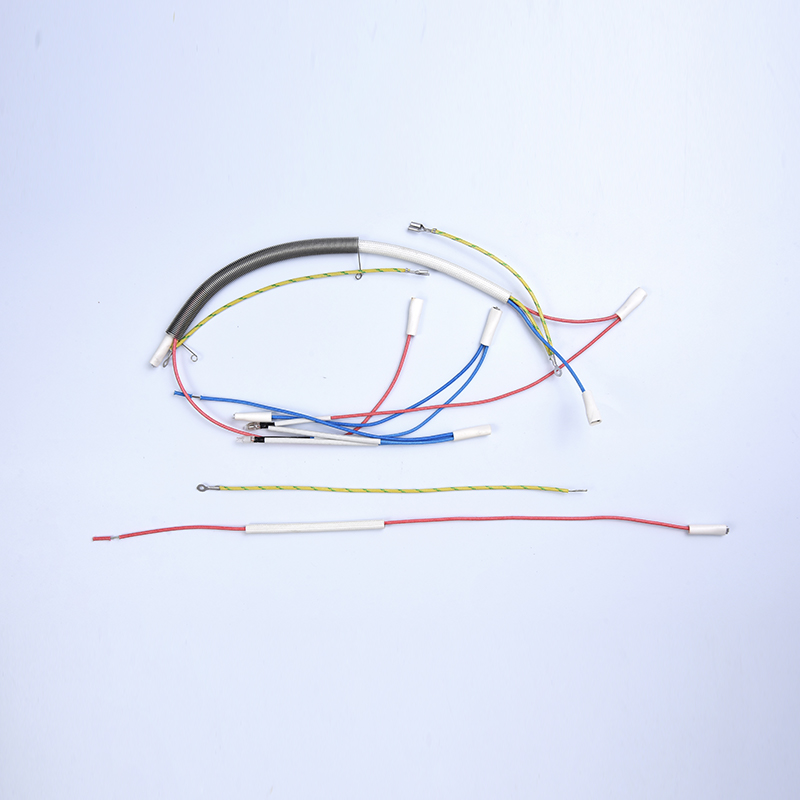
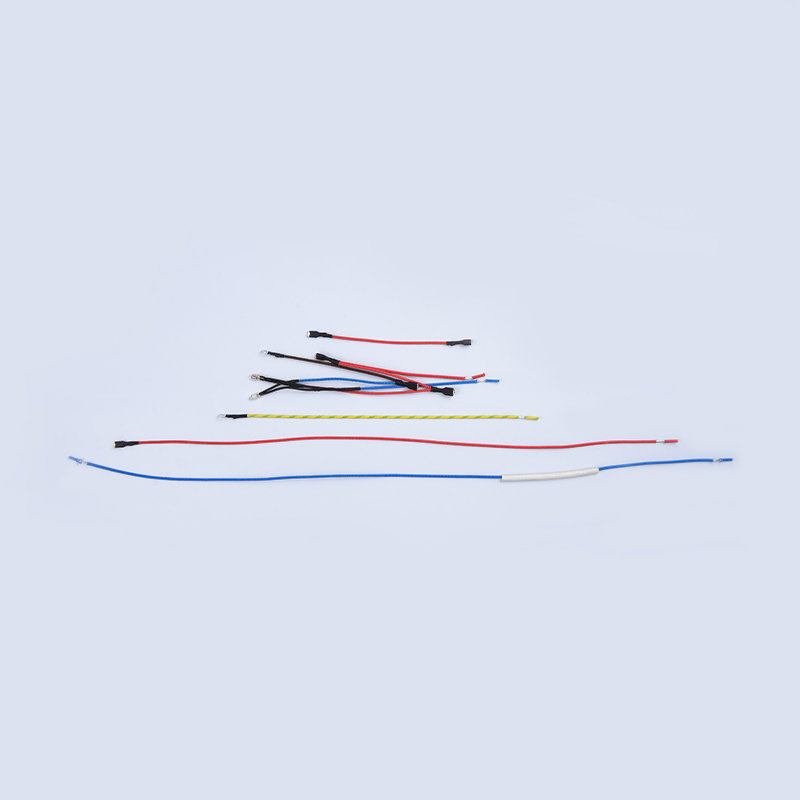
An air conditioning wiring harness is the bundled set of electrical wires, connectors, and terminals that delivers power and control signals between the AC compressor, condenser fan, blower motor, relays, sensors, and the control module. In short, it is the nervous system of the cooling system: if the harness fails, the compressor cannot engage and the system stops cooling, even if the refrigerant charge and mechanical components are perfectly fine.
Most harnesses use color-coded, gauge-specific wires wrapped in protective loom or conduit to resist heat, vibration, and moisture. In automotive systems, the harness typically routes from the engine bay to the dashboard HVAC controls; in residential and commercial HVAC units, it connects the outdoor condenser, indoor air handler, thermostat, and capacitor.
Key Components Inside the Harness
A typical AC wiring harness is not a single wire but a coordinated assembly. Understanding the parts helps when diagnosing a fault.
| Component | Function |
|---|---|
| Compressor connector | Sends power signal to engage the AC clutch or inverter compressor |
| Fan motor leads | Powers condenser or blower fan motors |
| Pressure sensor wires | Relays refrigerant pressure data to the control module |
| Relay/fuse connectors | Protects circuits and switches high-current loads |
| Ground wires | Completes the circuit and prevents voltage spikes |
Signs of a Failing Wiring Harness
Wiring harness damage often mimics other AC problems, which leads to misdiagnosis. Up to 20% of AC "no-cool" complaints trace back to electrical faults rather than refrigerant issues, according to common HVAC and automotive service data. Watch for these symptoms:
- AC compressor does not engage when the system is turned on
- Intermittent cooling that cuts out over bumps or vibration (automotive)
- Blower fan runs but the compressor stays off
- Burning smell or visible melted plastic near connectors
- Repeated blown fuses for the AC circuit
- Warning light or fault code referencing compressor circuit or sensor signal loss
Common Causes of Harness Damage
Heat and Vibration
Engine bays and outdoor condenser units expose harnesses to constant heat cycling and mechanical vibration, which gradually cracks insulation and loosens crimped terminals.
Rodent Damage
Rodents are attracted to the soy-based insulation used in many modern harnesses. Chewed wiring is one of the leading causes of unexplained AC compressor failure in vehicles parked outdoors or in garages.
Corrosion and Moisture Intrusion
Outdoor HVAC units are particularly vulnerable to moisture entering connector housings, causing corrosion that increases resistance and eventually breaks the circuit.
Poor Installation or Repairs
Pinched wires from previous repairs, incorrect gauge replacement wire, or loose connectors are common after aftermarket service work.
How to Diagnose a Wiring Harness Problem
A systematic approach saves time and avoids unnecessary part replacement. Follow these steps:
- Visually inspect the harness for melted insulation, chew marks, or frayed sections
- Check all connectors for corrosion, looseness, or bent pins
- Use a multimeter to test continuity along suspect wire runs
- Test voltage at the compressor connector with the AC switched on
- Scan for fault codes if the system has an electronic control module
- Wiggle-test the harness while monitoring for intermittent signal drops
A continuity reading above 5 ohms on a wire designed for near-zero resistance usually indicates a damaged or corroded section that needs repair or replacement.
Repair vs. Full Harness Replacement
Not every fault requires a full harness swap. The right choice depends on the extent and location of the damage.
| Damage Type | Recommended Action | Typical Cost Range |
|---|---|---|
| Single broken wire or connector | Splice repair with heat-shrink connectors | $50–$150 |
| Localized rodent chew damage | Section repair with matching gauge wire | $100–$300 |
| Widespread melted or brittle insulation | Full harness replacement | $250–$800 |
| Harness with integrated control module damage | OEM harness and module replacement | $400–$1,200 |
As a general rule, if more than two separate sections of the same harness show damage, full replacement is more reliable and often cheaper than multiple individual repairs over time.
Preventing Future Wiring Harness Failures
Prevention is far cheaper than repeated repairs. Practical steps include:
- Apply rodent-deterrent tape or capsaicin-based wire coating in vulnerable areas
- Secure loose harness sections with zip ties or factory clips to reduce vibration wear
- Apply dielectric grease to outdoor connectors to resist corrosion
- Schedule annual inspection of the harness during routine AC servicing
- Address small connector issues immediately rather than waiting for full failure
Routine inspection during seasonal AC checkups catches early-stage wear before it causes a complete cooling outage, saving on emergency repair costs and downtime.
When to Call a Professional
DIY testing with a multimeter is reasonable for basic continuity checks, but harness work involving the control module, high-voltage compressor circuits, or integrated sensor wiring should be left to a qualified technician. Incorrect wiring repairs can damage the compressor or control module, turning a low-cost fix into an expensive replacement. If diagnostic steps point to a harness issue but the exact location is unclear, a professional with a wiring diagram and proper test equipment will isolate the fault faster and more safely.