+86-0574-63316601


 中文简体
中文简体Content
- 1 What Is a Wiring Harness?
- 2 Kitchen Appliance Wiring Harness: Function, Design, and Requirements
- 3 Environmental Electrical Wiring Harness: Built for Harsh Conditions
- 4 Key Differences Between Kitchen and Environmental Wiring Harnesses
- 5 How Wiring Harnesses Are Manufactured
- 6 Selecting the Right Wiring Harness: What to Specify
- 7 Signs That a Wiring Harness Needs Replacement
A wiring harness is an organized assembly of wires, cables, and connectors bound together to transmit electrical power or signals through a system. Rather than running individual wires separately, a harness bundles them into a single, manageable unit that improves safety, reduces installation time, and minimizes electrical faults. In kitchen appliances, harnesses manage power distribution across heating elements, motors, and controls. In environmental systems, they must also withstand moisture, chemicals, UV exposure, and extreme temperatures. Understanding what a wiring harness is — and which type fits your application — is the starting point for any reliable electrical design.
What Is a Wiring Harness?
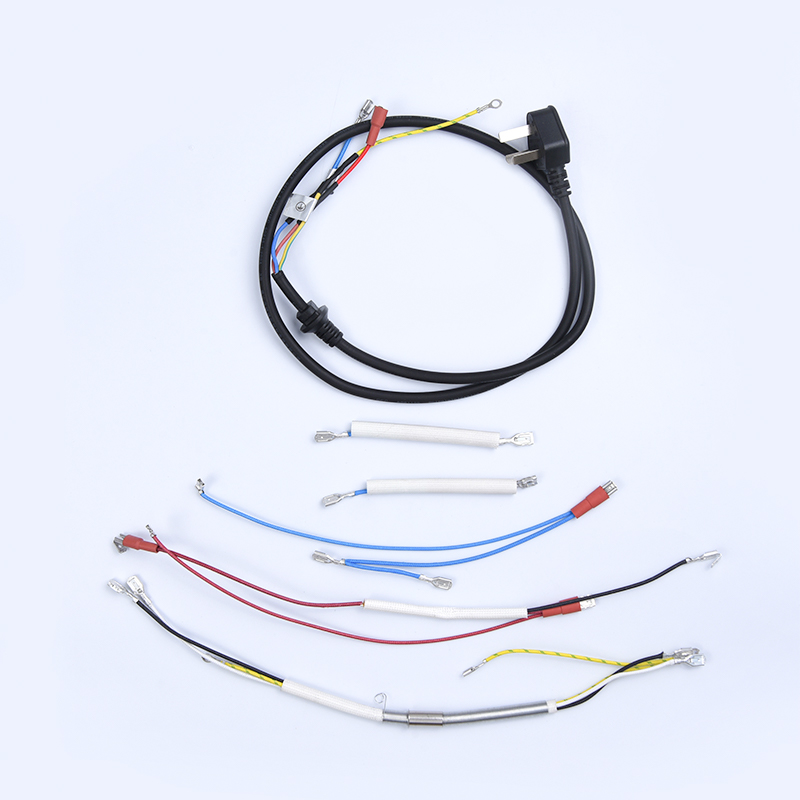
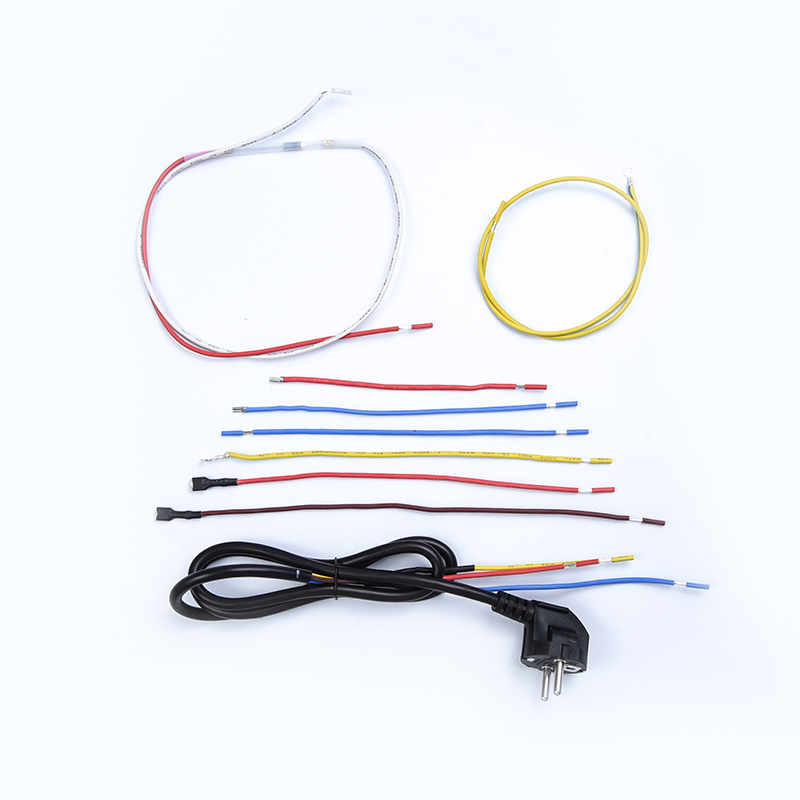
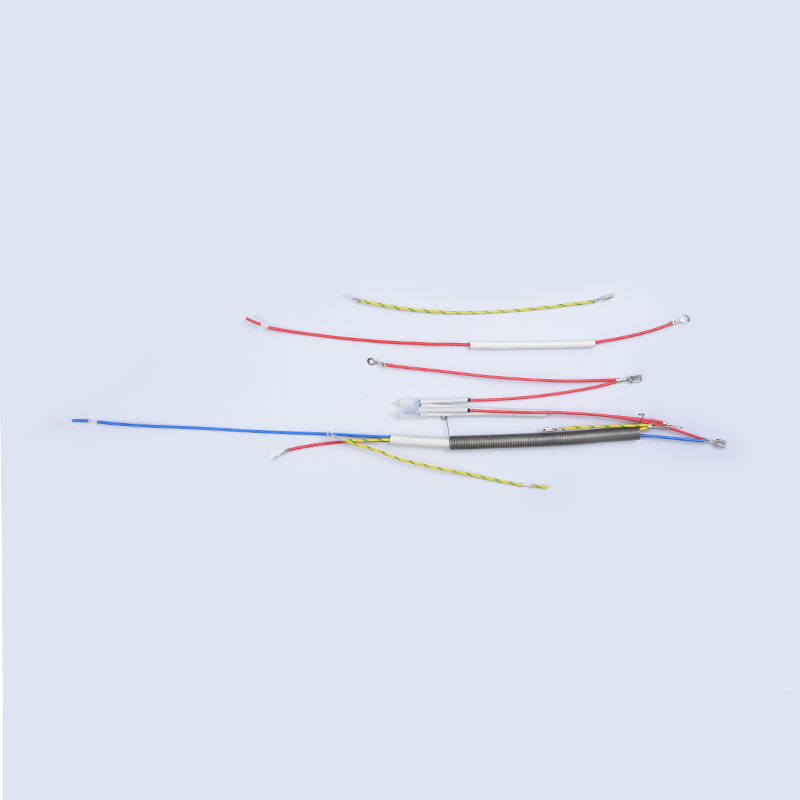
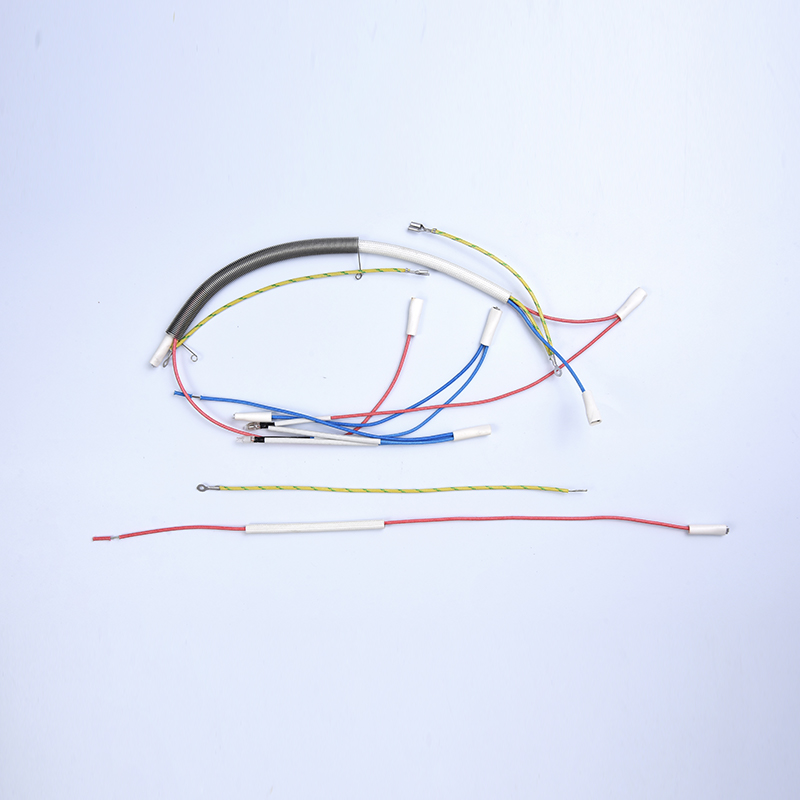
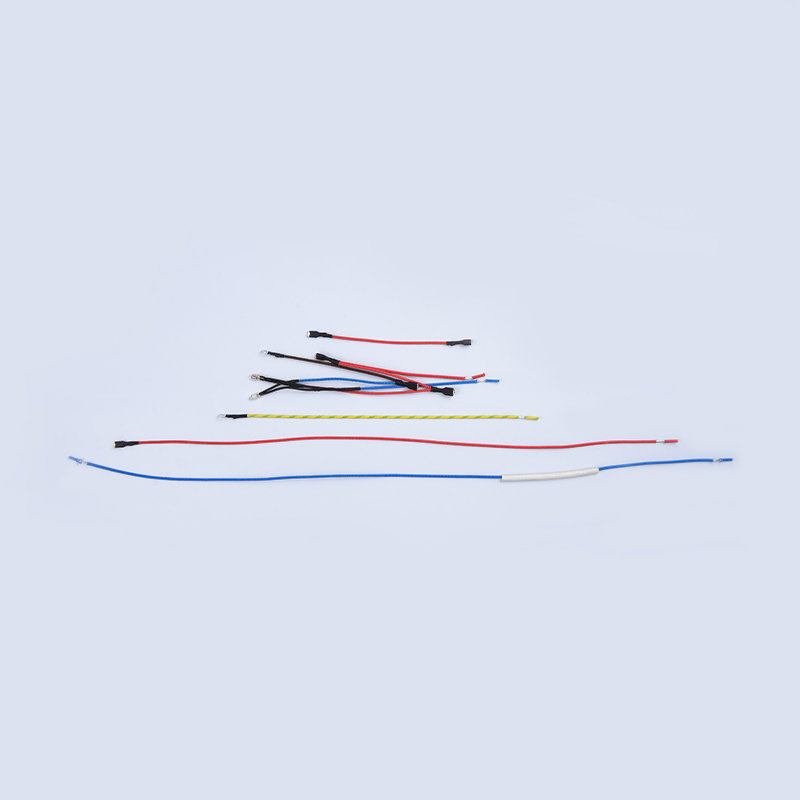
A wiring harness — also called a cable harness or wire loom — is a structured system of electrical conductors enclosed in a protective outer sheath, terminated with connectors at each end. It functions as the nervous system of any electrically powered device, routing current and signals to exactly where they are needed with minimal risk of short circuit, chafing, or misrouting.
The global wiring harness market was valued at approximately $68 billion in 2023 and is projected to exceed $100 billion by 2030, driven by growth in appliances, automotive electronics, and industrial automation. This scale reflects how fundamental harnesses are to modern electrical engineering.
Core Components of a Wiring Harness
- Conductors: Copper or aluminum wires sized to carry the required current without overheating.
- Insulation: PVC, XLPE, silicone, or TPE jackets that protect against electrical leakage and environmental damage.
- Connectors and terminals: Crimped or soldered endpoints that mate with corresponding receptacles on circuit boards, motors, or power supplies.
- Protective sleeving: Braided loom, corrugated conduit, heat-shrink tubing, or tape wrapping to bundle and protect wires.
- Strain relief: Clamps or grommets that prevent mechanical stress from transmitting to the electrical connections.
How a Wiring Harness Differs from Loose Wiring
In loose wiring installations, each wire is routed individually — increasing the risk of crossed connections, chafing against sharp edges, and longer assembly times. A wiring harness pre-routes and pre-terminates all wires in a controlled factory environment, reducing assembly errors by up to 75% compared to field wiring, according to industry manufacturing studies.
Kitchen Appliance Wiring Harness: Function, Design, and Requirements
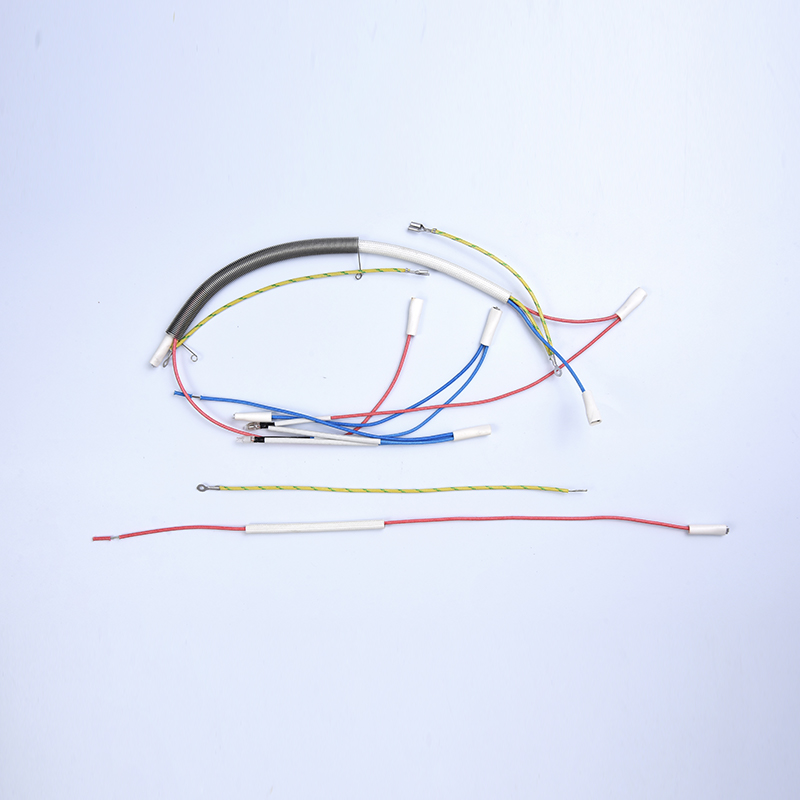
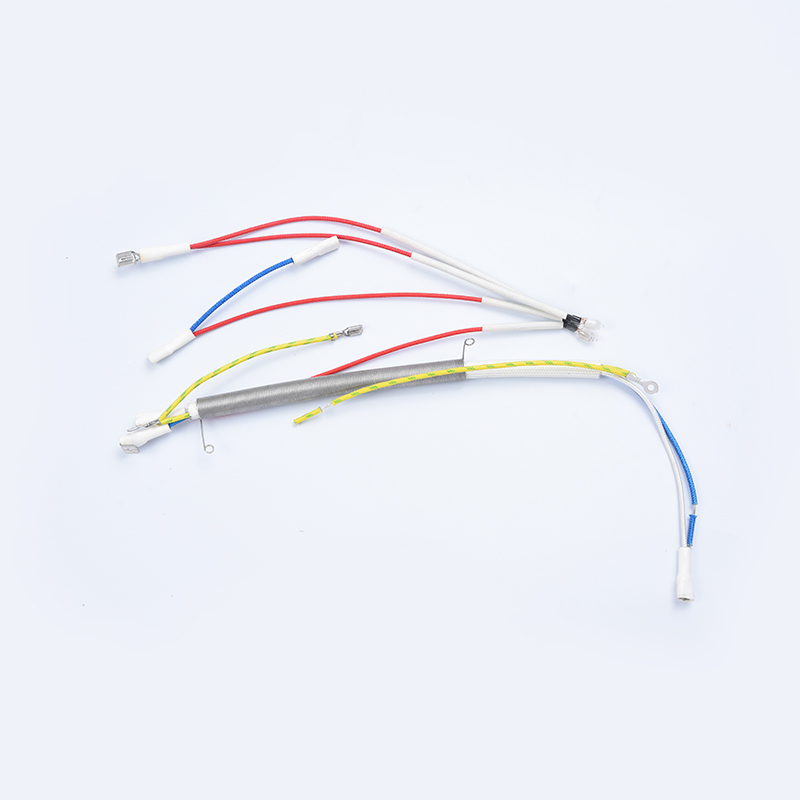
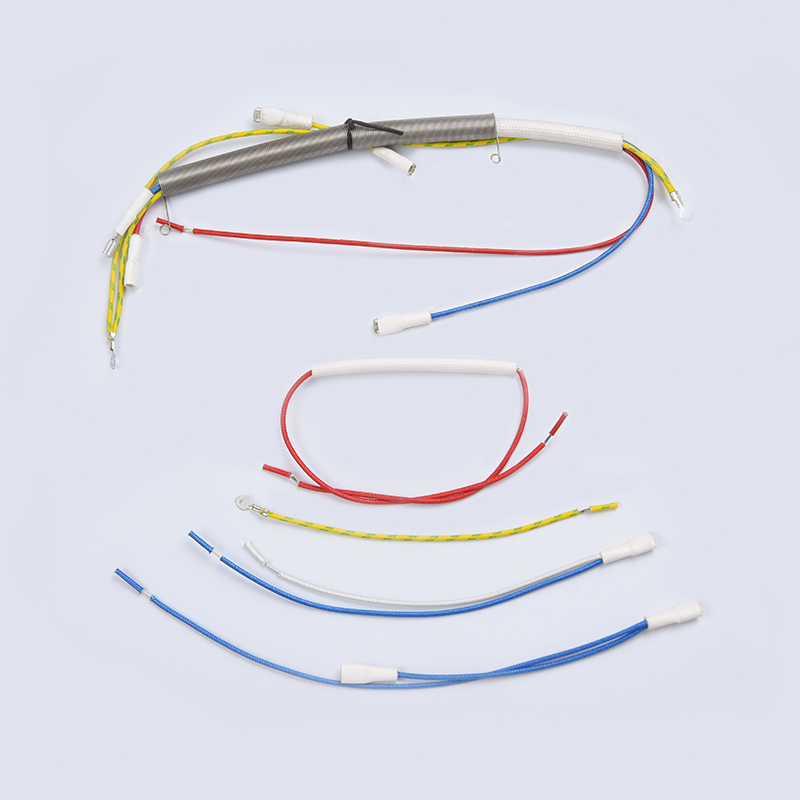
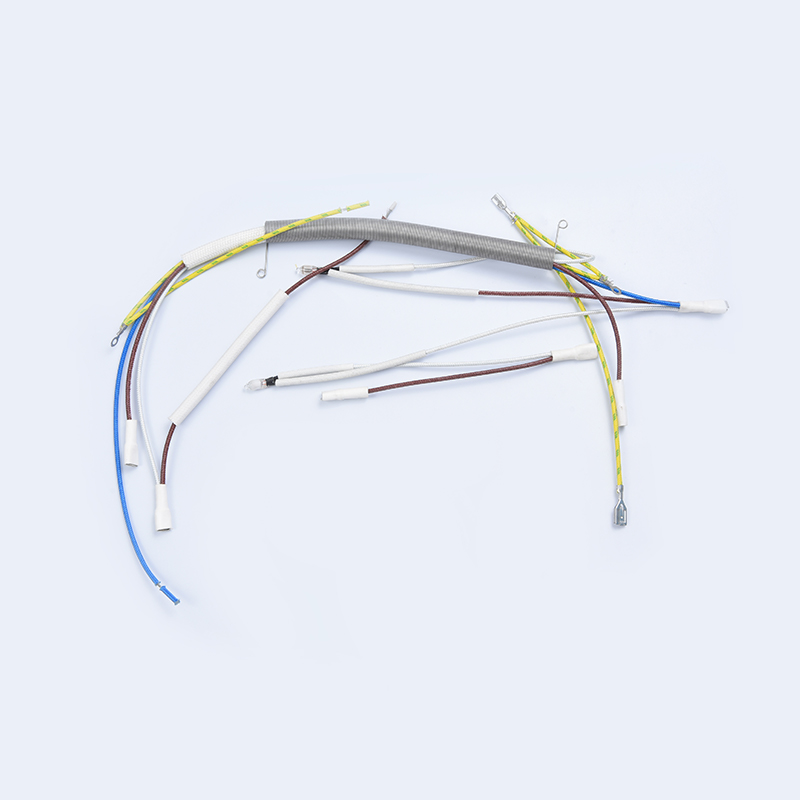
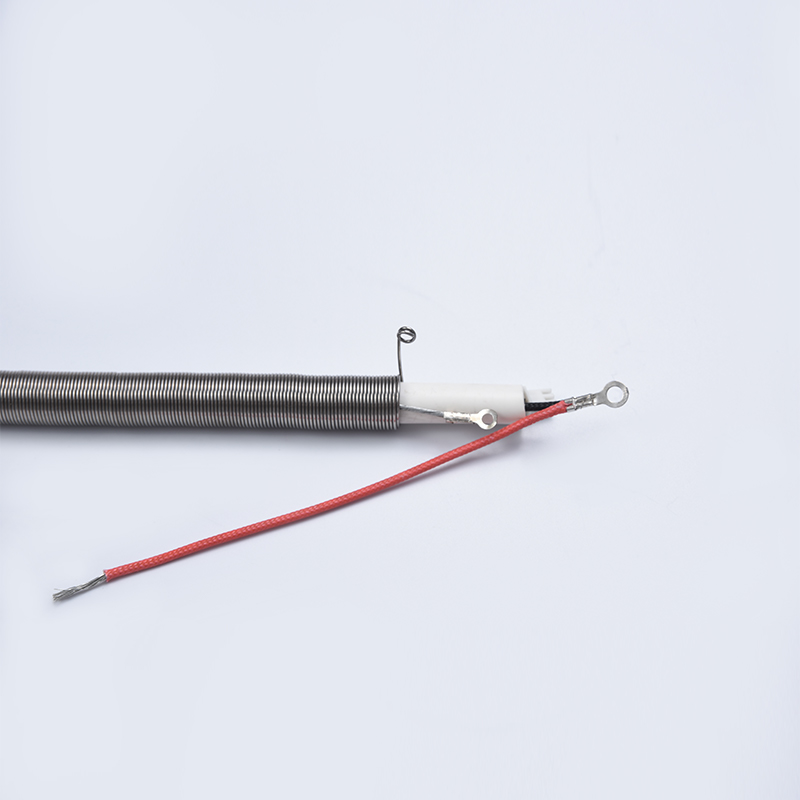
A kitchen appliance wiring harness connects all electrical components inside a domestic or commercial appliance — including heating elements, fans, thermostats, control boards, pumps, and display panels — into a single integrated electrical network. It must handle the specific demands of a kitchen environment: heat cycling, steam, vibration from motors, and frequent on/off operation.
Common Appliances That Use Dedicated Wiring Harnesses
- Refrigerators: Harnesses link the compressor, evaporator fan, defrost heater, thermostat, and door sensors — often spanning 8–12 individual circuit branches.
- Dishwashers: Must tolerate steam and water exposure; harnesses typically use waterproof connector housings rated to IP67 or higher.
- Ovens and ranges: High-temperature harnesses use silicone-insulated wire rated to 200°C or more, connecting bake/broil elements, ignitors, and electronic controls.
- Microwaves: High-voltage harnesses (up to 2,100V DC for the magnetron circuit) require specialized insulation and creepage distances.
- Coffee machines and espresso makers: Combine low-voltage control circuits with 120V/240V heating element feeds within the same harness assembly.
Key Design Criteria for Kitchen Appliance Harnesses
| Parameter | Typical Requirement | Why It Matters |
|---|---|---|
| Temperature rating | 105°C–200°C depending on zone | Prevents insulation melt near heating elements |
| Moisture resistance | IP44–IP67 connector rating | Prevents corrosion and short circuits from steam or spills |
| Wire gauge | 18 AWG–10 AWG (depending on load) | Ensures current capacity without overheating |
| Flame retardancy | UL 94 V-0 or equivalent | Limits fire spread in the event of electrical fault |
| Vibration resistance | Locking connector housings | Prevents connection loss from motor vibration |
| Regulatory compliance | UL, CE, RoHS, IEC 60335 | Required for market access in US, EU, and global markets |
Why Kitchen Harnesses Fail — and How to Prevent It
The most common causes of kitchen appliance wiring harness failure are thermal degradation of insulation near heating zones, connector corrosion from steam exposure, and fatigue cracking at bend points due to repeated door or drawer movement. Studies of appliance warranty claims show that wiring faults account for 18–24% of all field failures in dishwashers and ranges.
Preventive design measures include routing harnesses away from direct heat sources using clips and standoffs, using silicone rather than PVC insulation in high-temperature zones, and specifying tinned copper conductors in humid areas to resist oxidation.
Environmental Electrical Wiring Harness: Built for Harsh Conditions
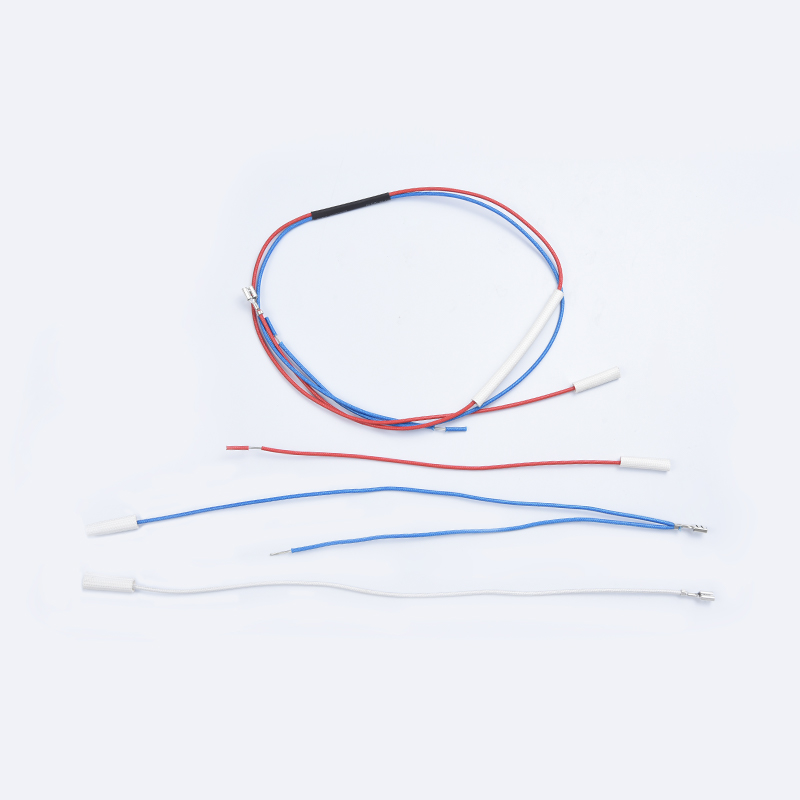
An environmental electrical wiring harness is specifically engineered to operate reliably under conditions that would degrade a standard harness — including outdoor exposure, chemical contact, submersion, extreme cold or heat, UV radiation, and mechanical vibration. These harnesses are used in outdoor power equipment, agricultural machinery, marine systems, HVAC units, solar installations, and industrial automation in wet or corrosive environments.
The defining characteristic of an environmental harness is not just the wire itself but the sealing and protection strategy applied at every potential ingress point — connectors, junction points, and entry grommets.
Ingress Protection (IP) Ratings Explained
IP ratings (defined by IEC 60529) use two digits to describe protection against solids and liquids. For environmental harness connectors:
- IP54: Dust-protected and splash-resistant — suitable for outdoor equipment not subject to direct water jets.
- IP65: Dust-tight and protected against low-pressure water jets — common in outdoor lighting and HVAC.
- IP67: Dust-tight and submersible to 1 meter for 30 minutes — used in agricultural and marine harnesses.
- IP68/IP69K: Continuous submersion or high-pressure wash-down — required for food processing equipment and underwater sensors.
Materials Used in Environmental Harness Construction
| Material | Used For | Key Advantage |
|---|---|---|
| Cross-linked polyethylene (XLPE) | Wire insulation | Excellent chemical and thermal resistance up to 90°C–150°C |
| Thermoplastic polyurethane (TPU) | Outer jacket | Abrasion and oil resistant; flexible at low temperatures |
| Silicone | Connector seals and high-temp wire | Maintains elasticity from −60°C to +200°C |
| Tinned copper conductors | All conductors in humid or marine environments | Prevents oxidation that increases resistance and causes hotspots |
| Stainless steel braiding | EMI shielding and mechanical protection | Protects signal lines from interference and rodent damage |
| UV-stabilized nylon conduit | Outdoor routing conduit | Resists photodegradation over years of sun exposure |
Applications Where Environmental Harnesses Are Essential
- Solar photovoltaic systems: DC harnesses must withstand 25+ years of UV and temperature cycling; rated to TÜV 2 Pfg 1169 or UL 4703 standards.
- Agricultural equipment: Tractors and combine harvesters use sealed multi-pin Deutsch DT or AMP Superseal connectors rated for mud, fertilizer, and vibration.
- Marine and offshore: Salt air accelerates corrosion; harnesses use tinned conductors, heat-shrink solder sleeves, and halogen-free jackets per IEC 60092.
- Outdoor LED lighting and signage: IP66-rated harnesses with UV-stabilized jackets connect driver modules in roadway and architectural lighting.
- HVAC rooftop units: Must tolerate thermal cycling from −30°C to +80°C and resist condensation within junction boxes.
Key Differences Between Kitchen and Environmental Wiring Harnesses
While both types share the same fundamental structure, their engineering priorities diverge significantly based on the threats each must resist.
| Feature | Kitchen Appliance Harness | Environmental Harness |
|---|---|---|
| Primary threat | Heat, steam, vibration from motors | UV, moisture ingress, chemicals, temperature extremes |
| Connector sealing | IP44–IP67 in wet zones | IP65–IP69K depending on application |
| Typical insulation | PVC (low temp zones), silicone (high temp zones) | XLPE, TPU, silicone; UV-stabilized |
| Operating temperature | Up to 200°C near heating elements | −60°C to +150°C depending on environment |
| Regulatory standards | UL, CE, IEC 60335, RoHS | IEC 60529, UL 4703, IEC 60092, REACH |
| Conductor material | Bare or tinned copper | Tinned copper (standard); silver-plated for extreme applications |
| Expected service life | 10–15 years (appliance lifecycle) | 15–30 years (infrastructure lifecycle) |
How Wiring Harnesses Are Manufactured
Wiring harnesses are among the few electrical components that remain predominantly hand-assembled, even in high-volume manufacturing. The irregular geometries of finished harnesses make full automation difficult, though semi-automated wire cutting, stripping, and crimping machines handle the most repetitive steps.
The general manufacturing sequence is:
- Engineering design and schematic creation (wire gauge, routing, connector selection)
- Automated wire cutting and stripping to specified lengths
- Crimping of terminals onto wire ends using calibrated crimping presses
- Manual assembly on a form board (a scaled diagram of the finished harness layout)
- Insertion of terminated wires into connector housings
- Wrapping, sleeving, or conduit application for protection
- Electrical continuity testing on a dedicated test fixture
- Visual inspection, labeling, and packaging
Quality-critical harnesses — such as those used in ovens or outdoor solar systems — undergo 100% electrical testing including hi-pot (high potential dielectric) testing to verify insulation integrity under elevated voltage before shipment.
Selecting the Right Wiring Harness: What to Specify
Whether you are an appliance engineer, procurement manager, or maintenance technician sourcing a replacement, these are the parameters you must define before selecting or ordering a wiring harness:
- Voltage and current ratings: Every conductor and connector must be rated above the maximum expected load, with a minimum 25% safety margin.
- Temperature range: Specify both the ambient operating temperature and proximity to heat sources like elements or exhaust.
- Environmental exposure: Define whether the harness will face moisture, UV, chemicals, salt spray, or pressure washing.
- Connector compatibility: Ensure the connector pitch, gender, locking mechanism, and pin count match the mating components exactly.
- Regulatory requirements: Identify which certifications (UL, CE, RoHS, REACH) are required for the target market.
- Flex life requirements: If the harness bends repeatedly (e.g., in a door hinge application), specify a minimum flex cycle rating for both wire and connectors.
For replacement harnesses in kitchen appliances, always cross-reference the OEM part number and verify the wire gauge, connector housing type, and overall harness length before ordering. Using an undersized wire gauge on a heating element circuit is one of the most common causes of appliance fires during DIY repair.
Signs That a Wiring Harness Needs Replacement
Knowing the warning signs of harness failure can prevent appliance damage, equipment downtime, or electrical fires:
- Discolored or brittle insulation: A sign of thermal damage or UV degradation; the insulation can crack under mechanical stress and expose live conductors.
- Burnt smell or visible scorch marks: Indicates a connection with elevated resistance generating heat — a precursor to open circuit or fire.
- Intermittent operation of connected components: Often caused by a partially failed crimp terminal that loses contact under vibration or thermal expansion.
- Corrosion at connector pins: Oxidized pins increase resistance; in outdoor or marine harnesses, green or white deposits on terminals are a clear replacement trigger.
- Physical damage to the outer sheath: Cuts, abrasion, or rodent damage that expose inner conductors, especially in agricultural or outdoor equipment.