+86-0574-63316601


 中文简体
中文简体Content
- 1 The Direct Answer: What a Water Purifier Wiring Harness Actually Does
- 2 The Components a Harness Connects
- 3 Connector Types and Why the Choice Matters
- 4 Certifications to Check Before Buying a Replacement or OEM Harness
- 5 Environmental Resistance: Moisture, Heat, and Corrosion
- 6 Signs the Wiring Harness Is the Actual Fault — Not Another Part
- 7 Replacing a Harness: Matching It to Your Specific Model
- 8 Custom Harnesses for Manufacturers and OEM Buyers
The Direct Answer: What a Water Purifier Wiring Harness Actually Does
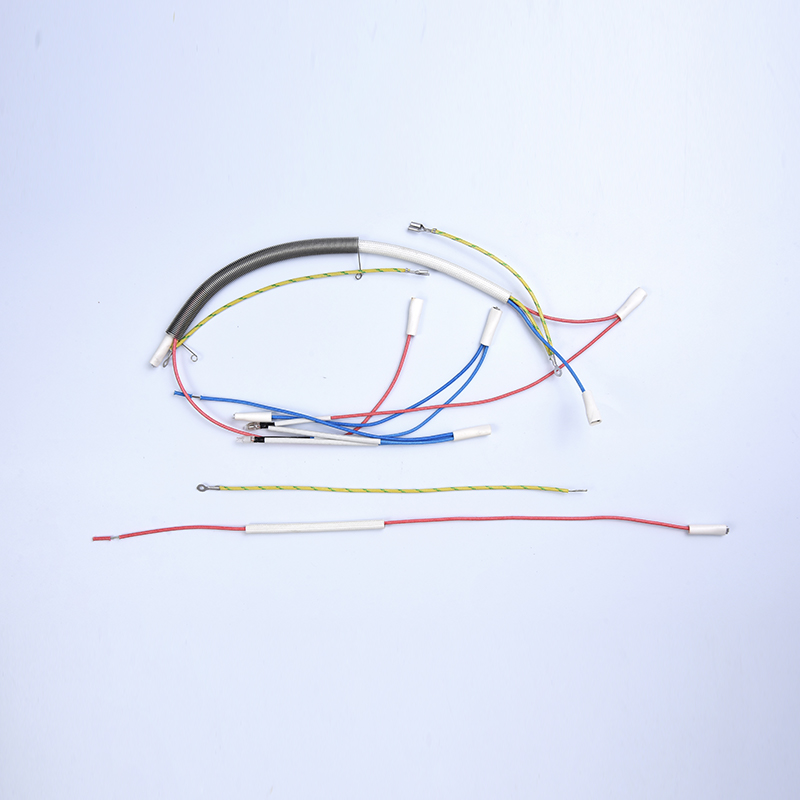
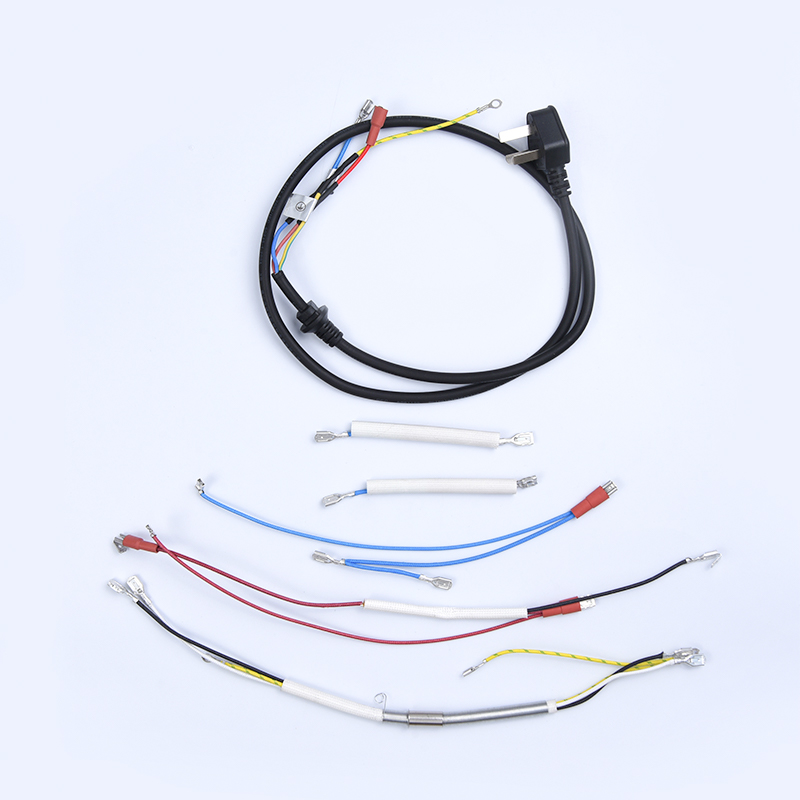
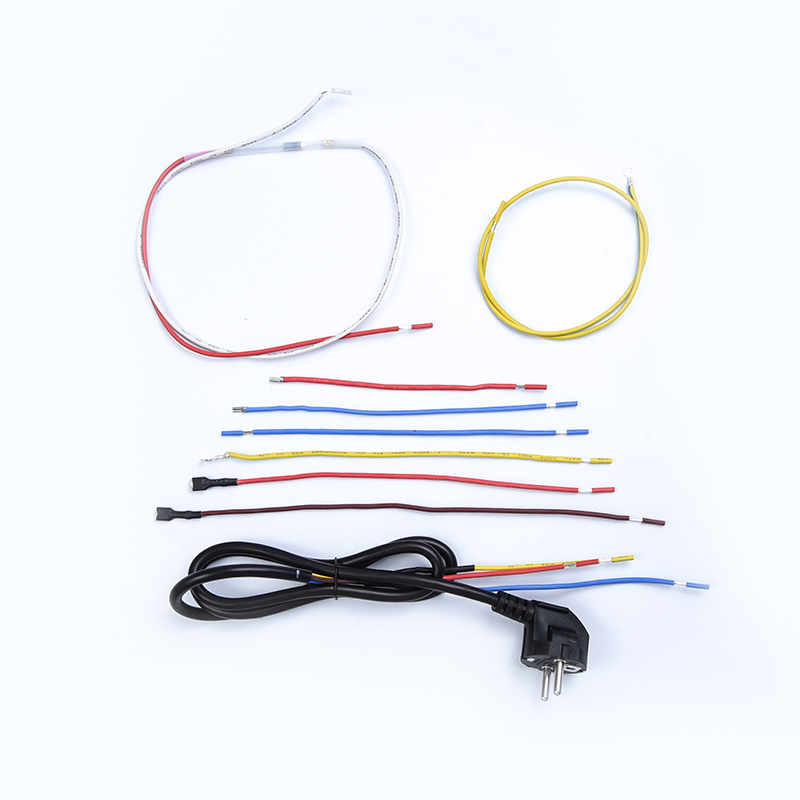
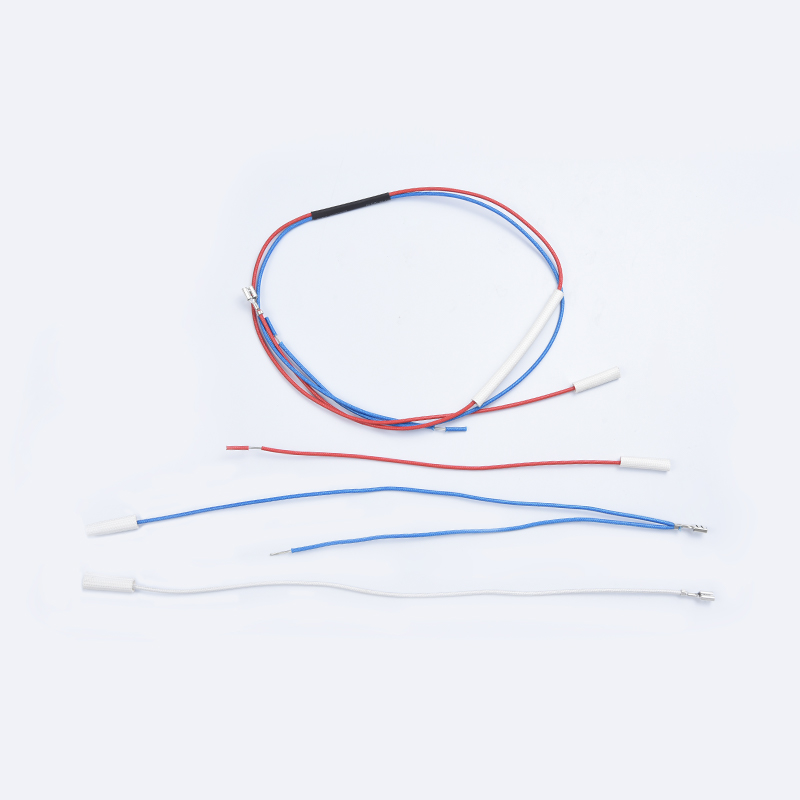
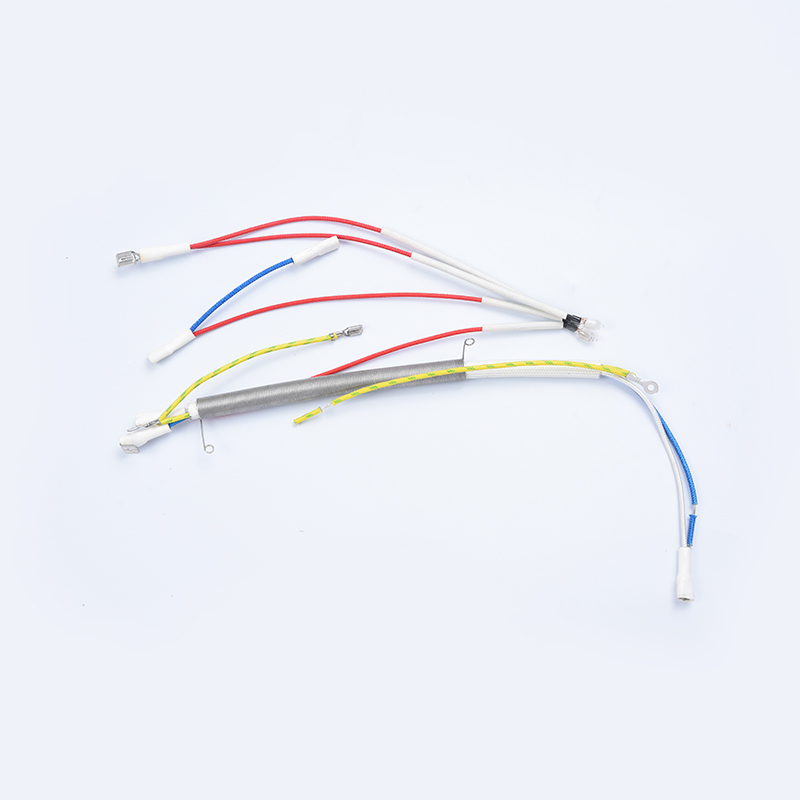
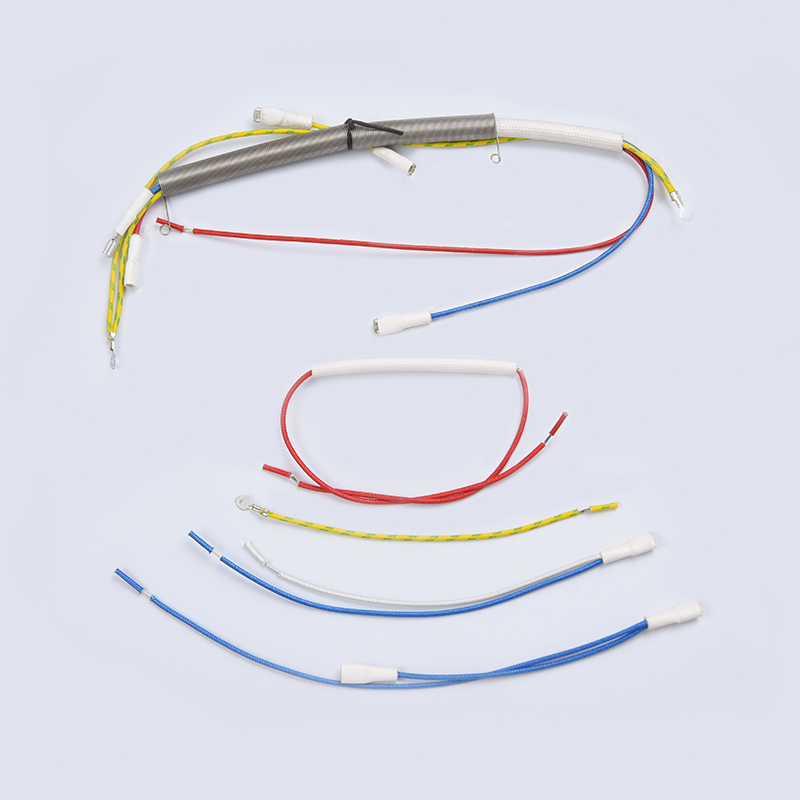
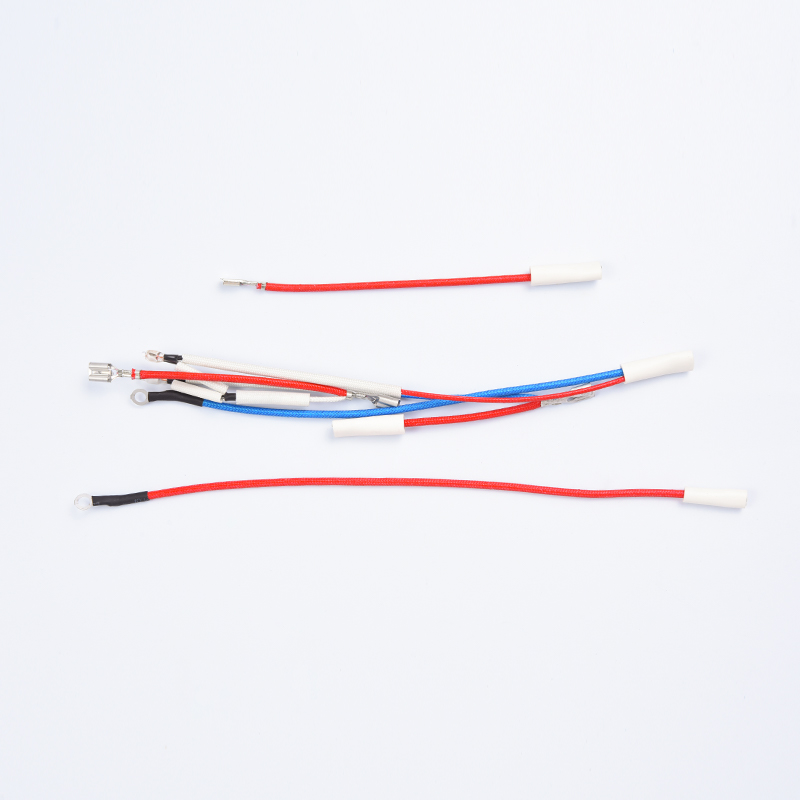
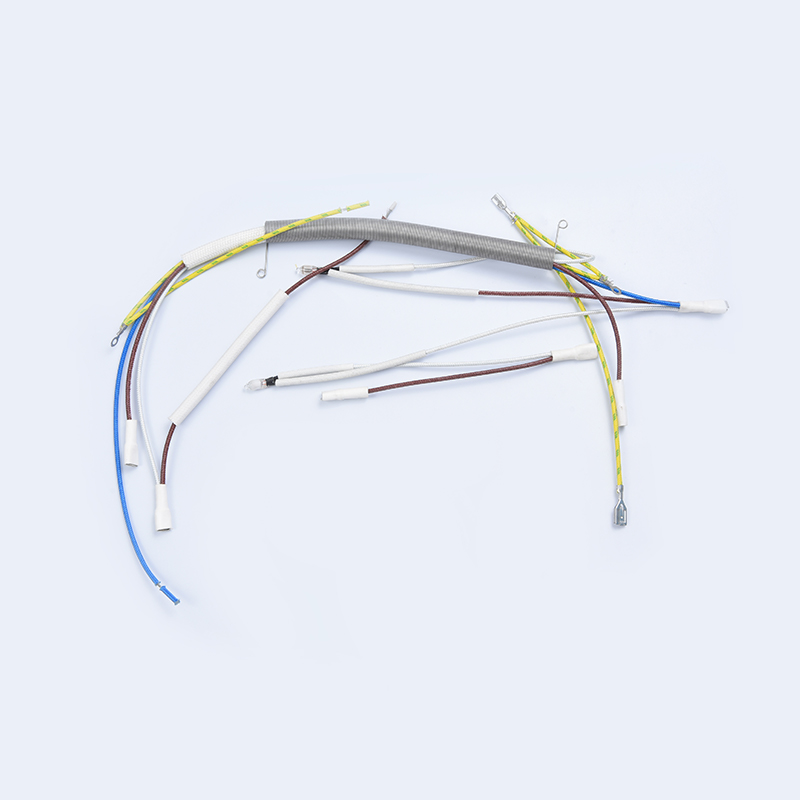
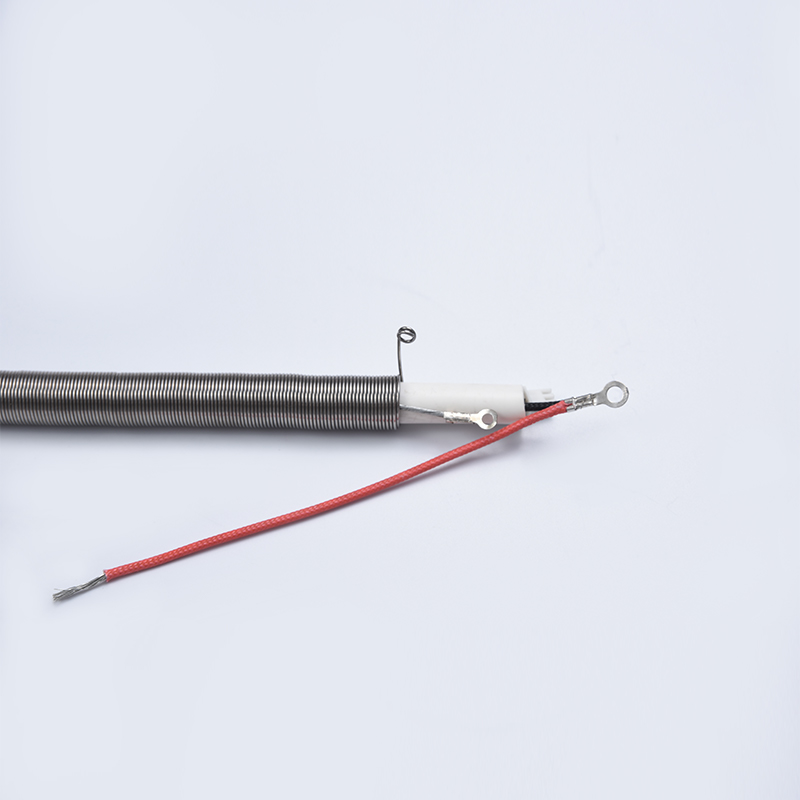
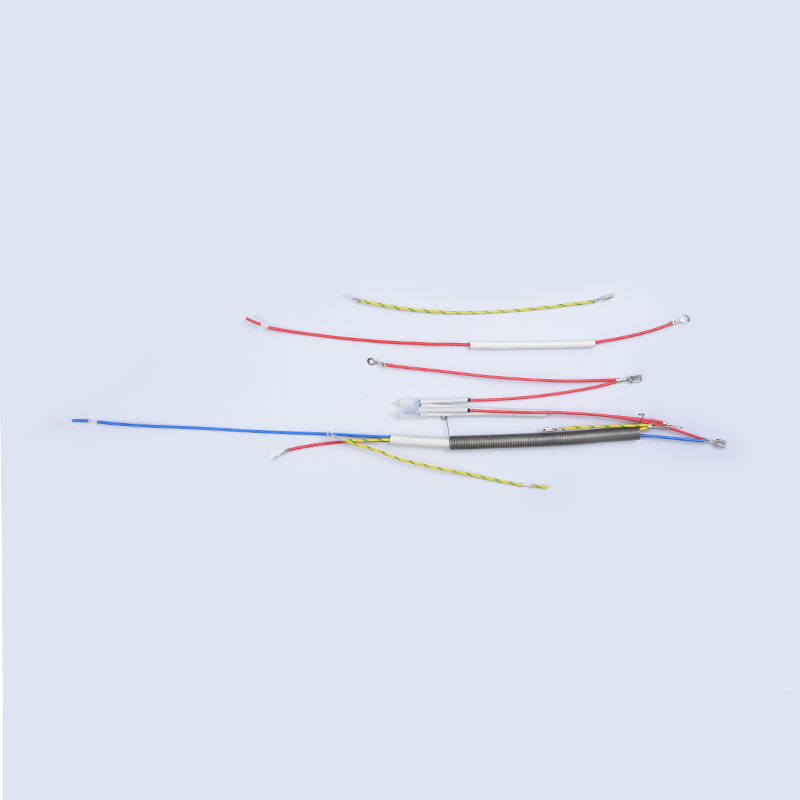
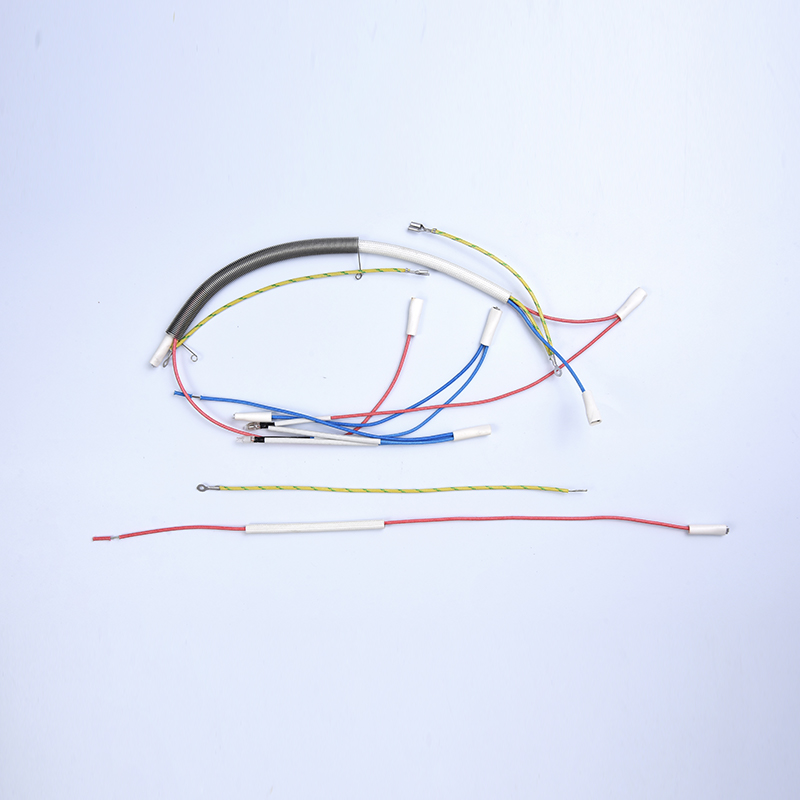
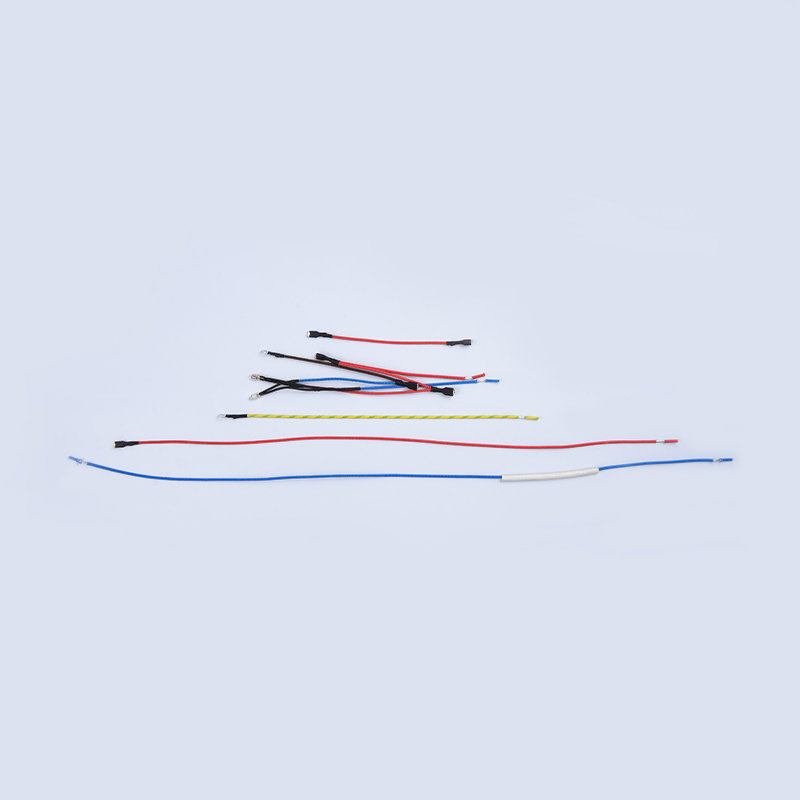
A water purifier wiring harness is the pre-assembled bundle of low-voltage wires and connectors that carries power and control signals from the SMPS power adapter to every electrical part inside an RO system — the solenoid valve, booster pump, float switch, pressure switches, and UV ballast. It is not a single wire but a complete cable assembly, terminated with connectors on each end, that replaces what would otherwise be dozens of loose, individually soldered wires.
Most domestic RO systems run this harness at 24V DC, stepped down from 220–230V household AC by an SMPS unit rated around 24V at 2.5A for standard units, or 3A for systems driving larger 150–300 GPD booster pumps. Because the harness sits between the AC power adapter and every downstream part, a single connector failure anywhere along it can take out water flow, UV disinfection, or automatic shut-off — which is why understanding its layout matters whether you're sourcing harnesses as a manufacturer or replacing one during a repair.
The Components a Harness Connects
A typical domestic RO wiring harness branches out from the SMPS to five to six distinct components, each performing a specific role in the purification cycle. Understanding what each branch controls makes it possible to trace a fault to the right wire instead of replacing the whole harness unnecessarily.
| Component | Function in the Circuit |
|---|---|
| Solenoid valve | Opens or shuts the water inlet automatically on 24V DC signal |
| Booster pump | Raises feed-water pressure to push water through the membrane |
| Float switch | Signals tank-full or tank-empty status to cut or resume power |
| Low/high pressure switch | Shuts the system down automatically outside safe pressure range |
| UV ballast/choke | Supplies the UV lamp with the voltage needed for disinfection |
The low-pressure switch exists specifically to protect the electronic components downstream — if incoming water pressure drops below the safe threshold, the harness carries a signal that shuts the system off before the pump or solenoid runs dry and burns out.
Connector Types and Why the Choice Matters
Water purifier harnesses are commonly terminated with TE, JST, or Molex connectors, each selected for how reliably they hold contact under vibration and repeated disconnection during servicing. High-precision copper terminals are standard because they maintain low contact resistance even as current passes through repeatedly over years of use.
Wire gauge on these harnesses typically falls in the 22 to 28 AWG range, since the circuits are low-voltage and low-current signal or control lines rather than high-draw power circuits. Thinner gauges like 26–28 AWG are common on JST-style connectors for switches and sensors, while slightly heavier 22 AWG conductors are used where the harness feeds a higher-draw component like a booster pump.
Why 24V DC, Not Direct AC, Runs Through the Harness
Keeping the harness itself on low-voltage DC — rather than running 220–230V AC directly to each component — is a deliberate safety design. It means a technician can disconnect or replace a solenoid valve, float switch, or pressure switch without exposure to mains voltage, since the AC-to-DC conversion happens once, inside the sealed SMPS, before the harness ever distributes power onward.
Certifications to Check Before Buying a Replacement or OEM Harness
Before purchasing a water purifier wire harness, verify it meets UL and ISO 9001 standards — these two certifications are the baseline signal that the harness has been tested for insulation integrity and manufactured under a consistent quality process, rather than assembled from unverified parts.
- UL listing: Confirms the wire insulation and connectors have passed independent safety testing for the rated voltage and temperature.
- ISO 9001: Confirms the manufacturer follows a documented quality management process, reducing batch-to-batch inconsistency.
- RoHS compliance: Confirms the harness is free of restricted hazardous substances such as lead and cadmium — relevant since these harnesses sit inside an appliance that processes drinking water.
- REACH compliance: Confirms the materials meet chemical safety requirements for the markets the purifier will be sold into.
A properly made water purifier wire harness can serve for more than ten years, but that lifespan depends directly on whether the harness was built to these standards in the first place — not every harness on the market offers this service life, particularly uncertified aftermarket replacements sourced purely on price.
Environmental Resistance: Moisture, Heat, and Corrosion
A water purifier operates in one of the most moisture-exposed environments an internal wiring harness can face, since it sits inside an enclosure with active water lines, condensation, and periodic splashing during filter changes. A well-built harness needs to resist moisture ingress to prevent internal corrosion of the copper terminals, which over time increases contact resistance and can cause intermittent failures long before any wire visibly breaks.
Heat resistance matters as well, since the harness runs in close proximity to the SMPS and UV ballast, both of which generate heat during continuous operation. Harnesses built for this application should maintain stable insulation performance across the temperature swings typical of an under-sink or countertop installation, not just the ambient room temperature the unit is tested at initially.
Signs the Wiring Harness Is the Actual Fault — Not Another Part
Because the harness connects nearly every electrical part in the system, symptoms of a harness fault often look identical to symptoms of a failed component. Isolating whether the harness itself is at fault, rather than the part it's connected to, is the single most useful diagnostic step before ordering a replacement.
- Intermittent power loss that resolves when the enclosure is bumped or moved — this points to a loose or corroded connector pin rather than a failed component, since a genuinely dead part would not respond to physical movement.
- One component works when tested directly on power but not through the harness — this isolates the fault to the specific harness branch feeding that component, not the component itself.
- Visible discoloration, brittleness, or a burnt smell near a connector — this indicates heat damage at a connection point, often from a loose crimp that increased resistance and generated localized heat over time.
- Multiple components fail simultaneously after a water leak inside the enclosure — this suggests moisture has entered a shared connector block rather than several parts failing independently at once.
When any of these patterns appear, replacing the harness — rather than swapping individual parts one at a time — is usually the faster and more reliable fix, since a compromised harness will continue to cause the same symptoms even after a "working" replacement part is installed.
Replacing a Harness: Matching It to Your Specific Model
Replacement harnesses sold for consumer RO systems are typically model-specific rather than universal, because connector count, pin layout, and cable length vary between manufacturers and even between model lines from the same brand. A harness built for one model's pump-and-valve layout will not necessarily line up correctly with a different model's connector positions, even if the voltage and component types match.
- Confirm the exact model name printed on the purifier before ordering, since harnesses are frequently listed by specific model compatibility rather than by brand alone.
- Check that the replacement harness includes connectors for every component your specific unit has — some models omit a booster pump or UV stage, which changes the number of branches needed.
- Verify the SMPS output voltage and current rating on the replacement matches the original — a harness rated for a 2.5A supply paired with a system that needs 3A for its booster pump can undersize the circuit.
Custom Harnesses for Manufacturers and OEM Buyers
For appliance manufacturers building or private-labeling RO systems at scale, a custom-designed wiring harness built to the specific bill of materials and connector layout of the product is standard practice rather than adapting a generic harness after the fact. This avoids the reliability problems that come from forcing mismatched connectors or non-standard pin counts into a design that wasn't built for them.
A well-run custom harness process typically includes design and drawing review before production, so the manufacturer can confirm connector orientation, cable length, and branch routing match the physical layout of the enclosure before committing to a production run. Requesting sample harnesses tested to SGS, RoHS, and REACH standards ahead of a full order reduces the risk of discovering a compliance gap after thousands of units have already shipped.