+86-0574-63316601


 中文简体
中文简体Content
- 1 Why Water Purifier Heating Depends on the NTC Temperature Sensor
- 2 How a Water Purifier NTC Temperature Sensor Works
- 3 Key Selection Criteria for a Water Purifier NTC Temperature Sensor
- 4 Integrating the Sensor with the Water Purifier Wiring System
- 5 Common Failure Modes and How to Prevent Them
- 6 What to Look for in a Water Purifier NTC Temperature Sensor Supplier
During a batch production run at a water purification appliance factory, a sudden temperature shift showed up on the final test line. Hot water that should have been delivered at 85°C came out at 73°C, and the heating element kept cycling on and off. After several circuit checks, the engineer traced the problem to a faulty NTC temperature sensor that had drifted 4°C from its original calibration. The fix took seconds; the production delay cost a full day.
That small component is the difference between a reliable water purifier and a steady stream of customer complaints. A water purifier NTC temperature sensor is not just a resistor with a package; it is the sensing element that controls the entire heating cycle. When it fails or drifts, every other system that depends on temperature feedback fails with it.
Why Water Purifier Heating Depends on the NTC Temperature Sensor
Whether the purifier uses a storage tank or an instant-heating module, the heating control loop needs an accurate temperature reading. The sensor serves three critical functions:
- Turning the heating element on and off to hold the set water temperature.
- Providing over-temperature and dry-boiling protection when the tank runs low.
- Feeding the display and user controls so the customer sees and can adjust the actual water temperature.
The conclusion from field data is straightforward: a sensor with ±1°C accuracy at the control point can keep water within ±3°C of the set point, while a sensor with ±5% resistance tolerance can allow the water temperature to swing by more than 8°C. The latter creates poor tasting coffee or tea, wasted energy, and intermittent short cycling that wears out relays and heating elements.
How a Water Purifier NTC Temperature Sensor Works
An NTC thermistor has a negative temperature coefficient: its resistance decreases as temperature increases. In a typical water purifier circuit, the sensor is connected in series with a fixed resistor to form a voltage divider. The control board reads the voltage at the midpoint and converts it to a temperature value using the sensor's resistance-temperature curve.
The two most common specifications are 10kΩ at 25°C with a B value of 3435K, and 10kΩ with a B value of 3950K. The difference is the slope of the curve. A higher B value means the resistance changes more steeply with temperature, which can improve sensitivity in the 60°C to 100°C range used for hot water, but it also narrows the range of useful temperatures. Design engineers should match the B value to the operating window of the purifier, not to a generic catalog spec. For a more general explanation of the technology, see this complete guide to NTC temperature sensors.
Key Selection Criteria for a Water Purifier NTC Temperature Sensor
When sourcing a sensor for a new or existing purifier model, the important parameters go beyond the nominal resistance. The list below gives typical values used in domestic water purifiers and explains why they matter.
| Parameter | Typical Value | Why It Matters |
|---|---|---|
| Resistance at 25°C | 10kΩ ±1% or ±2% | Determines the voltage divider output and allows sensors to be exchanged without re-calibration. |
| B value | 3435K or 3950K | Sets the temperature-resistance curve slope; choose based on your heating control range. |
| Operating range | -20°C to +125°C | Must exceed the full product range including abnormal and dry-heating conditions. |
| Accuracy | ±0.5°C at 0–100°C | Directly affects hot water temperature stability and energy consumption. |
| Probe housing | Stainless steel or food-grade plastic | Must meet food-contact safety requirements and resist scaling and corrosion. |
| Insulation resistance | 100MΩ or higher | Prevents leakage currents and false temperature readings in a wet environment. |
| Response time | 5s or less | Faster response reduces temperature overshoot and improves user safety. |
| Lead wire and connector | Custom length, sealed connector | Shortens assembly time and prevents connector corrosion and intermittent contact. |
The selection conclusion is simple: verify the sensor at the control temperatures you actually use, not only at 25°C. A sensor that reads 10kΩ perfectly at room temperature can still drift 3°C at 85°C if the B value tolerance is too loose. Ask the supplier for binning data or a resistance drift curve across the full operating range.
Integrating the Sensor with the Water Purifier Wiring System
An NTC temperature sensor never works alone. The signal travels through a wiring harness that connects the sensor, control board, heating element, and power supply. If the harness has poor terminal crimping, high contact resistance, or insufficient insulation in the humid zone near the water path, the sensor reading becomes noisy or intermittent. A temperature reading that jumps 5°C while the water stays still is more often a connector issue than a sensor issue.
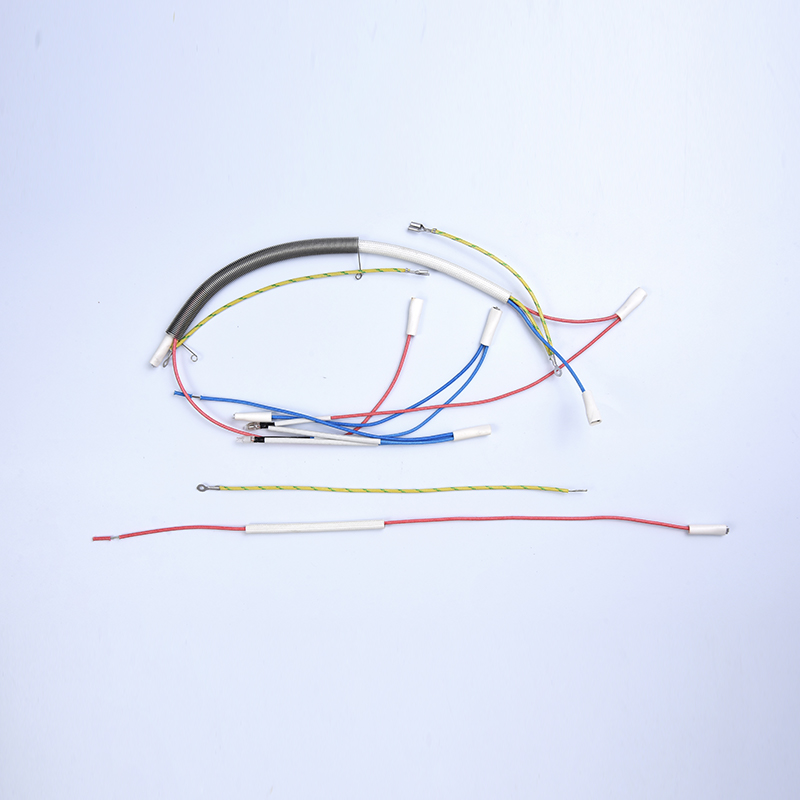
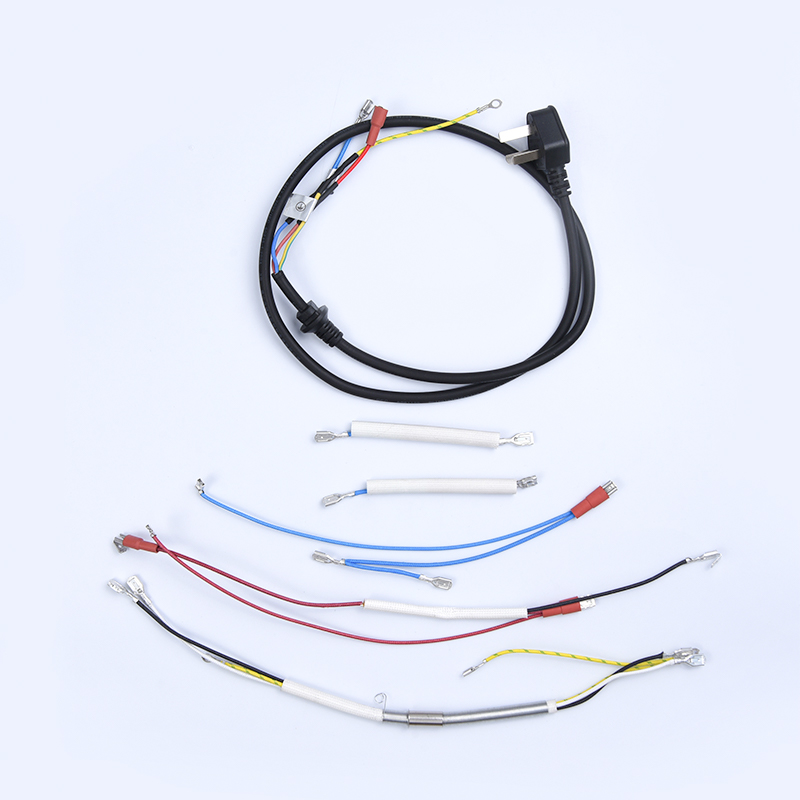
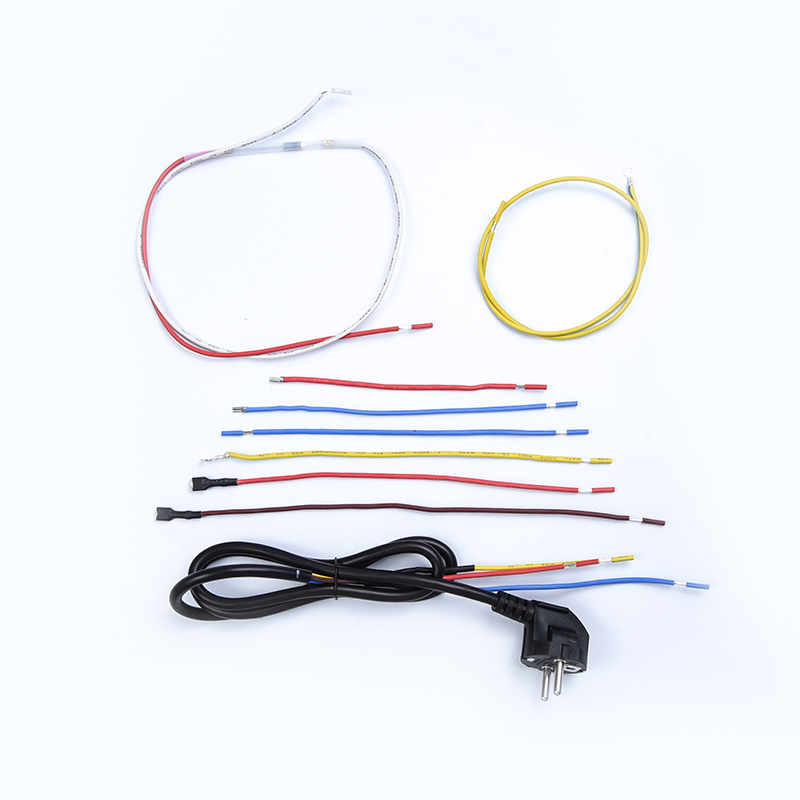
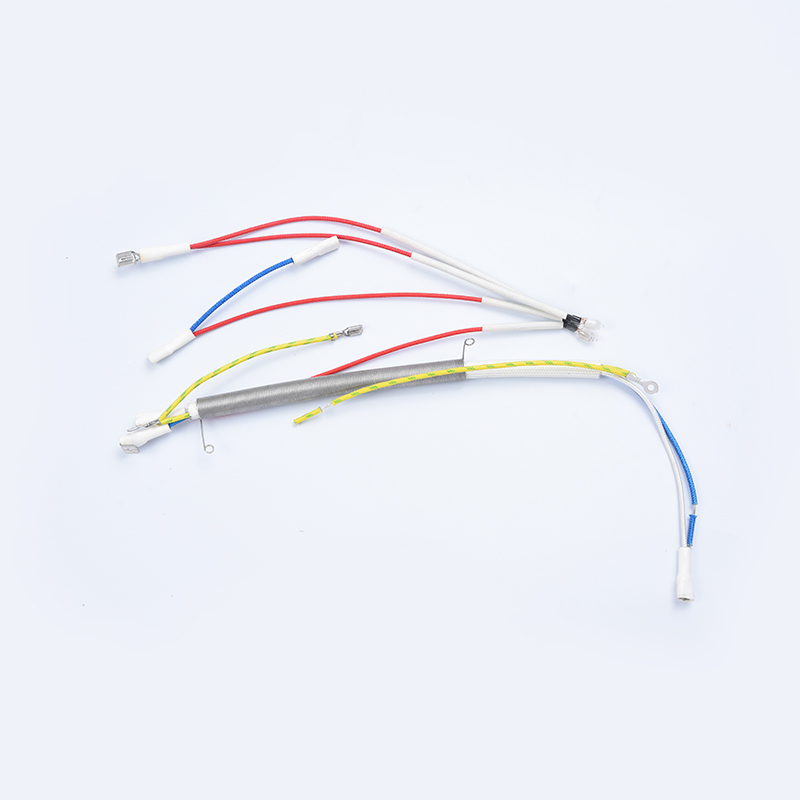
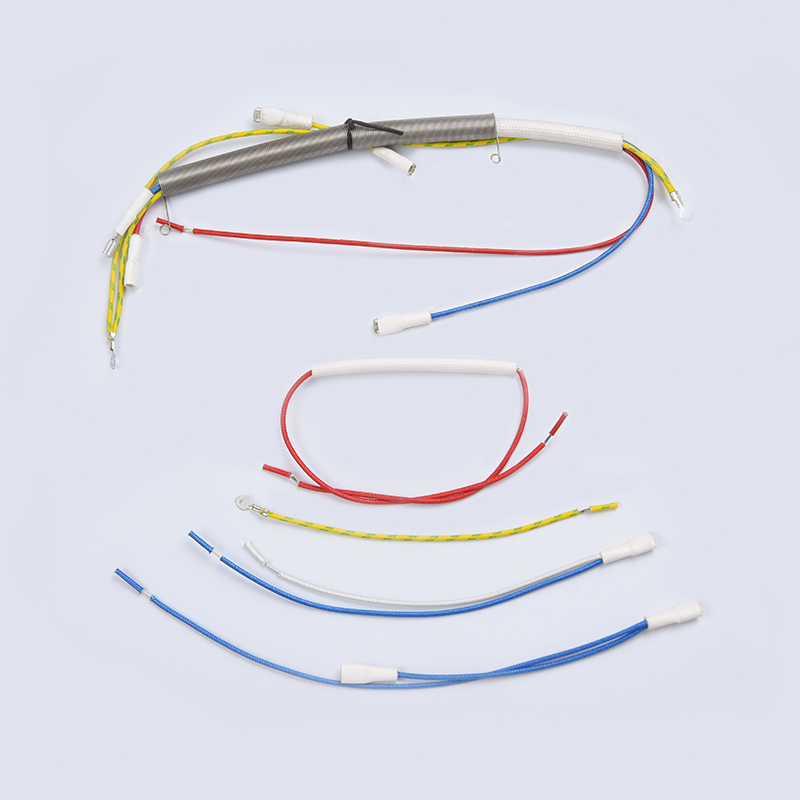
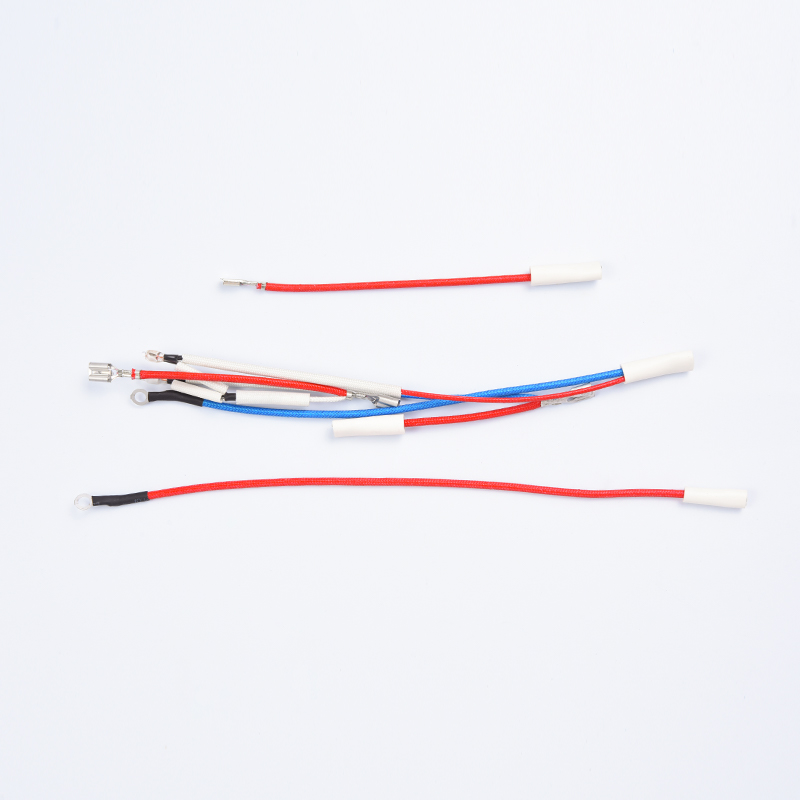
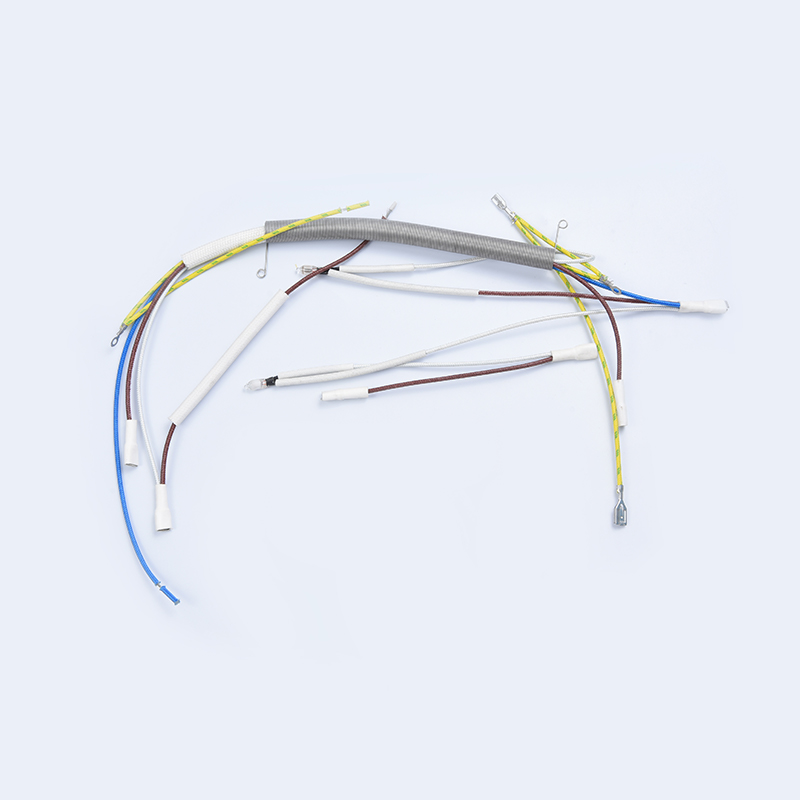
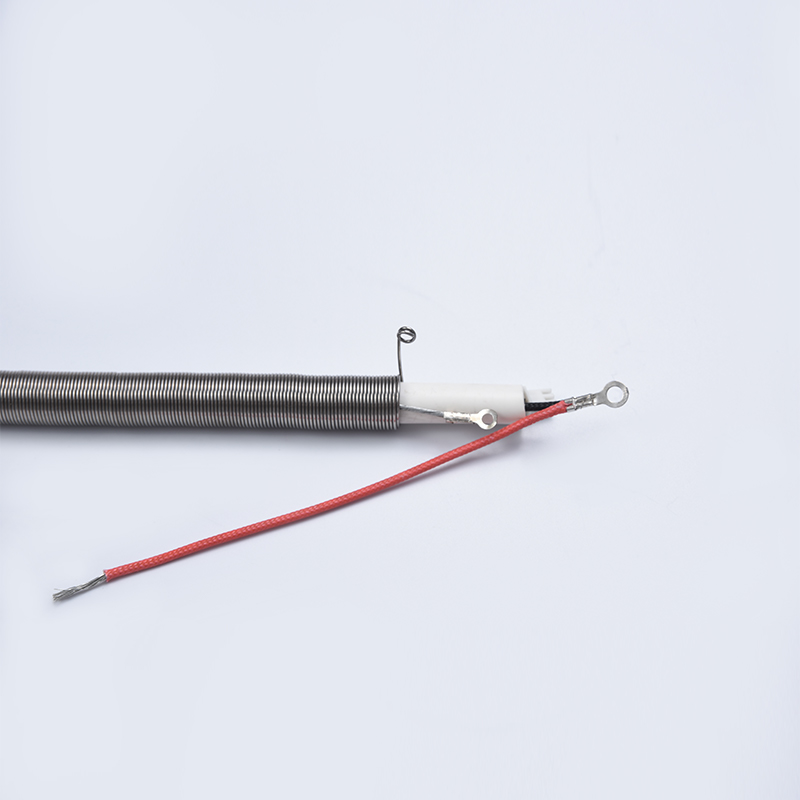
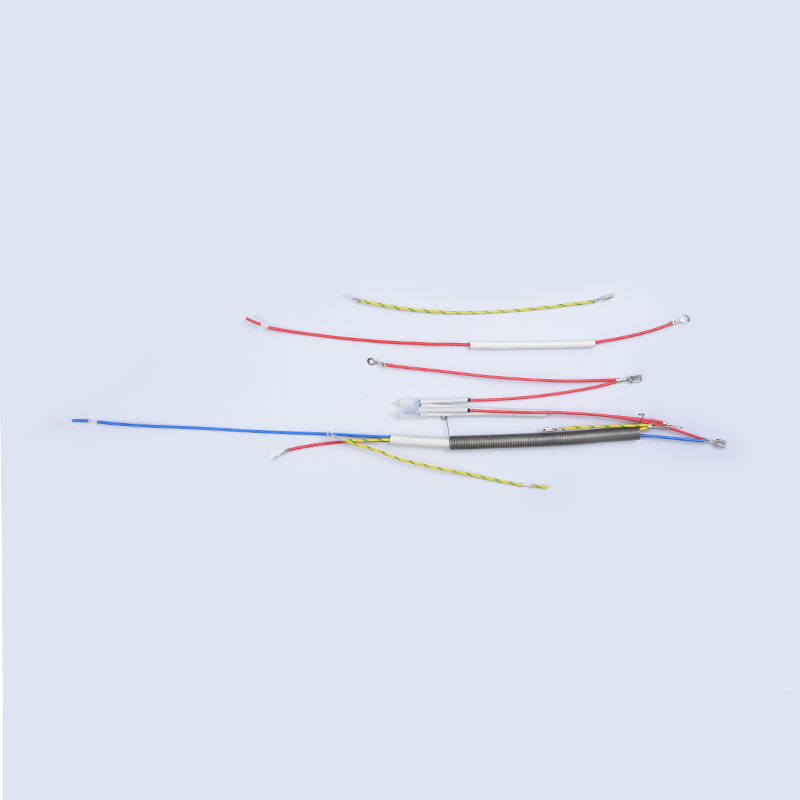
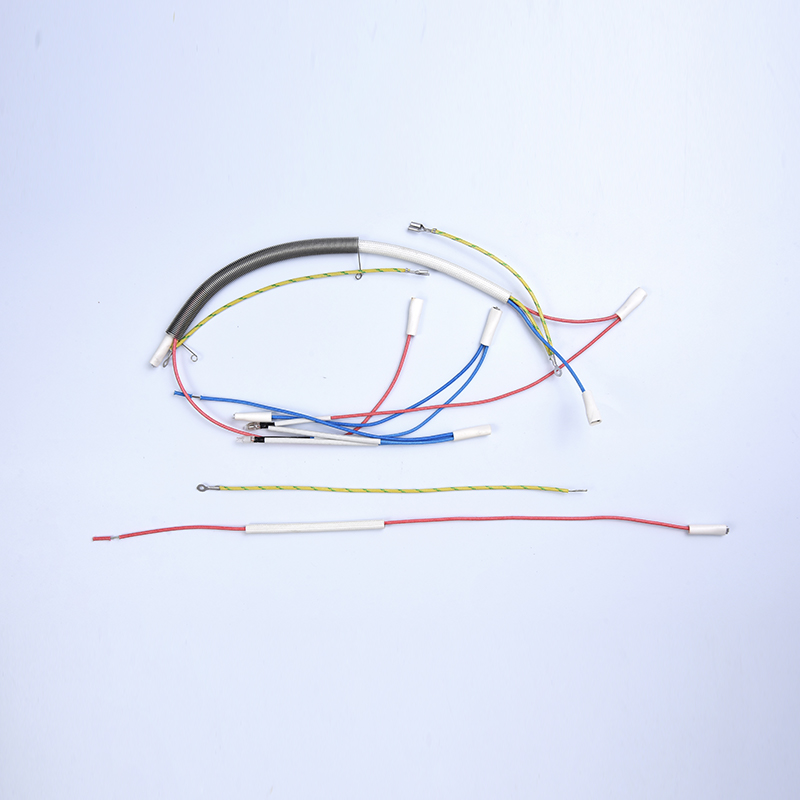
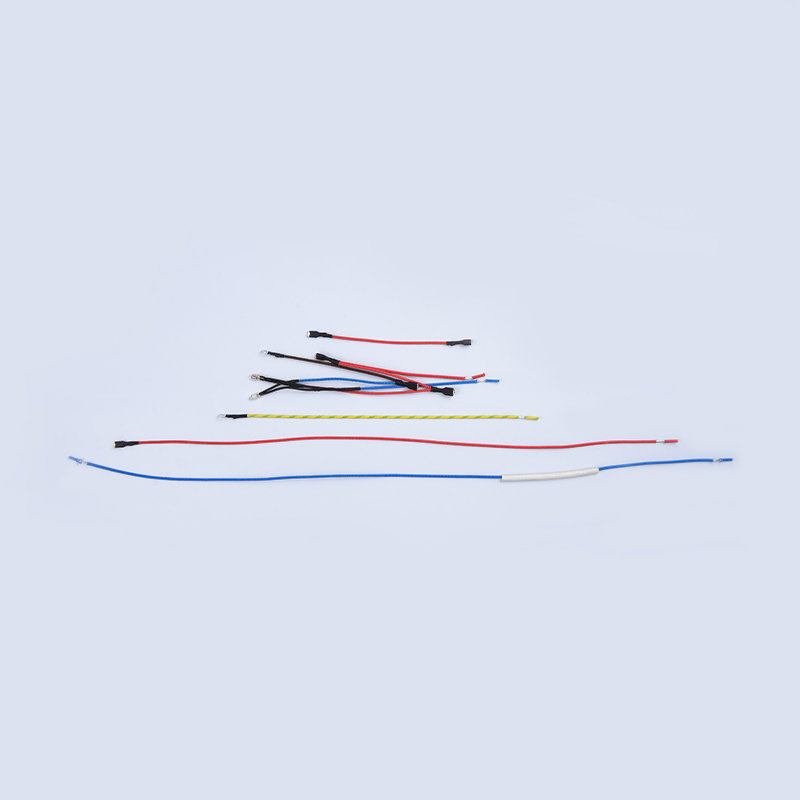
That is why we treat the sensor and the harness as one integrated assembly. For example, our water purifier wiring harness is designed with sealed connectors and insulation that withstand the condensation and splash conditions found inside a purifier. When the sensor is installed with a harness that has been validated for contact resistance and insulation resistance, the control board sees a clean signal and the temperature loop remains stable.
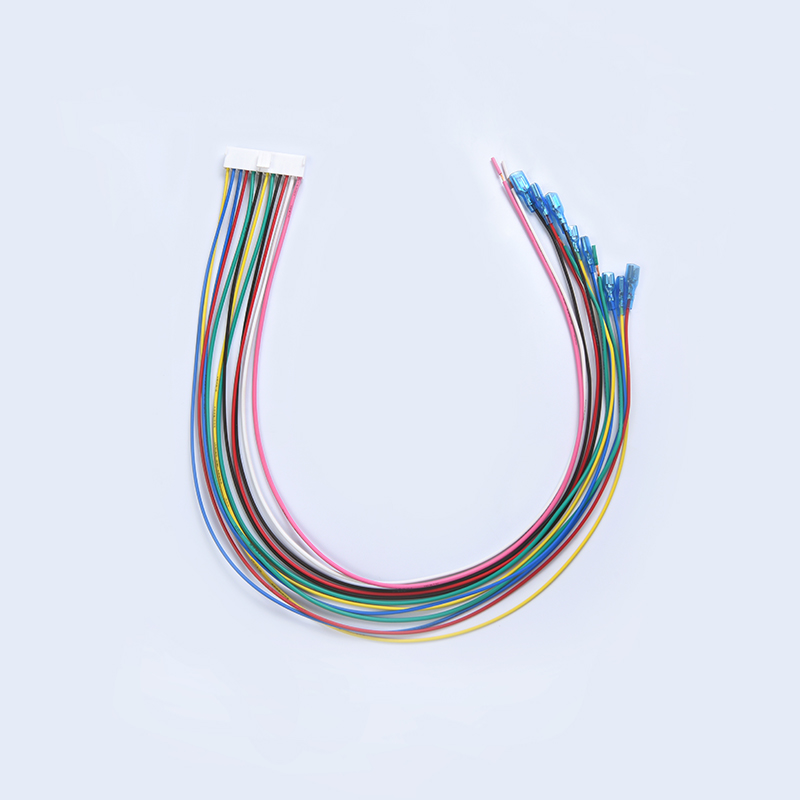 Custom Water Purifier Wiring Harness Manufacturers, SuppliersCixi Tengyu Electric Appliance Co., Ltd. is China Water Purifier Wiring Harness manufacturers and Water Purifier Wiring Harness suppliers...View Product →
Common Failure Modes and How to Prevent Them
Every year, our factory sees a pattern of sensor failures that repeat across different purifier brands. The most common are:
- Resistance drift: Long-term exposure to high temperature shifts the resistance curve, so the measured temperature reads low and the heater stays on longer than intended.
- Open circuit or short circuit: A broken solder joint, cracked encapsulation, or corroded connector terminal stops the sensor from sending a usable signal.
- Slow response: The probe is potted with excessive epoxy or covered by a thick metal sleeve, delaying heat transfer and causing temperature overshoot.
- Insulation failure: Water molecules penetrate the lead wire seal, lowering insulation resistance and creating false readings or leakage current.
Prevention starts with the supplier. Review accelerated aging test data at 90°C and 95% relative humidity for at least 500 hours. The best check is to measure sensor resistance at 85°C before and after the test; a shift of more than ±1% is a red flag. Also, verify that the probe material and lead wire insulation are compatible with any antimicrobial additives used in the water tank.
What to Look for in a Water Purifier NTC Temperature Sensor Supplier
A reliable supplier does more than ship a piece of plastic and wire. They should provide the resistance-temperature lookup table, B value tolerance, insulation resistance test reports, and a clear lot number so you can trace every sensor back to its production batch. They should also offer customization for probe shape, lead wire length, connector type, and even the sealing method around the sensor body.
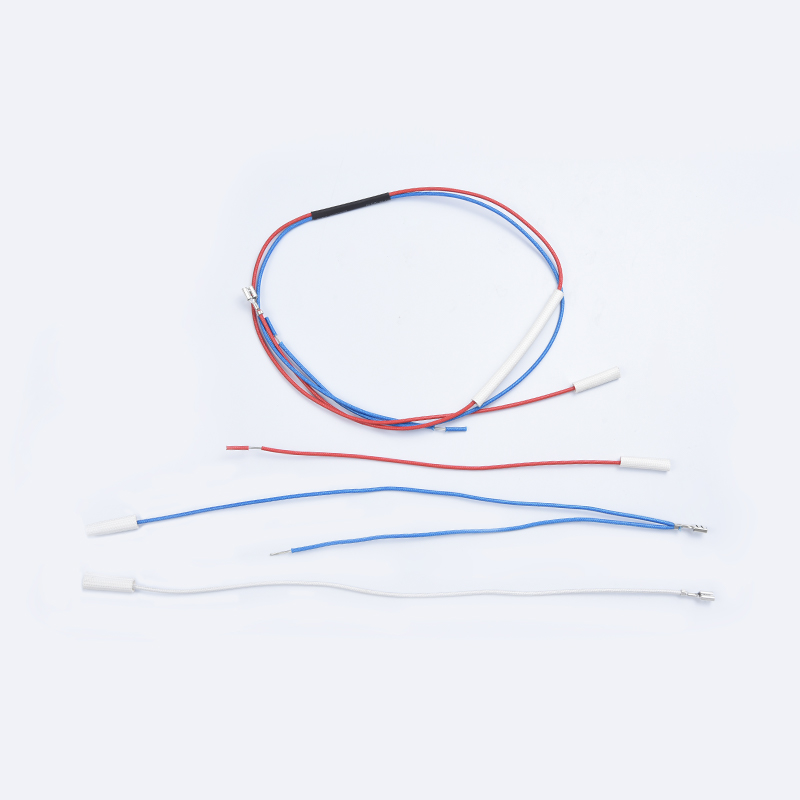
Our approach at the factory is to combine sensor design with harness assembly so you receive one qualified part instead of two separately sourced components. The water purifier NTC temperature sensor we produce uses a corrosion-resistant stainless steel probe, a moisture-sealed lead wire, and a packaging layout that rejects thermal shock during normal cycling. We can also adjust the 25°C resistance and B value to match your control board's input range without changing the probe geometry.
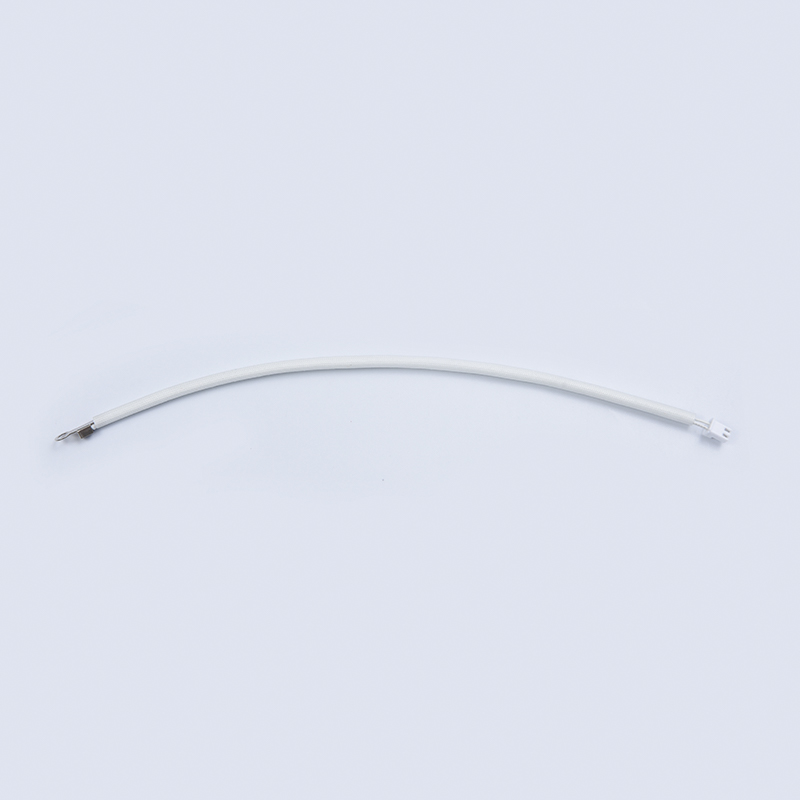 Custom Water Purifier NTC Temperature Sensor Manufacturers, SuppliersCixi Tengyu Electric Appliance Co., Ltd. is China Water Purifier NTC Temperature Sensor manufacturers and Water Purifier NTC Temperature ...View Product →
When you are evaluating suppliers, ask for three specific documents: the detailed specification sheet, the 100% test report for resistance at 25°C and insulation resistance, and the B value witness test result. If a supplier cannot provide those, your production line will become their testing department.
The water purifier NTC temperature sensor is a small part with a large effect on product quality. Accurate selection, careful integration with the wiring system, and verification with real aging data will reduce field failures and customer complaints. Start with the control temperature range, match the sensor curve to that range, and confirm the entire signal path from probe to control board. Doing so keeps your purifier selling itself through consistent hot water delivery.