+86-0574-63316601


 中文简体
中文简体Content
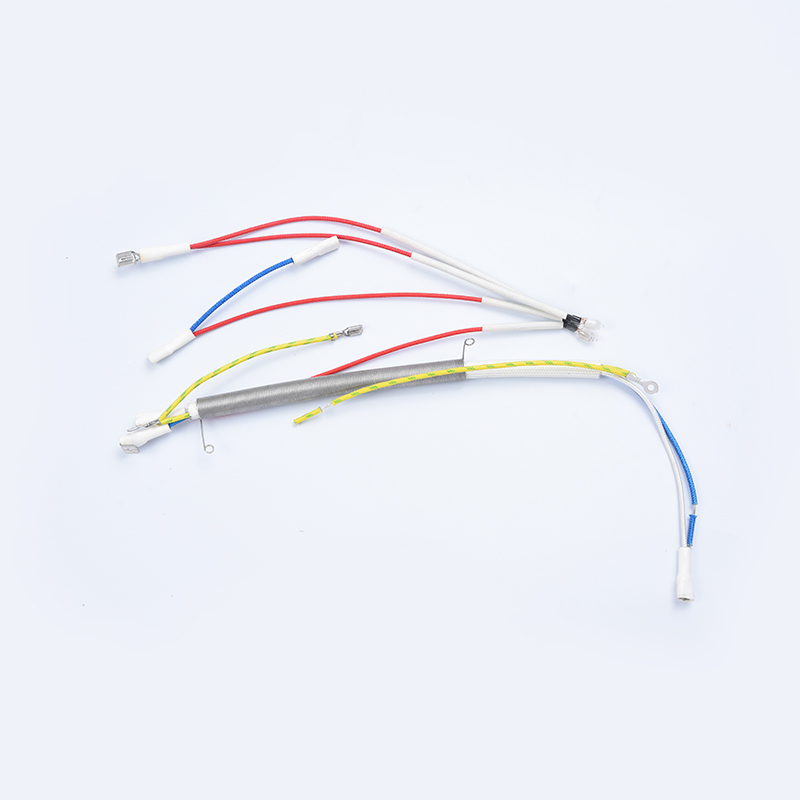
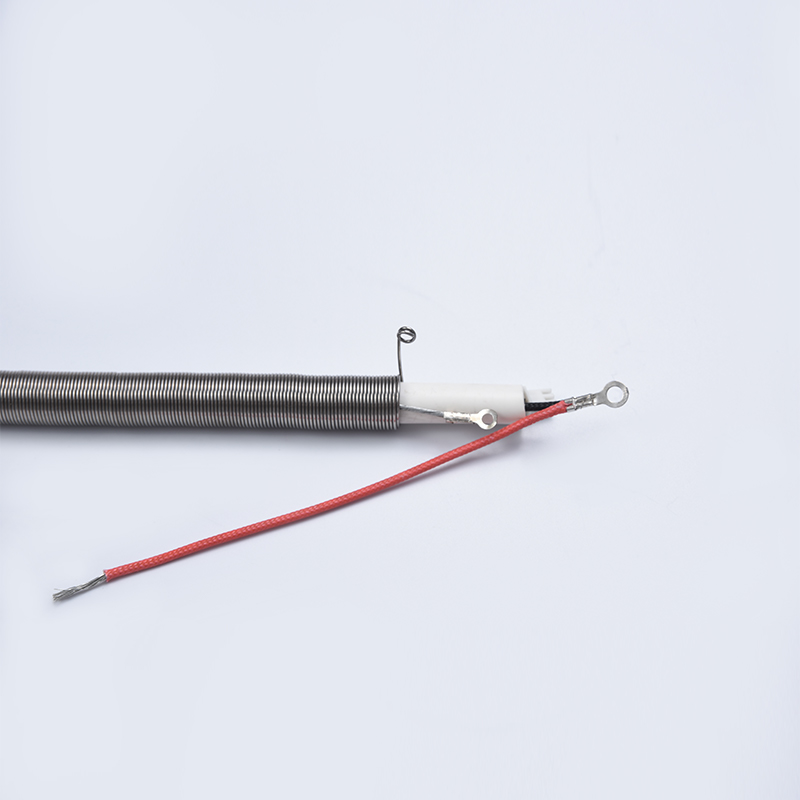
Few things are more frustrating during a hot summer afternoon or while hosting a dinner party than realizing your refrigerator has stopped producing ice. While many homeowners immediately assume the entire ice-making unit is broken, the problem is often much simpler—and more affordable to fix. In many cases, the culprit is a faulty or damaged Ice Maker Wiring Harness.
The wiring harness is the central nervous system of your ice maker. It delivers the electrical signals required to open the water valve, heat the mold for harvest, and rotate the ejector arms. Because this component is constantly exposed to freezing temperatures and occasional moisture, the wires can become brittle, connectors can corrode, or a "short" can occur.
If you are a handy homeowner looking to save on a professional service call, this guide will walk you through the entire process of replacing an Ice Maker Wiring Harness safely and effectively.
Understanding the Ice Maker Wiring Harness
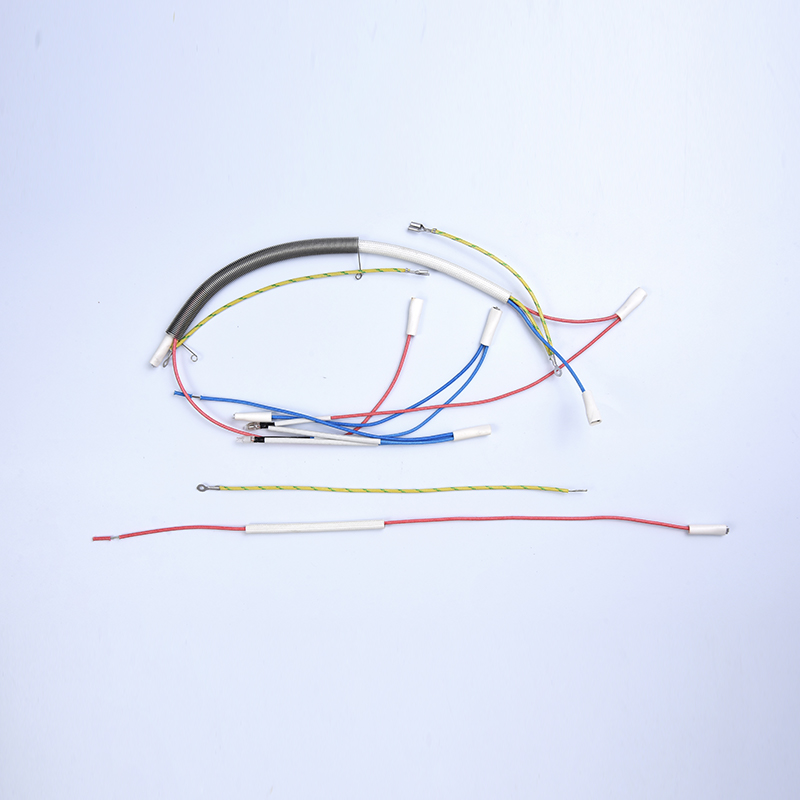
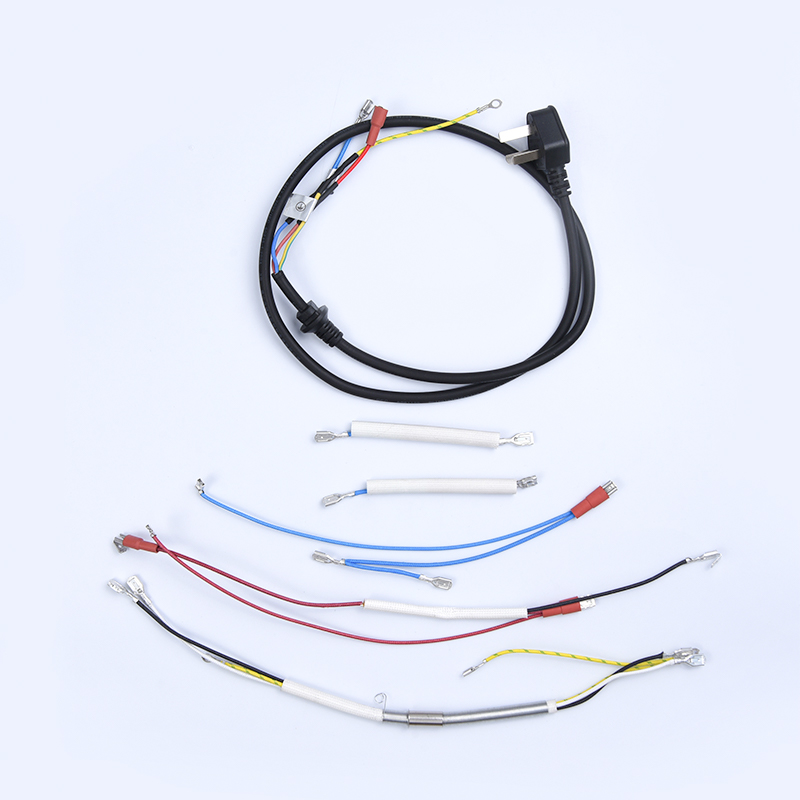
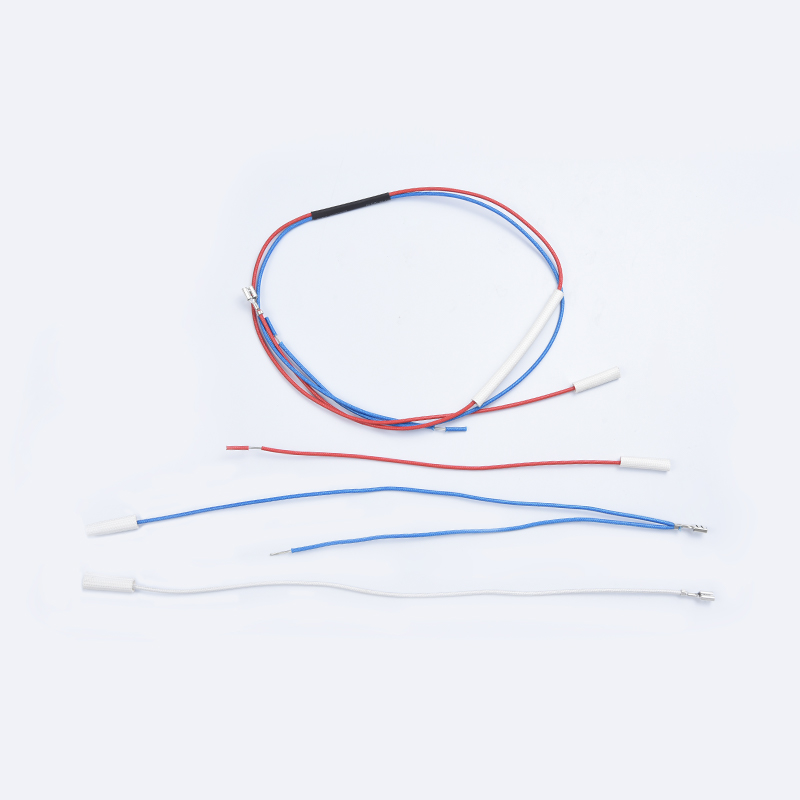
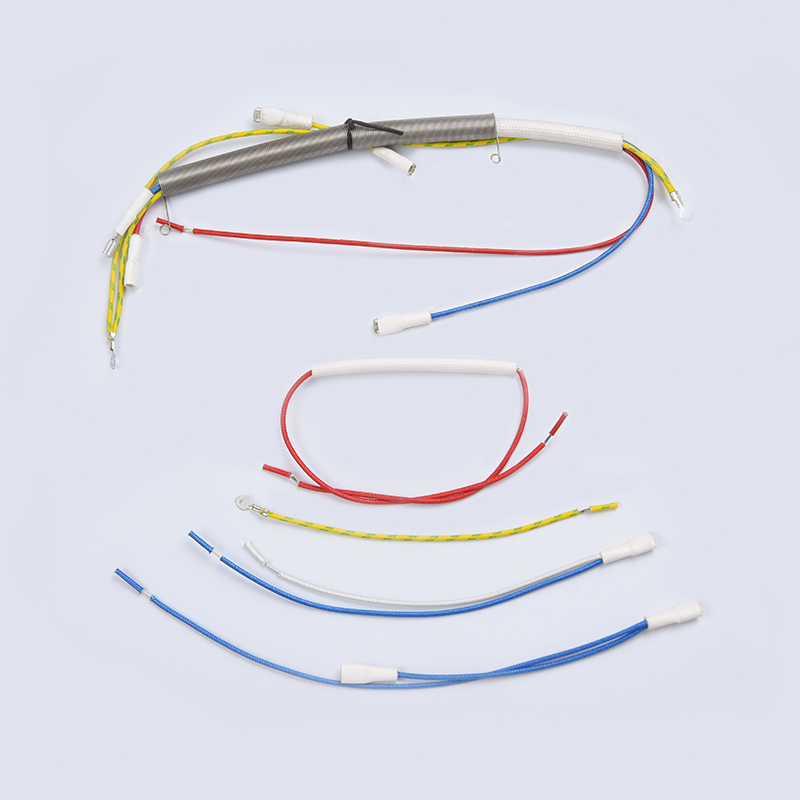
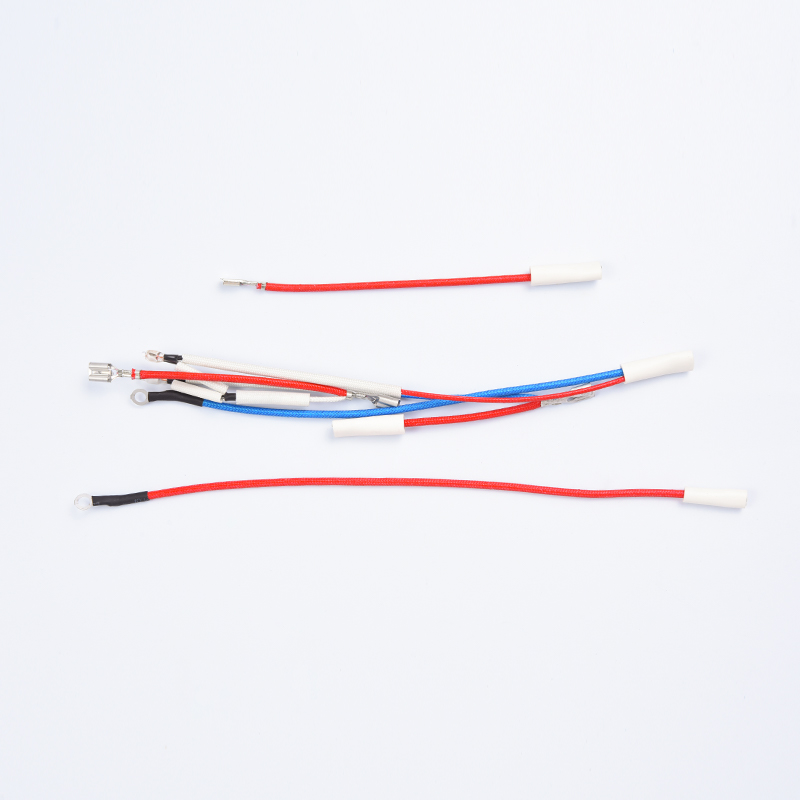
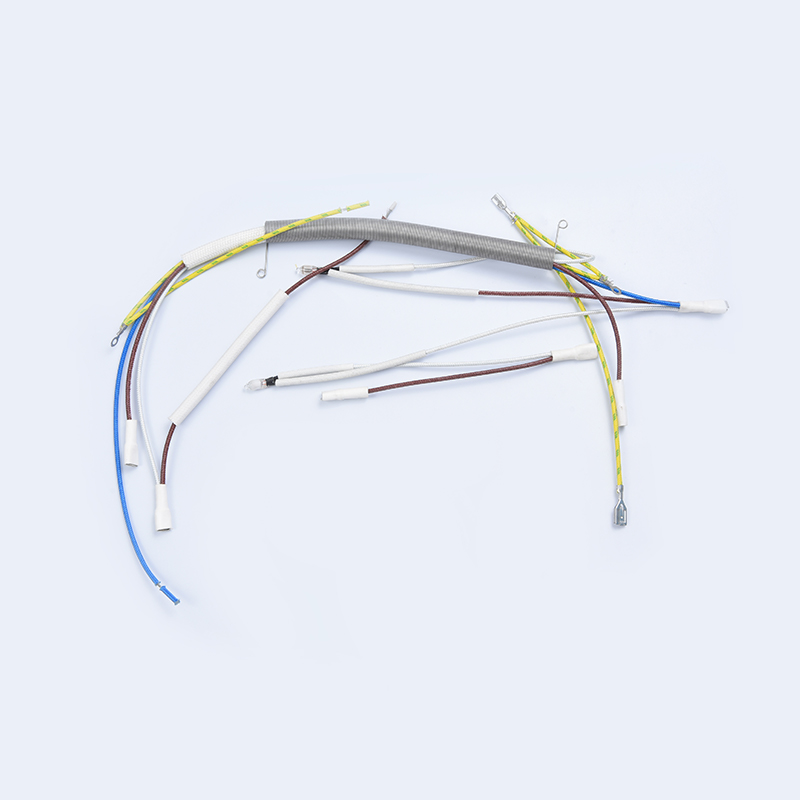
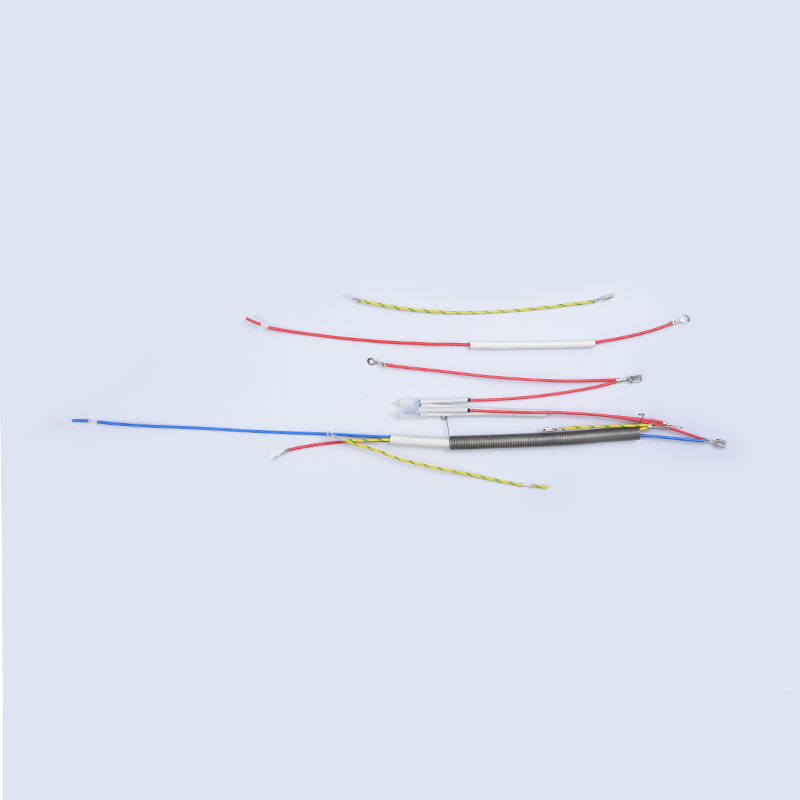
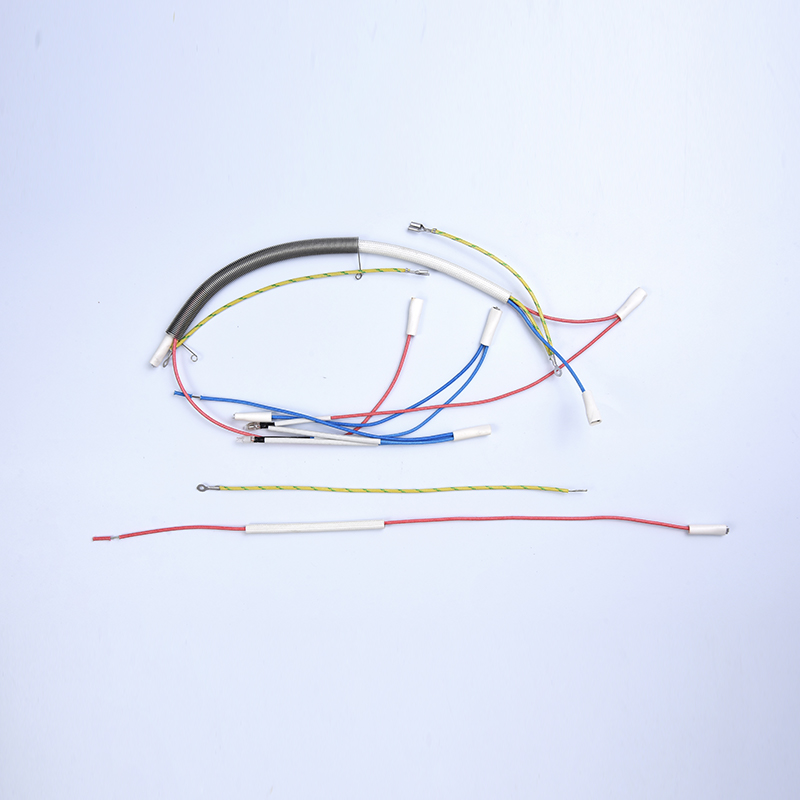
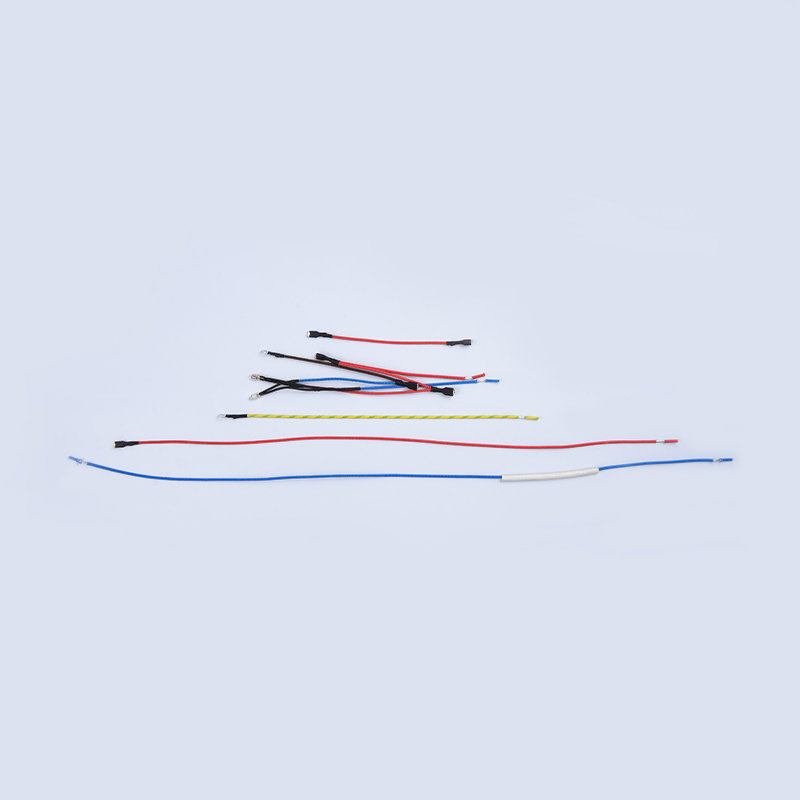
Before you roll up your sleeves, it is helpful to know what you are looking at. An Ice Maker Wiring Harness is a bundle of insulated wires organized by a protective sleeve or clip system. It features specific plastic connectors on either end—one side typically plugs into the refrigerator’s main power supply (the wall of the freezer), and the other side plugs directly into the ice maker module.
Why Do They Fail?
- Thermal Stress: The constant cycling between freezing temperatures and the small internal heater used to release ice cubes causes the wire insulation to expand and contract. Over several years, this can lead to cracks.
- Moisture Ingress: If a water line has a tiny leak or if frost buildup is excessive, moisture can seep into the plastic connectors, leading to terminal corrosion.
- Mechanical Wear: In some bottom-freezer models, the wiring harness must flex every time the drawer is opened and closed. Over time, this mechanical stress can snap the copper strands inside the wire.
Safety First: Preparing for the Repair
Whenever you are working with the internal electrical components of an appliance, safety is the absolute priority.
- Disconnect the Power: Unplug the refrigerator from the wall outlet. If the plug is inaccessible, turn off the corresponding circuit breaker in your home's electrical panel. Never work on a wiring harness while the unit is energized.
- Turn Off the Water: While we are primarily dealing with wires, it is a good habit to shut off the water supply line to the fridge to prevent accidental leaks if you have to move the unit.
- Organize Your Space: Clear out the frozen food near the ice maker. You will need room to move your hands and see the mounting screws.
- Gather Your Tools: You will likely need a ¼-inch nut driver, a flat-head screwdriver, a Phillips-head screwdriver, and perhaps a pair of needle-nose pliers.
How to Identify the Correct Replacement Part
You cannot simply use any wire for this repair. The Ice Maker Wiring Harness must be an exact match for your refrigerator's make and model.
To find the right part:
- 1. Locate the model number of your refrigerator (usually found on a sticker inside the refrigerator compartment or on the door frame).
- 2. Search for the "Ice Maker Parts Diagram" for that specific model.
- 3. Look for the harness part number. It will often look like a series of letters and numbers (e.g., WR23X10580 or DA96-00013A).
- 4. Pro Tip: Look at the "pins" in the connector. If your old harness has 6 pins but the new one has 4, it will not work, even if the wires look similar.
Step-by-Step Replacement Instructions
Step 1: Removing the Ice Bucket and Cover
Start by removing the ice storage bin to give yourself a clear view. If your ice maker has a decorative plastic cover or a light housing blocking the side, remove the securing screws and set the panels aside.
Step 2: Uninstalling the Ice Maker Unit
Most ice makers are held in place by two or three screws.
- Loosen the top screws (usually, you don't need to remove them entirely as the unit hangs on "keyhole" slots).
- Gently lift the ice maker unit up and away from the freezer wall.
- Be Careful: The unit is still connected by the old wiring harness. Do not let the ice maker hang by the wires, as this can damage the port on the refrigerator wall.
Step 3: Disconnecting the Old Wiring Harness
You will see the harness plugged into the back or side of the ice maker and into a socket in the freezer wall.
- Most connectors have a small plastic "locking tab." Press down on this tab with your thumb or a flat-head screwdriver while pulling the connector apart.
- If the harness is held against the wall with plastic clips, gently pry the clips open or slide the harness out.
Step 4: Installing the New Ice Maker Wiring Harness
Take your new Ice Maker Wiring Harness and compare it one last time to the old one.
- Plug the harness into the refrigerator wall socket first. You should hear a distinct "click" when the locking tab engages.
- Route the wires through the same path as the original. This is important to ensure the wires don't get pinched when you reinstall the ice maker or get caught in the ice-ejection mechanism.
- Plug the other end into the ice maker module.
Step 5: Remounting the Ice Maker
Align the keyhole slots on the ice maker with the screws on the freezer wall. Slide the unit down into place and tighten the screws firmly. Ensure the water fill tube is properly aligned with the water cup on the back of the ice maker; if it’s misaligned, water will spray inside your freezer instead of into the mold.
Testing the Repair
Once everything is back in place:
- Restore the power to the refrigerator.
- Turn the water supply back on.
- Ensure the ice maker "feel-arm" is in the DOWN (on) position.
- The Wait: It can take up to 24 hours for a refrigerator to reach the proper temperature and begin a new ice-making cycle. Don't be alarmed if you don't hear ice dropping within the first hour.
Pro Tip: Many modern ice makers have a "Test" or "Reset" button on the bottom or side. Press and hold this for a few seconds. If the wiring harness is installed correctly, the ice maker should perform a manual cycle, rotating the arms and filling with water.
Maintenance Tips for Your New Wiring Harness
To ensure your new Ice Maker Wiring Harness lasts as long as the refrigerator itself, follow these maintenance tips:
- Prevent Frost Build-up: If you notice heavy frost near the wiring, check your freezer door gasket. Air leaks cause frost, and frost can lead to moisture damage in the wire connectors.
- Secure the Wires: If the harness feels loose, use an appliance-grade zip tie to secure it away from moving parts.
- Keep it Dry: When cleaning your freezer, avoid spraying liquid cleaners directly onto the wiring connectors. Use a damp cloth instead.
When to Call a Professional
While replacing an Ice Maker Wiring Harness is a straightforward DIY task, some situations require an expert eye:
- If you see scorched or melted plastic on the wall socket (this indicates a deeper electrical issue in the main control board).
- If replacing the harness doesn't fix the problem (the issue might be the water inlet valve or the main logic board).
- If you are uncomfortable working with electrical connectors.