+86-0574-63316601


 中文简体
中文简体Content
In modern industrial, automotive, and residential heating systems, reliability and efficiency are essential. A properly functioning heater ensures comfort, safety, and optimal performance. At the heart of these systems, the wiring network plays a crucial role. Poor connections, complex installations, or frequent maintenance can lead to downtime and increased costs.
To address these challenges, the Heater Wiring Harness has emerged as an important component. Designed to organize, protect, and streamline electrical connections, this component simplifies installation and reduces ongoing maintenance requirements. Its use has grown across automotive HVAC systems, industrial heating equipment, and household appliances, demonstrating both practical and economic advantages.
Understanding the Heater Wiring Harness
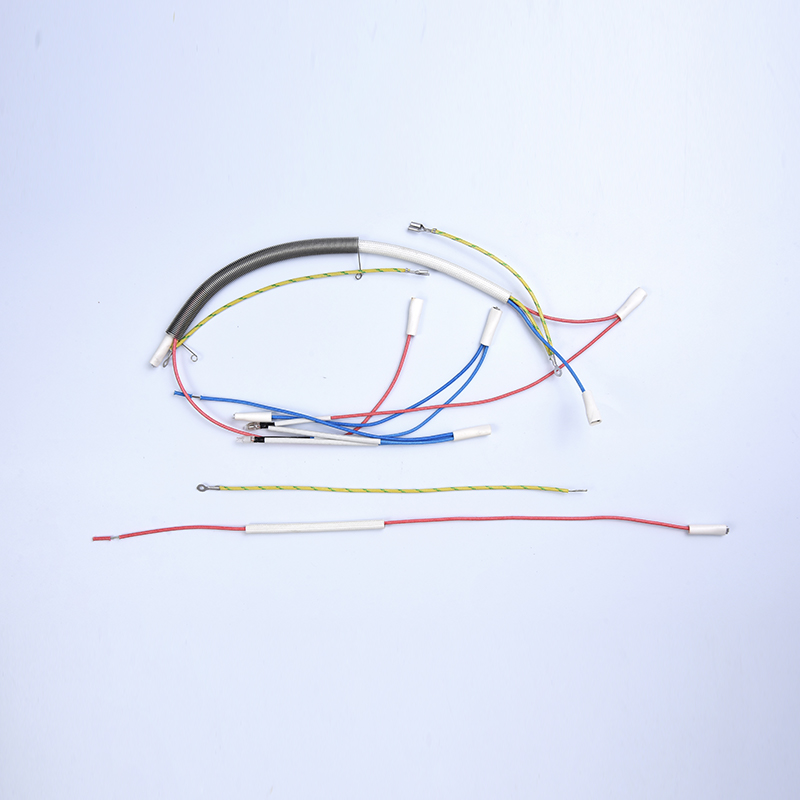
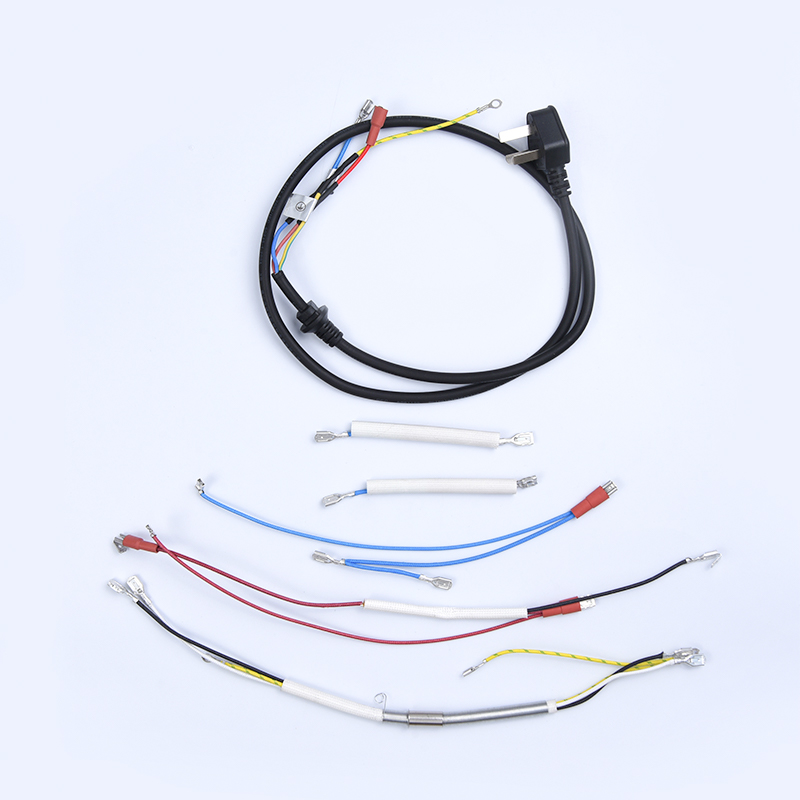
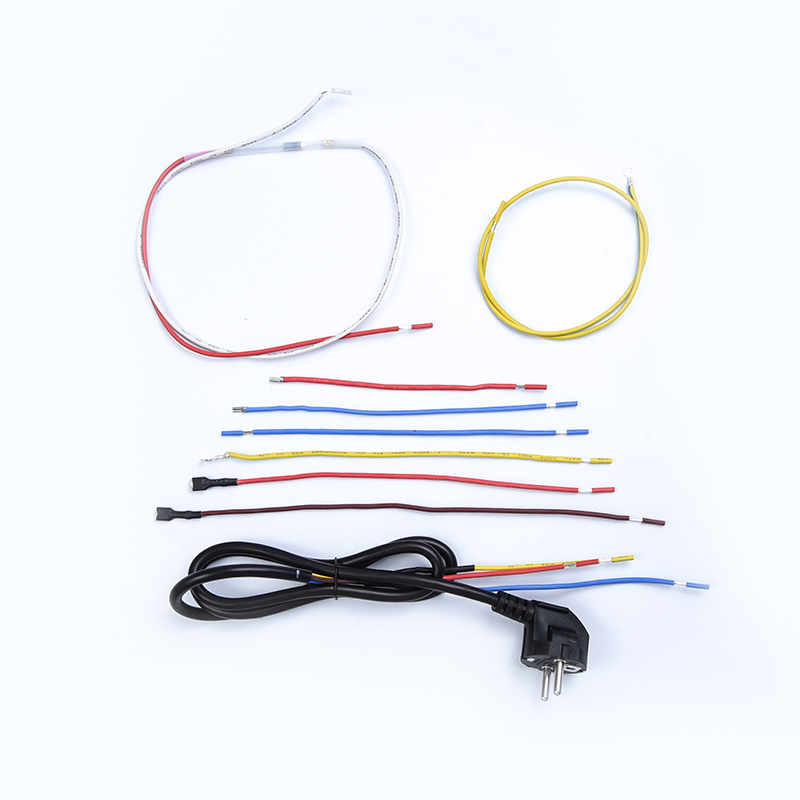
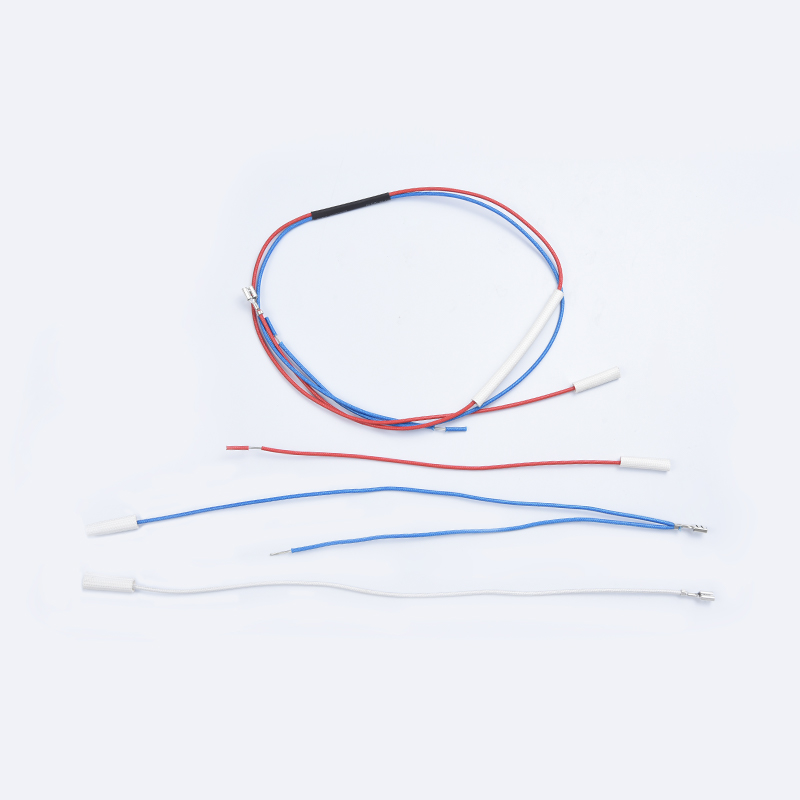
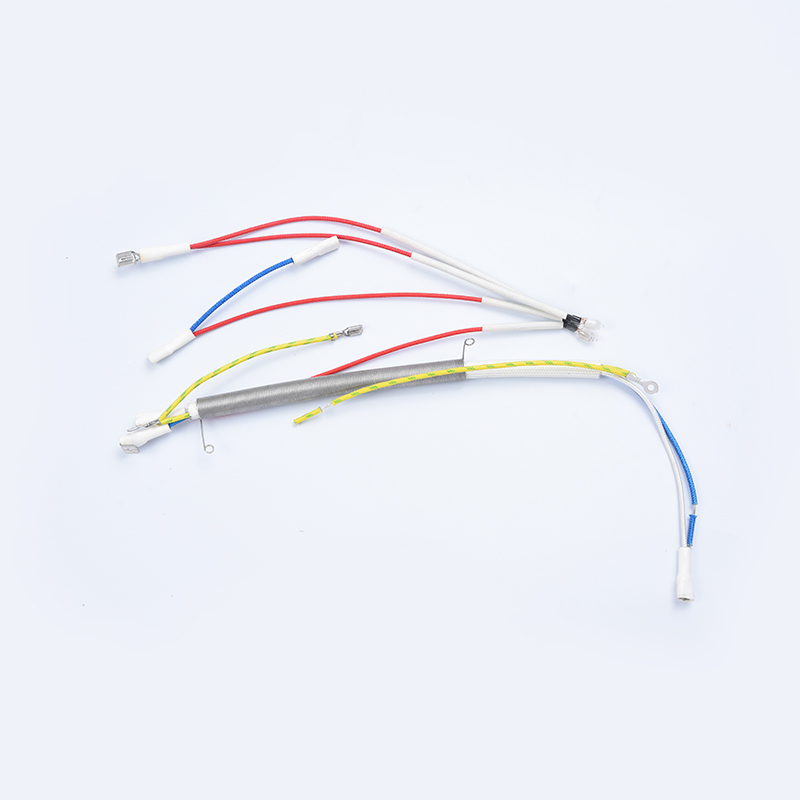
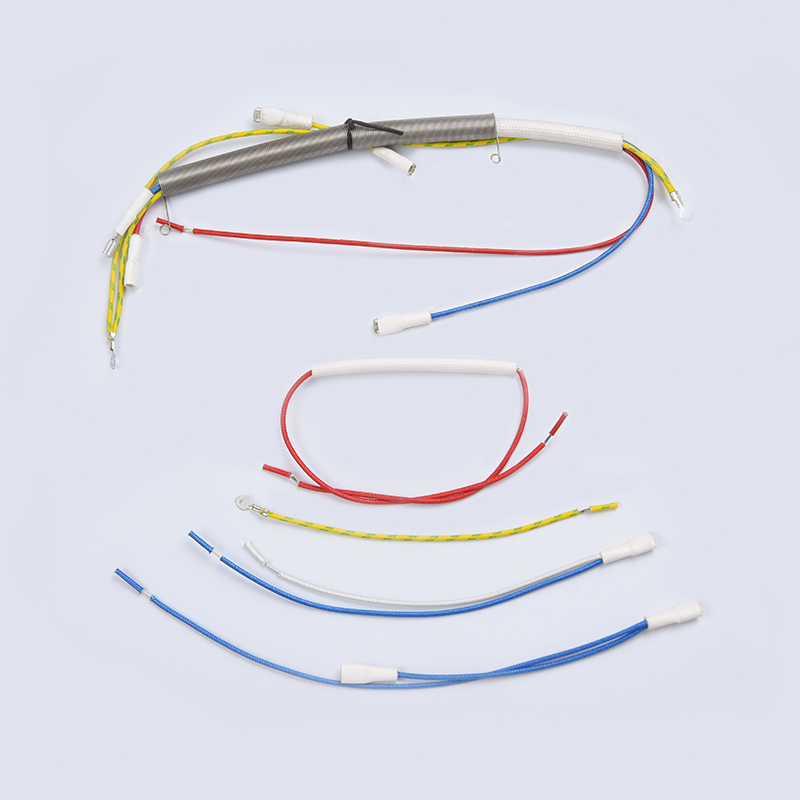
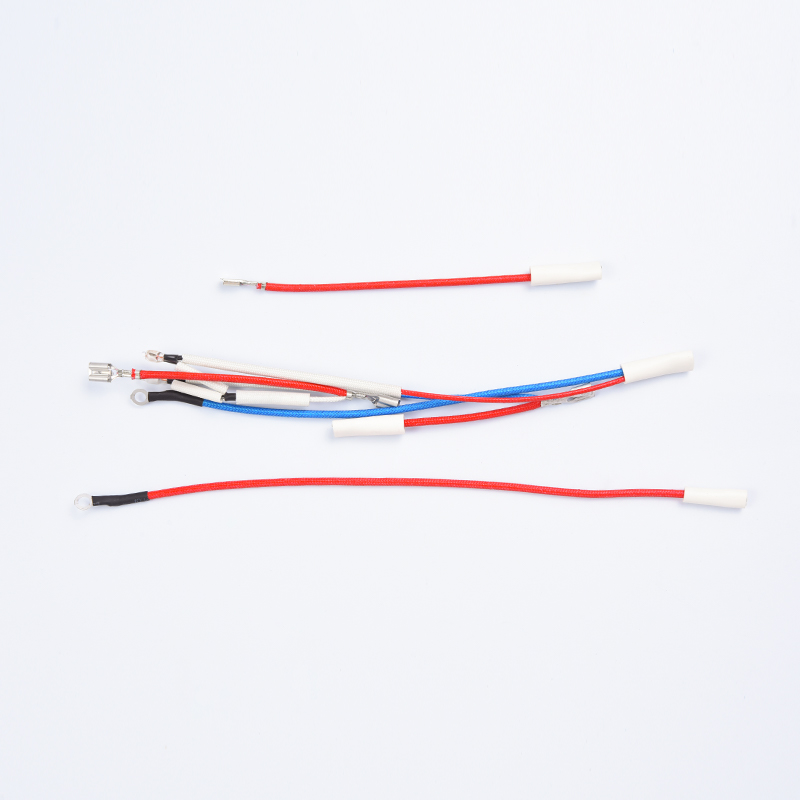
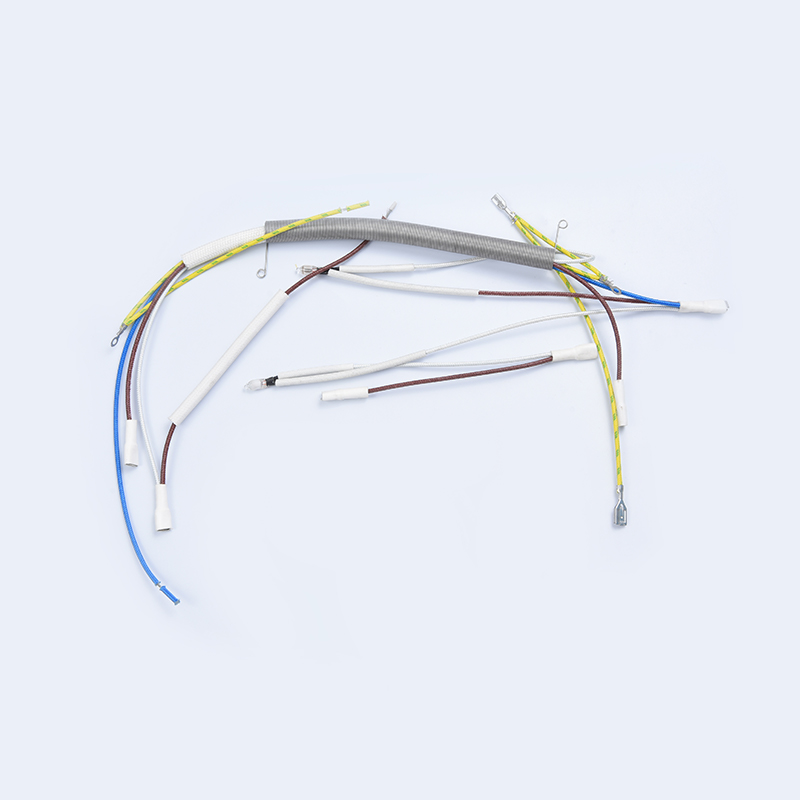
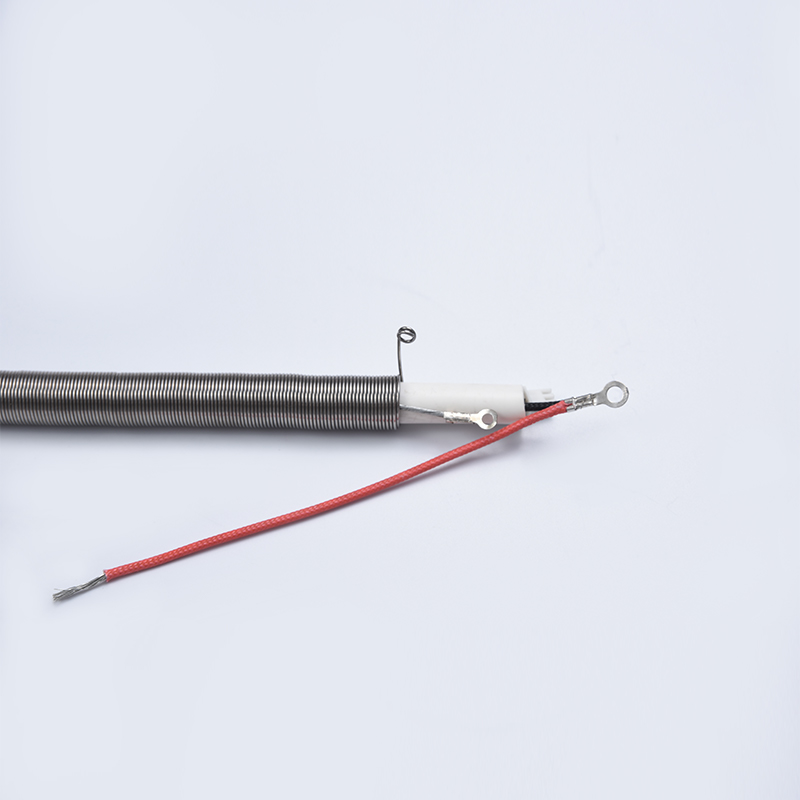
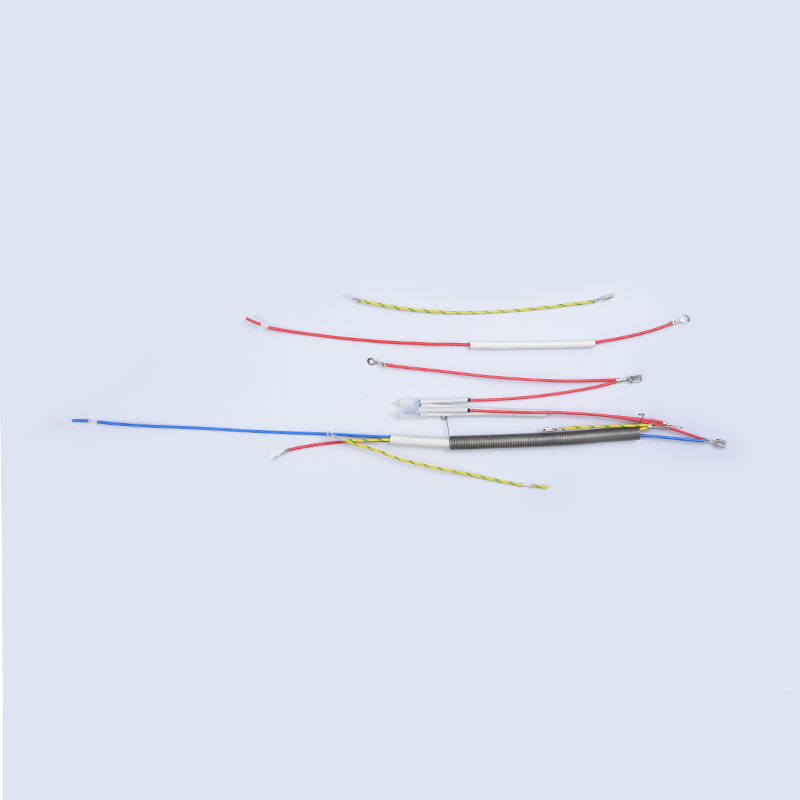
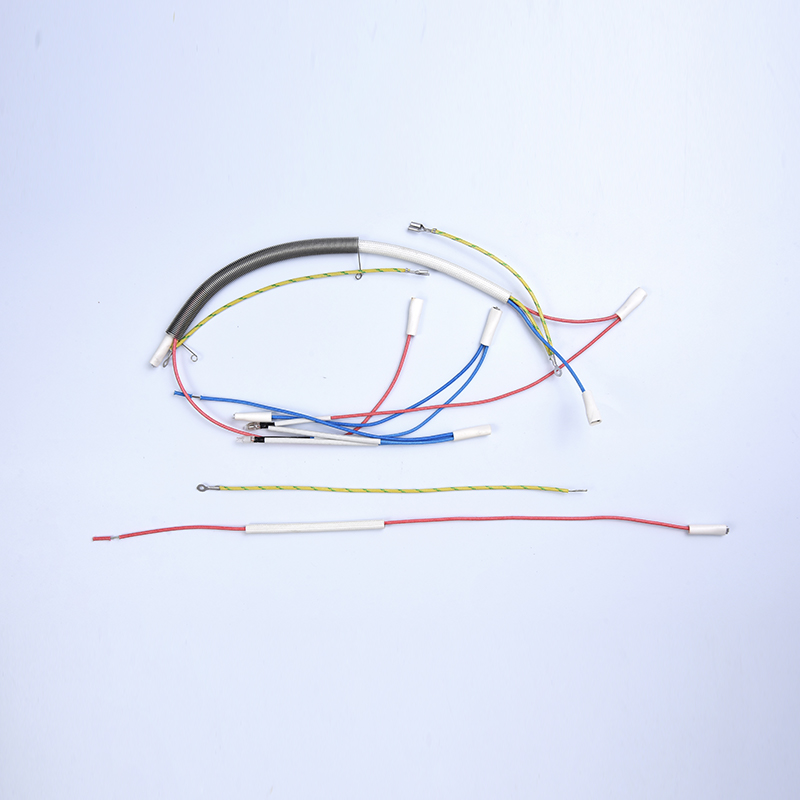
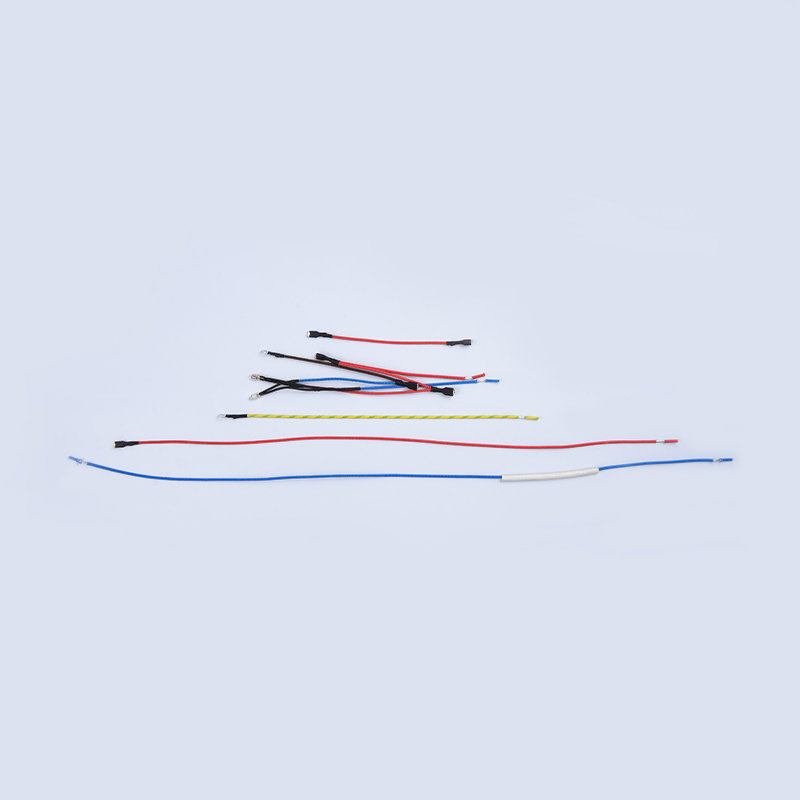
A Heater Wiring Harness is an assembly of wires, connectors, terminals, and protective insulation designed to transmit electrical power and signals to a heater unit. Unlike loose wires that require individual routing and connections, the wiring harness bundles the components into a pre-organized assembly.
The benefits of this structure are clear. By providing a preconfigured pathway for electricity, the harness ensures that the heater receives consistent power without errors. It also minimizes the risk of loose connections, electrical shorts, or interference, which can compromise performance and safety.
In essence, a Heater Wiring Harness functions as the backbone of the heating system’s electrical network, delivering energy efficiently while simplifying the installation process.
Reducing Installation Time
One of the main advantages of a Heater Wiring Harness is its ability to save time during installation. Traditional setups often require technicians to route individual wires, connect terminals, and ensure that each connection is secure. This process is time-consuming and prone to errors, particularly in complex systems with multiple circuits.
By contrast, a Heater Wiring Harness comes preassembled and labeled, ready to be installed as a single unit. Installers can simply connect the harness to the heater and power source using designed connectors. This significantly reduces the amount of time required for installation.
For automotive manufacturers, this efficiency translates into faster assembly lines. In industrial applications, it allows technicians to complete maintenance or replacement work more quickly, reducing system downtime. Even in residential applications, preassembled harnesses simplify installation for service personnel, ensuring that heaters are operational sooner.
Overall, faster installation contributes to reduced labor costs and improved operational efficiency.
Improving Reliability and Safety
A well-designed Heater Wiring Harness not only saves time but also enhances system reliability and safety. Electrical shorts, disconnected wires, or incorrect connections can cause equipment failure or safety hazards.
Harnesses are engineered with protective insulation, high-quality connectors, and secure routing paths. This reduces the likelihood of wire damage due to vibration, heat, or environmental exposure. Additionally, color-coded wires and standardized connectors help prevent incorrect installation.
In automotive HVAC systems, for example, a reliable wiring harness ensures that the heater operates consistently even under demanding conditions. In industrial heaters, it minimizes the risk of electrical faults that could disrupt production. For household appliances, it contributes to safer and longer-lasting operation.
By reducing installation errors and exposure to damage, the Heater Wiring Harness enhances both reliability and safety, offering peace of mind to manufacturers, technicians, and end-users.
Reducing Maintenance Requirements
Maintenance is a key factor in the long-term cost and performance of any heating system. Loose wires, corrosion, or wear and tear can lead to frequent repairs. With traditional wiring, identifying the source of a problem often requires time-consuming inspections and troubleshooting.
A Heater Wiring Harness simplifies maintenance in several ways:
-
Organized Layout: Bundled wires are easier to inspect and trace, allowing technicians to quickly locate faults.
-
Durable Materials: High-quality insulation and corrosion-resistant connectors extend the life of the wiring, reducing the frequency of replacements.
-
Standardized Connections: Pre-configured connectors reduce the risk of improper reconnection after maintenance.
As a result, routine checks and repairs are faster and more straightforward. This reduces both labor costs and downtime, making the heating system more efficient over its lifetime.
Applications Across Industries
The versatility of the Heater Wiring Harness makes it valuable in multiple sectors:
Automotive Industry
Modern vehicles rely on complex heating, ventilation, and air conditioning (HVAC) systems. These systems include heaters, blower motors, sensors, and control modules. The Heater Wiring Harness integrates these components, providing a reliable electrical connection while simplifying assembly.
Manufacturers benefit from consistent performance across production lines, and service technicians can replace or repair harnesses without needing to rewire individual circuits.
Industrial Heating Systems
Factories, warehouses, and process facilities often use electric heaters for environmental control, equipment heating, or chemical processing. Heater Wiring Harnesses help ensure that electrical power reaches each heater efficiently. Durable harness designs withstand vibration, high temperatures, and exposure to industrial environments, reducing the likelihood of faults.
Residential and Commercial HVAC
Home and commercial heating systems also benefit from wiring harnesses. Whether for wall-mounted heaters, boilers, or air-handling units, preassembled harnesses make installation quicker and maintenance easier. This is particularly useful for service companies that manage multiple installations across different sites.
Specialty Applications
Other applications include laboratory heaters, automotive seat heaters, marine heating systems, and outdoor equipment. In each scenario, the harness provides organized and protected wiring to support reliable operation.
Advancements in Heater Wiring Harness Technology
Recent developments in Heater Wiring Harness design have further enhanced their performance and ease of use:
-
Heat-Resistant Materials: New insulation materials withstand higher operating temperatures, reducing degradation over time.
-
Flexible Routing: Modern harnesses can be shaped to fit confined or complex spaces, increasing compatibility with different systems.
-
Integrated Connectors: Snap-in or quick-release connectors allow fast installation and disassembly without specialized tools.
-
Color-Coding and Labels: Clear identification reduces installation errors and simplifies future maintenance.
-
Protective Sleeving: Additional sleeves shield wires from abrasion, moisture, and chemical exposure.
These advancements make the harness more durable, easier to work with, and suitable for a broader range of applications.
Cost and Efficiency Benefits
The combination of reduced installation time, simplified maintenance, and improved reliability translates into tangible benefits for manufacturers and end-users:
-
Lower Labor Costs: Faster installation means less time spent by skilled technicians.
-
Reduced Downtime: Reliable connections minimize equipment failures and production interruptions.
-
Extended Equipment Life: Protected wiring reduces the likelihood of damage or early replacement.
-
Improved Safety: Proper insulation and secure connections reduce fire and electrical hazard risks.
Over the lifespan of a heating system, these advantages make the Heater Wiring Harness a cost-effective and practical choice.
Choosing the Right Heater Wiring Harness
Selecting an appropriate harness depends on several factors:
-
Compatibility: Ensure the harness matches the heater’s voltage, power requirements, and connectors.
-
Environmental Conditions: Consider exposure to heat, moisture, chemicals, or vibration.
-
Length and Routing: Verify that the harness can reach all necessary components without stretching or bending excessively.
-
Standards and Certification: Check for compliance with industry standards for electrical safety and performance.
By carefully selecting a suitable harness, manufacturers and service providers can maximize efficiency and reliability.