+86-0574-63316601


 中文简体
中文简体Content
- 1 What a Kitchen Appliance Wiring Harness Does
- 2 Core Components of a Kitchen Appliance Wiring Harness
- 3 Harness Design Differences Across Kitchen Appliances
- 4 Safety Standards Governing Kitchen Appliance Wiring Harnesses
- 5 Common Failure Modes and How to Identify Them
- 6 Replacing a Kitchen Appliance Wiring Harness
- 7 Selecting a Quality Wiring Harness for Kitchen Appliances
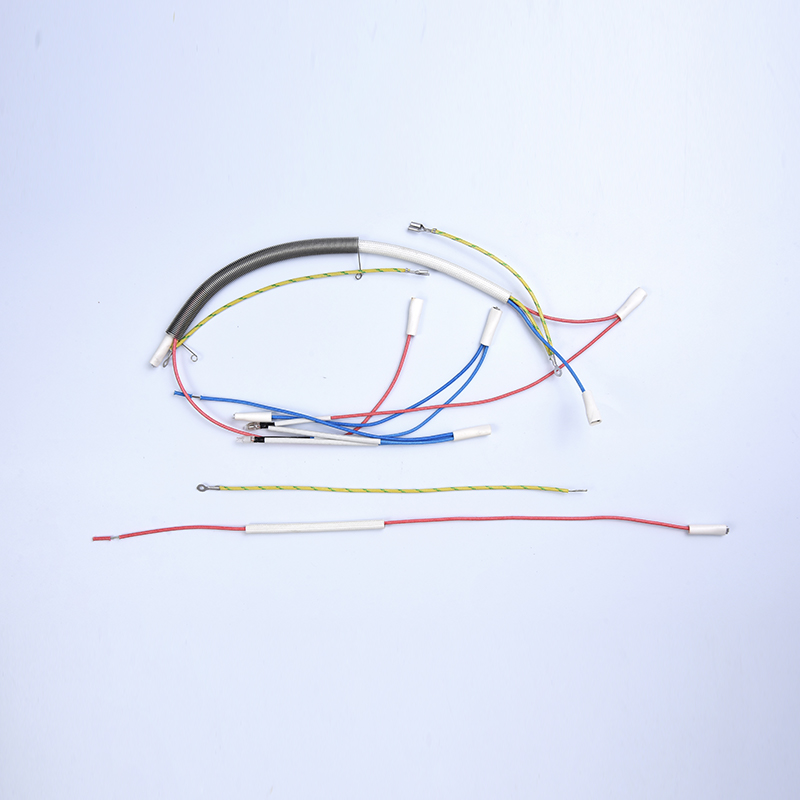
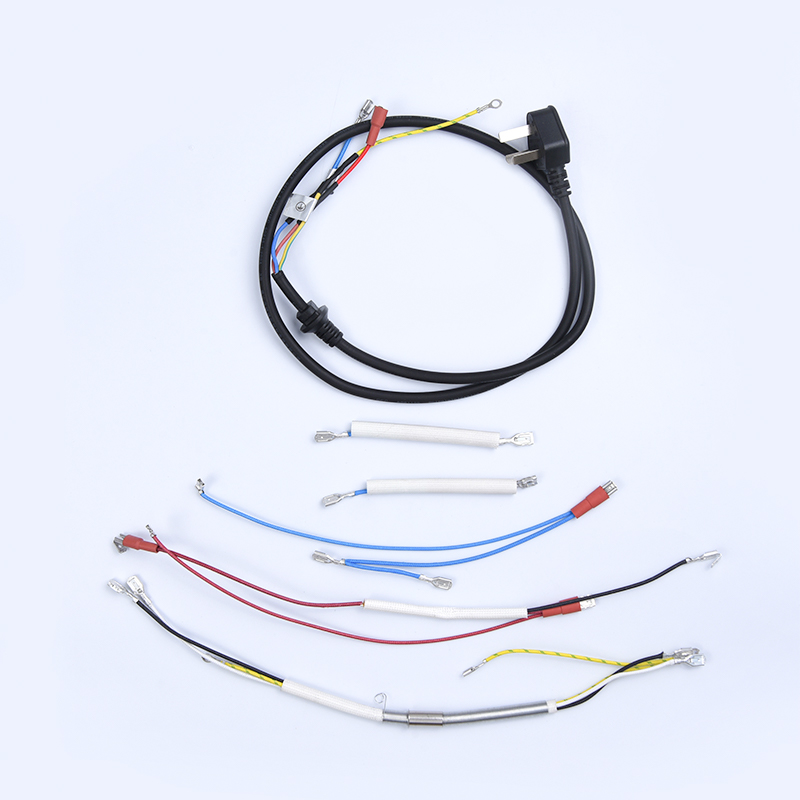
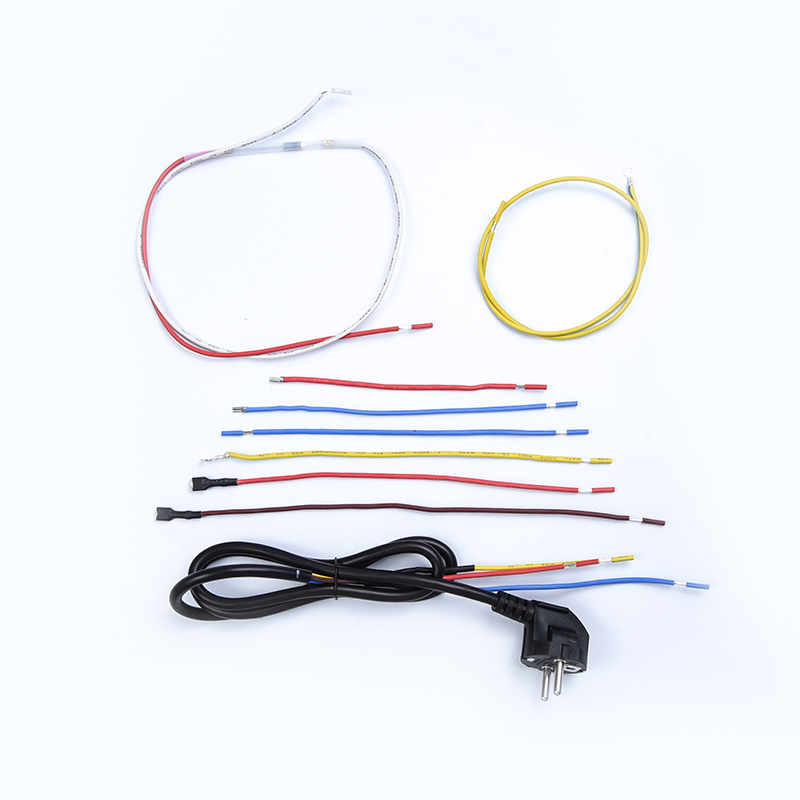
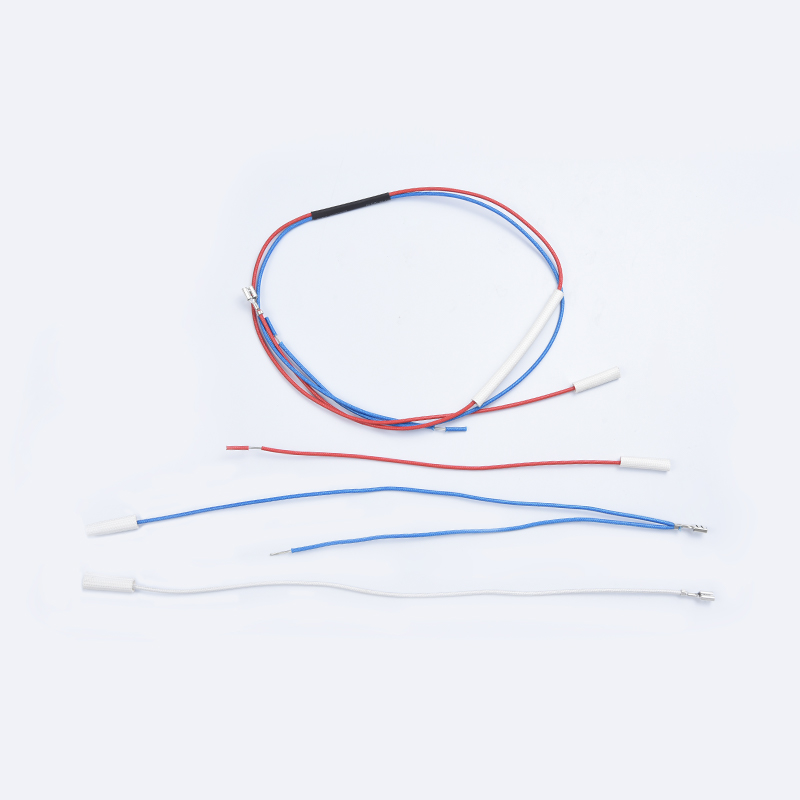
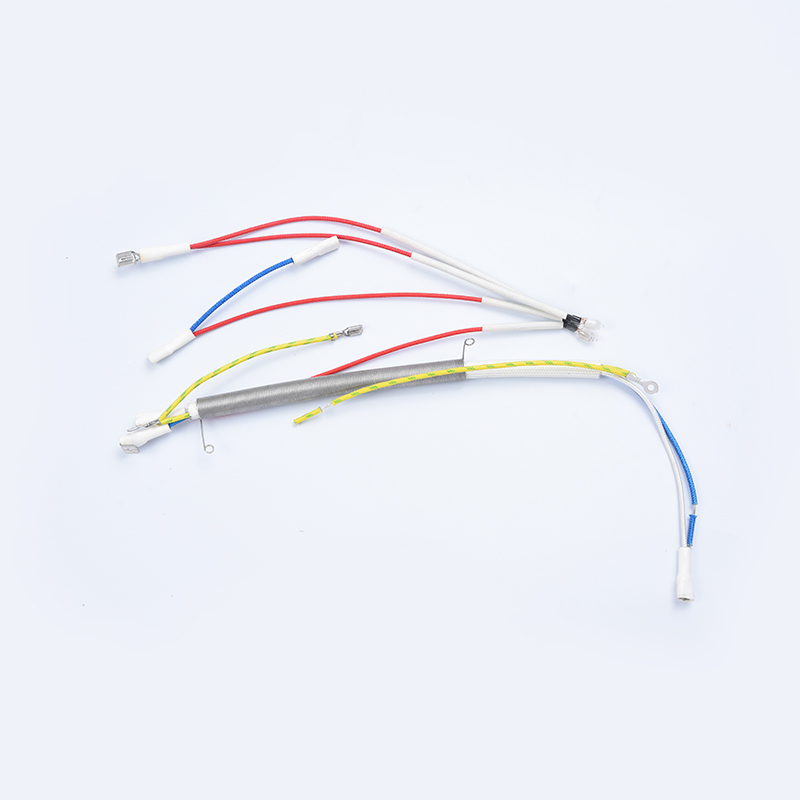
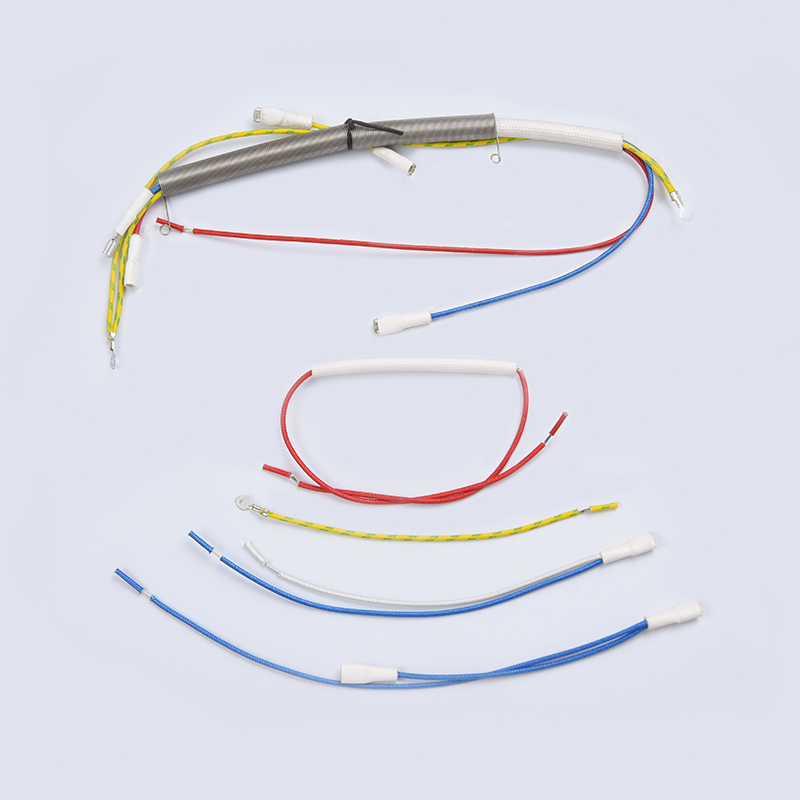
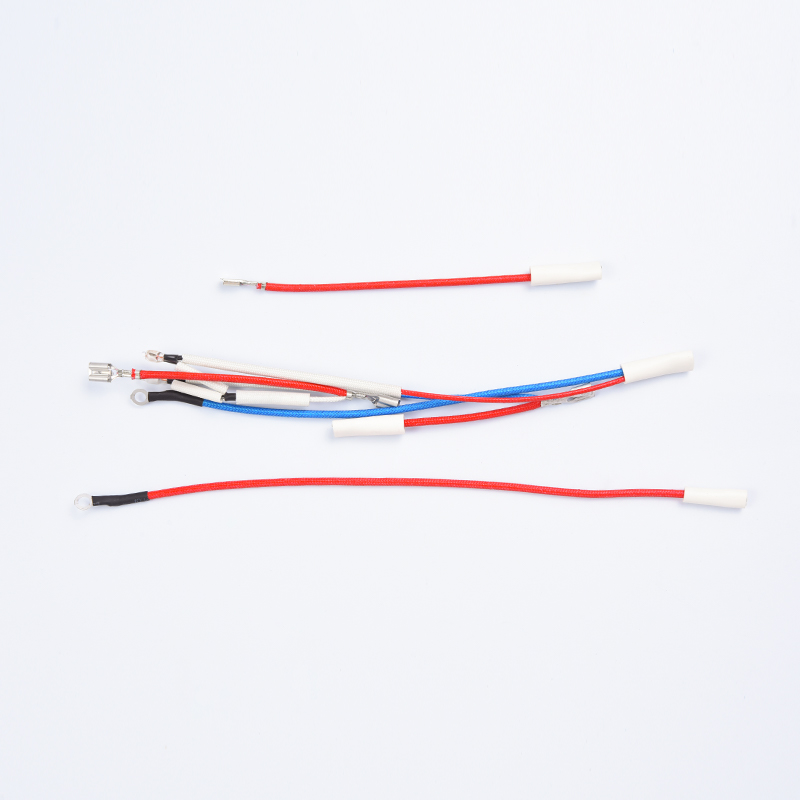
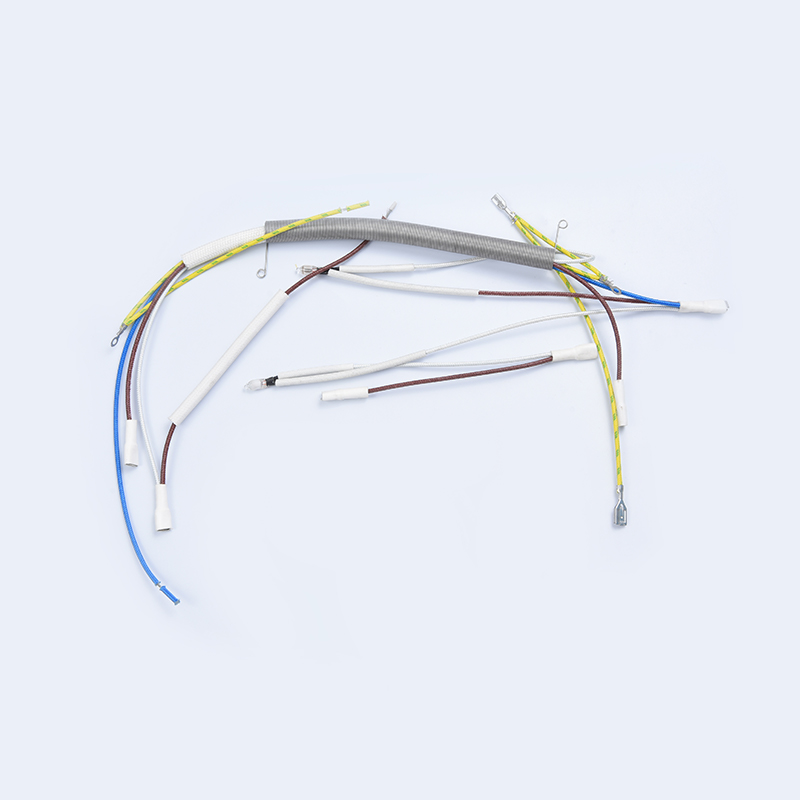
A kitchen appliance wiring harness is a structured assembly of insulated wires, connectors, terminals, and protective sleeving that routes electrical power and control signals between the components of a kitchen appliance. It is not simply a bundle of loose wires — it is a purpose-engineered subsystem that determines whether a refrigerator, dishwasher, oven, or microwave operates safely, reliably, and in compliance with electrical safety standards. In most modern kitchen appliances, the wiring harness accounts for 15–25% of total manufacturing cost and is the component most frequently implicated in appliance fires and field failures.
What a Kitchen Appliance Wiring Harness Does
The wiring harness serves three distinct functions simultaneously. First, it delivers power — carrying mains voltage (typically 120V AC in North America or 220–240V AC in Europe) from the appliance inlet to heating elements, motors, compressors, and control boards. Second, it carries low-voltage control signals between sensors, thermostats, user interface panels, and electronic control units (ECUs). Third, it provides mechanical organization — routing conductors away from hot surfaces, moving parts, and water ingress points to prevent physical damage over the appliance's service life.
A single domestic dishwasher wiring harness, for example, may contain 30–60 individual conductors, up to 20 connectors, and branch circuits serving the wash pump motor, drain pump, heating element, door latch, water inlet valve, NTC temperature sensor, and control board — all within a harness that must survive repeated exposure to steam, vibration, and detergent aerosol for 10–15 years.
Core Components of a Kitchen Appliance Wiring Harness
Conductors and Wire Gauges
Wire gauge selection is driven by the current load of each circuit. Kitchen appliances use a wide range of gauges within a single harness:
| Circuit Type | Typical AWG (US) | Cross-Section (mm²) | Max Current (A) |
|---|---|---|---|
| Heating element (oven/dishwasher) | 10–12 AWG | 2.5–4.0 | 20–30 |
| Motor (pump, fan, compressor) | 14–16 AWG | 1.0–1.5 | 10–15 |
| Control board / sensor signal | 20–24 AWG | 0.2–0.5 | 0.5–3 |
| Ground / earth | 12–14 AWG | 1.5–2.5 | ≥ circuit maximum |
Conductors are almost universally stranded copper for flexibility, since solid wire fatigues and fractures under the vibration cycles common in washing, refrigeration, and cooking appliances. Tinned copper stranding is specified in high-humidity zones — such as dishwasher base cabinets — to prevent oxidation from condensation.
Insulation Materials
Insulation selection depends on the thermal environment of each harness branch:
- PVC (polyvinyl chloride): The standard insulation for ambient-temperature circuits. Rated typically to 105°C, suitable for refrigerator interior wiring, control panel leads, and door hinge areas.
- XLPE (cross-linked polyethylene): Offers superior thermal resistance up to 125–150°C and better moisture resistance than PVC. Used in dishwasher heater circuits and oven door wiring.
- Silicone rubber: Specified for wires routed near oven heating elements or convection fan housings where temperatures routinely reach 200–260°C. Silicone remains flexible at both extremes — down to −60°C — and does not emit toxic fumes when overheated.
- PTFE (Teflon): Used for high-temperature sensor leads in commercial-grade cooking equipment, rated to 260°C continuous. More expensive than silicone but with superior chemical resistance.
Connectors and Terminals
Connectors in kitchen appliance harnesses must resist moisture, heat cycling, and vibration while maintaining reliable electrical contact over thousands of connection-disconnection cycles during manufacturing and service. The most common connector families include:
- Faston (spade) terminals: Fast-connect push-on terminals used for heating elements, thermostats, and single-wire component connections. Available in 2.8 mm, 4.8 mm, and 6.3 mm blade widths to match component tab sizes.
- Multi-pin housings (e.g., Molex, JST, AMP): Used for control board connections where multiple signals must be bundled. Polarized housings prevent incorrect insertion during assembly.
- Sealed connectors (IP67 or IP68 rated): Required in dishwasher sump areas and under-sink environments. Silicone seals around each terminal pin prevent water intrusion even under spray pressure.
Protective Sleeving and Conduit
Unprotected wire bundles in kitchen environments are vulnerable to abrasion, heat, oil contamination, and rodent damage. Harness protection systems include:
- Corrugated split conduit: The most common harness protection, snap-fitted over bundled wires to protect against mechanical damage and provide a clean routing path. Available in PA6, PA12, and PP grades for temperature resistance from 80°C to 150°C.
- Braided fiberglass sleeving: Applied over individual high-temperature leads near oven elements. Rated to 500°C and resistant to molten metal splash.
- PET expandable sleeving: Used in refrigerator and microwave harnesses for a compact, flexible bundle that expands over connectors without tools.
- Heat-shrink tubing: Applied at splice points and connector entries to provide strain relief and environmental sealing.
Harness Design Differences Across Kitchen Appliances
Refrigerator Wiring Harness
A refrigerator harness must operate continuously for 10–20 years in an environment where the door is opened hundreds of times per year (flexing the door hinge wire loop), defrost cycles create temperature swings from −30°C to +50°C, and compressor vibration is constant. Key design features include a flexible pigtail loop at the hinge point (typically 200–300 mm of extra wire length in a coiled arrangement), vibration-resistant tie points near the compressor, and UL-recognized wire for the US market or HAR-coded wire for European compliance.
Dishwasher Wiring Harness
Dishwasher harnesses operate in the harshest kitchen environment — combining hot water, steam, detergent aerosol, and vibration. The harness must be fully moisture-sealed in the base tub area, with IP67-rated connectors at the wash pump, drain pump, and inlet valve. Control board connections above the door use standard multi-pin housings. Heater leads use XLPE or silicone insulation rated to at least 125°C. Harness routing avoids any contact with the door hinge mechanism or drum rotation zone.
Oven and Range Wiring Harness
Oven harnesses face the most severe thermal demands of any domestic appliance. Wires routed near bake and broil elements must use silicone or fiberglass-insulated conductors rated to 200°C or higher. The control panel harness — located in the cooler rear cavity — may use standard PVC. A critical design requirement is thermal segregation: high-temperature leads must never be bundled with low-temperature control wires, as heat transfer through the bundle can degrade signal wire insulation over time. The earth/ground conductor must be routed to every metallic component — door, oven cavity, burner grates — to comply with UL 858 and IEC 60335-2-6.
Microwave Oven Wiring Harness
Microwave harnesses are compact but electrically demanding. The magnetron supply circuit carries 4,000–5,000V DC from the high-voltage transformer to the magnetron — requiring specialized high-voltage wire with thick, highly dielectric insulation (typically PVC or PE rated to 5kV or above). This HV section is physically segregated from the low-voltage control harness and uses dedicated single-pin push-on connectors that can only be mated in one orientation. Incorrect reassembly of the HV harness is a leading cause of microwave field failures and represents a serious shock hazard during service.
Safety Standards Governing Kitchen Appliance Wiring Harnesses
Kitchen appliance wiring harnesses must comply with multiple overlapping safety standards depending on the market:
| Standard | Region | Scope |
|---|---|---|
| UL 758 | USA / Canada | Appliance wiring material (wire and cable) |
| IEC 60335-1 | Global | General safety for household appliances |
| IEC 60227 / 60245 | Global | PVC and rubber-insulated cables for appliances |
| RoHS Directive | European Union | Restriction of hazardous substances in wire insulation and connector materials |
| GB 5023 / GB 5013 | China | PVC and rubber insulated wire for household appliances |
Compliance is verified through a combination of material certification (each wire type carries a recognized rating mark), appliance-level testing (dielectric strength, earth continuity, abnormal operation), and production line quality audits. A harness assembly using non-certified wire — even if dimensionally correct — can void the appliance's safety certification and expose the manufacturer to product liability.
Common Failure Modes and How to Identify Them
Understanding how kitchen appliance wiring harnesses fail helps engineers design more robust systems and technicians diagnose faults efficiently:
- Insulation thermal degradation: PVC insulation routed too close to heating elements becomes brittle and cracks after repeated heat cycling. Cracked insulation creates short-circuit risk. Identifiable by discoloration, brittleness, or visible cracking on the wire jacket.
- Connector corrosion: Moisture ingress into unsealed connectors — common in under-dishwasher environments — causes terminal oxidation, increased contact resistance, and intermittent circuit faults. Symptom: appliance functions intermittently, especially after steam exposure.
- Hinge wire fatigue fracture: Repeated bending at refrigerator or oven door hinges causes individual strands to break progressively. Full circuit failure occurs when the final strand breaks. Symptom: door light or ice maker fails only when door is in certain positions.
- Rodent damage: Mice and rats are attracted to the warmth of kitchen appliances and can chew through harnesses rapidly. A single incisor cut through a live conductor can cause immediate arc faulting or fire. Symptoms: sudden total failure, burn smell, visible chew marks.
- Terminal back-out: Poorly crimped or vibration-loosened terminals partially withdraw from connector housings, causing intermittent high-resistance connections that generate localized heat. Identified by discoloration or melting of the connector housing around the affected terminal.
Replacing a Kitchen Appliance Wiring Harness
When a harness fails beyond repair — due to fire damage, rodent attack, or widespread insulation degradation — replacement with an OEM or equivalent-specification harness is the safest course. The replacement process follows a consistent sequence regardless of appliance type:
- Disconnect the appliance from mains power and, for gas ranges, from the gas supply. Allow the appliance to cool completely before opening.
- Photograph the existing harness routing from multiple angles before disconnecting any connector. This is the most important step — incorrect reassembly routing is the leading cause of post-repair failures.
- Label each connector with masking tape and a marker before disconnection, noting both the connector designation and the component it serves.
- Release all cable ties, conduit clips, and routing brackets. Note their positions for reinstallation.
- Disconnect all terminals and connectors, working systematically from one end of the harness to the other.
- Compare the replacement harness against the removed unit — verify connector count, wire count, overall length, and branch positions before installation.
- Route the new harness following the original path, ensuring minimum 25 mm clearance from heating elements and moving parts, and securing with all original routing clips and ties.
- Connect all terminals and verify each connector is fully seated — a click or tactile confirmation of locking tab engagement is required for multi-pin housings.
- Before restoring power, perform a continuity check on all circuits and an insulation resistance test at 500V DC between live conductors and the appliance earth. Readings below 1 MΩ indicate a fault requiring investigation.
Selecting a Quality Wiring Harness for Kitchen Appliances
For OEM manufacturers, custom harness builders, and repair professionals, the following criteria distinguish a reliable kitchen appliance wiring harness from a substandard one:
- Wire certification marks: Each wire should carry a UL recognition mark, VDE mark, or equivalent — not just a printed claim. Verify by cross-referencing the wire's type code against the certifying body's online database.
- Crimp quality: Terminals should be machine-crimped to the wire conductor with a calibrated applicator tool, producing a gas-tight connection. Hand-crimped or poorly calibrated crimps are the single most common source of harness field failures.
- Connector brand and grade: Specify recognized connector brands (TE Connectivity, Molex, JST, Delphi) rather than unbranded alternatives. Contact retention force — the force required to back a terminal out of its housing — should meet the connector manufacturer's specification, typically ≥ 40 N for appliance-grade housings.
- Thermal documentation: The harness manufacturer should provide a temperature rating for each harness branch, matched to the appliance's thermal map. Harnesses without thermal zoning documentation are unsuitable for oven or dishwasher applications.
- Electrical test records: Production harnesses should be 100% electrically tested — continuity, insulation resistance, and connector seating — before shipment. Request test report samples or audit test station records when qualifying a new harness supplier.