+86-0574-63316601


 中文简体
中文简体Content
- 1 Defining the Environmental Electrical Wiring Harness
- 2 Key Environmental Stressors and Their Impacts
- 3 Material Selection and Technical Comparison
- 4 Connectors and Ingress Protection (IP) Ratings
- 5 Advanced Shielding for EMI/RFI Protection
- 6 Manufacturing Standards and Quality Control
- 7 Practical Installation and Maintenance Strategies
- 8 Conclusion: The Future of Environmentally Hardened Systems
Defining the Environmental Electrical Wiring Harness
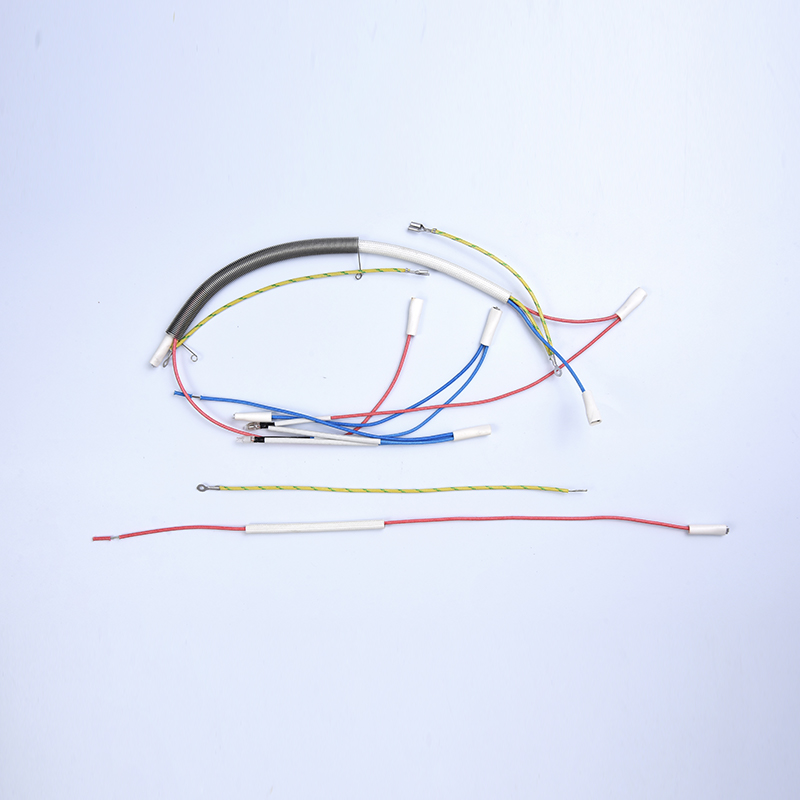
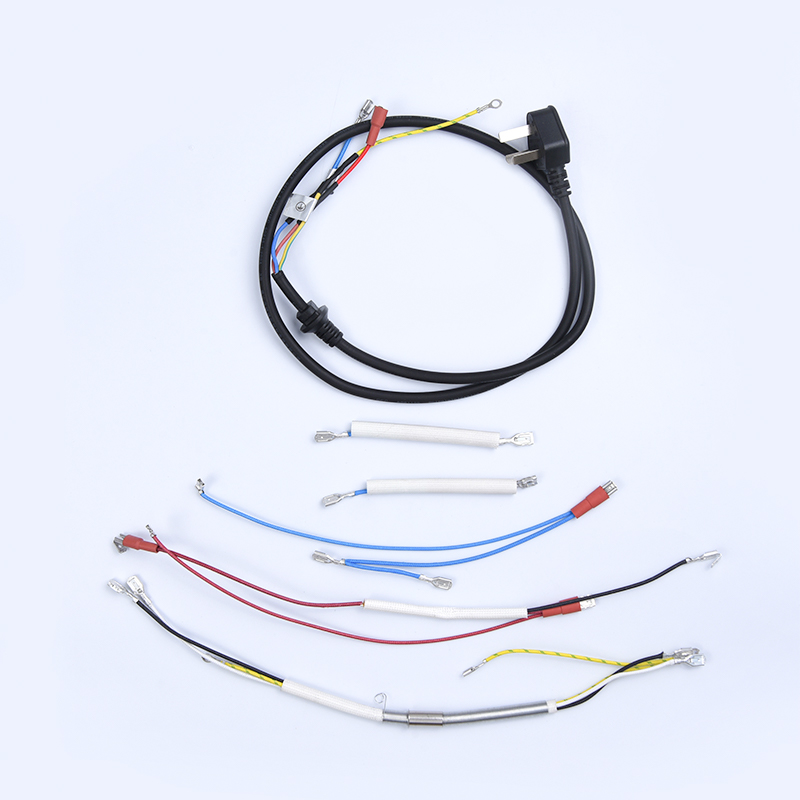
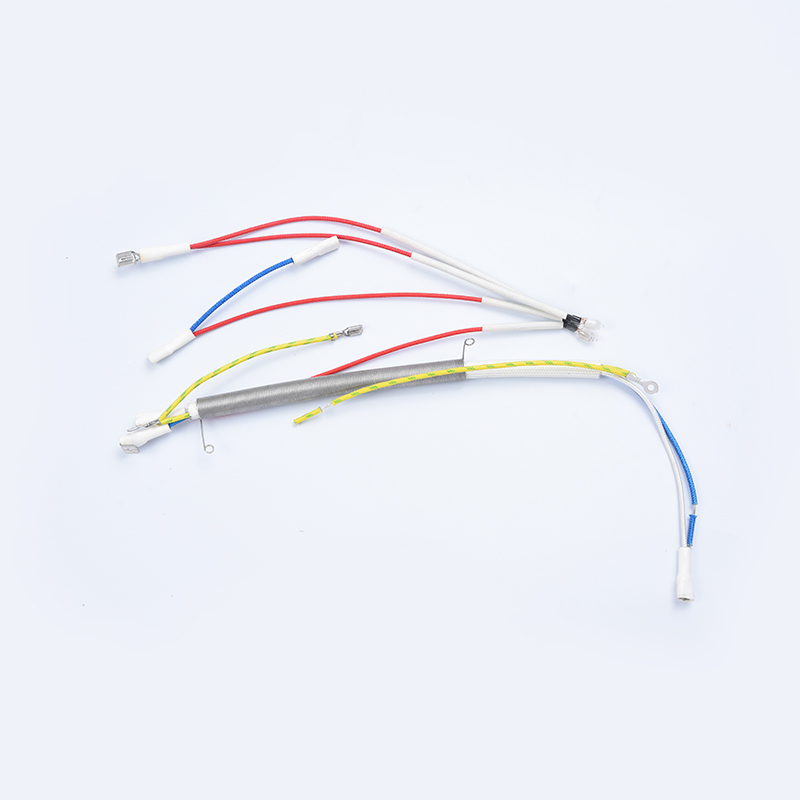
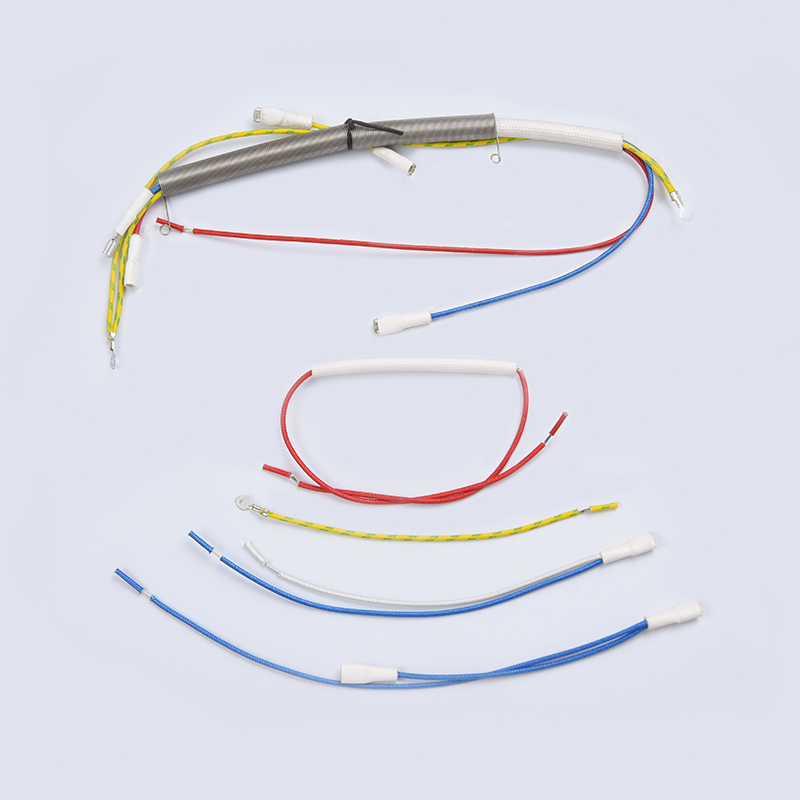
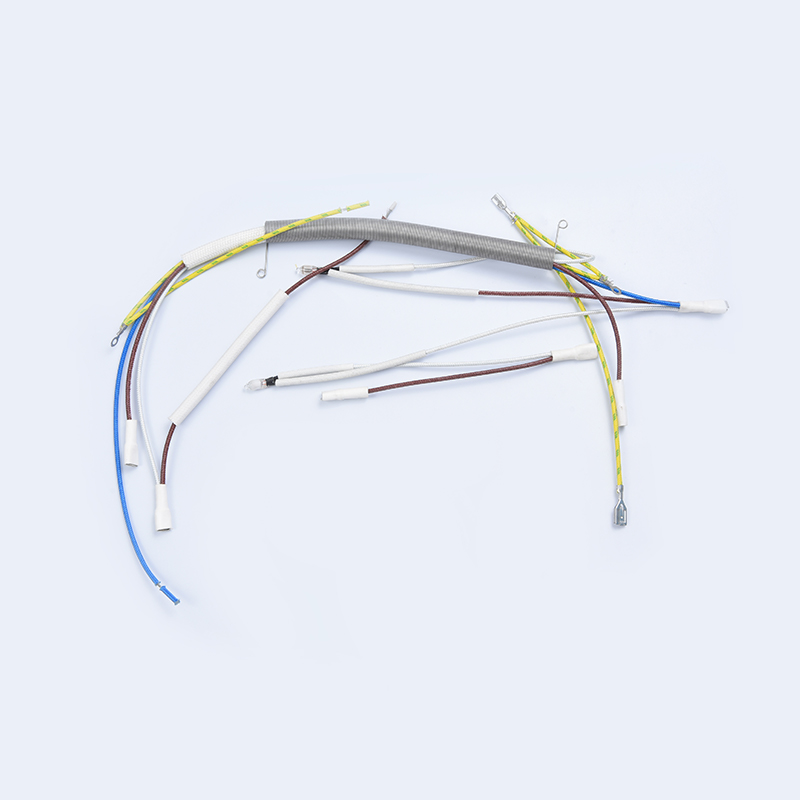
An environmental electrical wiring harness is a specialized assembly designed to maintain electrical integrity and signal fidelity while exposed to extreme external stressors, including moisture, corrosive chemicals, high-vibration, and temperature fluctuations ranging from -65°C to over 200°C. For engineers and system integrators, the definitive standard for success is achieving a minimum ingress protection rating of IP67 or IP68 combined with the use of high-performance insulation materials like ETFE (Tefzel) or silicone. Utilizing an environmentally-hardened harness rather than a standard commercial grade assembly reduces system failure rates by as much as 75% in outdoor or industrial applications, ensuring long-term operational reliability and safety.
Key Environmental Stressors and Their Impacts
To design a constructive wiring solution, one must first categorize the specific environmental threats the harness will encounter during its lifecycle. Failure to account for these variables leads to insulation cracking, terminal corrosion, and short circuits.
Thermal Management and Temperature Extremes
Standard PVC insulation becomes brittle at -20°C and begins to degrade at 80°C. In environmental electrical wiring harnesses, materials like Cross-linked Polyethylene (XLPE) or Fluoropolymers are used to withstand the high ambient heat found in engine bays or aerospace nacelles. For example, a harness located near an exhaust manifold must utilize heat shields or basalt braiding capable of reflecting infrared radiation exceeding 500°C.
Chemical and Fluid Resistance
Industrial harnesses are frequently exposed to hydraulic fluids, diesel fuel, and cleaning agents. Without chemical-resistant jacketing (such as Viton or Polyurethane), these fluids can penetrate the harness through capillary action, leading to swelling of the insulation and subsequent breakdown of the dielectric strength. Protective tubing must meet standards like UL 224 to ensure the outer layer does not dissolve when exposed to hydrocarbons.
Material Selection and Technical Comparison
The choice of wire insulation and outer protection determines the overall "environmental envelope" of the harness. The following table compares common materials used in environmental electrical wiring harnesses.
| Material | Temp Range (°C) | Chemical Resistance | Primary Benefit |
|---|---|---|---|
| ETFE (Tefzel) | -65 to +150 | Excellent | High strength/Low weight |
| Silicone Rubber | -50 to +200 | Moderate | Extreme flexibility |
| Polyurethane (PUR) | -40 to +90 | Very High | Abrasion resistance |
| XLPE (GXL/SXL) | -40 to +125 | Good | Automotive standard |
Connectors and Ingress Protection (IP) Ratings
The weakest point of any electrical system is the connection interface. In an environmental harness, the connector must be as resilient as the wire itself.
Sealing Mechanisms
Professional-grade environmental connectors, such as the Deutsch DT series or Amphenol heavy-duty connectors, utilize silicone grommets and triple-ribbed seals to prevent moisture ingress. For marine or underwater applications, the harness must achieve an IP69K rating, which signifies protection against high-pressure, high-temperature wash-downs (80-100 bar at 80°C).
Strain Relief and Backshells
Environmental electrical wiring harnesses often suffer from vibration-induced fatigue. Constructive design dictates the use of molded strain reliefs or specialized backshells. These components ensure that the mechanical load of the wire weight is transferred to the connector housing rather than the fragile crimped terminals. Over-molding with thermoplastic elastomers (TPE) provides 100% airtight sealing at the wire-to-connector exit point.
Advanced Shielding for EMI/RFI Protection
Environmental protection is not limited to physical substances; it also includes the electromagnetic environment. High-voltage systems and radio frequencies can interfere with sensitive sensor data.
- Braided Shielding: Tinned copper or silver-plated copper braids provide 85% to 95% coverage against low-frequency electromagnetic interference.
- Foil Shielding: Aluminum Mylar foil is used for high-frequency RFI protection, offering 100% coverage but lower mechanical durability.
- Drain Wires: Every shielded environmental harness should include a dedicated drain wire to safely shunt noise to the chassis ground, preventing signal "ghosting" in digital communications.
Manufacturing Standards and Quality Control
An environmental electrical wiring harness is only as reliable as its manufacturing process. Adhering to international standards ensures the product can withstand real-world abuse.
IPC/WHMA-A-620 Standards
For critical environmental applications, Class 3 (High Performance/Harsh Environment Electronic Products) requirements must be met. This includes strictly controlled crimp heights and pull-force testing to ensure that terminal connections do not loosen under thermal cycling or vibration.
Environmental Stress Screening (ESS)
Before deployment, high-reliability harnesses undergo Highly Accelerated Life Testing (HALT). This involves subjecting a sample to rapid temperature shocks and multi-axis vibration to identify potential points of failure before the harness enters mass production. Data shows that harnesses passing ESS have a Mean Time Between Failures (MTBF) 4 times longer than those that only undergo basic continuity testing.
Practical Installation and Maintenance Strategies
Even the most advanced harness can fail if installed incorrectly. A constructive approach requires following best practices for routing and securing the assembly.
- Bend Radius Adherence: Never exceed a bend radius of 10 times the outer diameter (10x OD) of the harness. Tighter bends create internal stress that leads to microscopic cracks in the insulation.
- Drip Loops: When routing a harness into a sealed enclosure, always create a "drip loop." This simple U-shaped dip in the cable forces gravity to pull moisture away from the connector entry point.
- Secure Fastening: Use cushioned P-clamps rather than tight zip ties. Over-tightened zip ties can "cold-flow" through the insulation over time, causing a short circuit directly to the metal frame.
Conclusion: The Future of Environmentally Hardened Systems
The demand for environmental electrical wiring harnesses is accelerating with the rise of electric vehicles (EVs), renewable energy infrastructure, and autonomous industrial robotics. By selecting chemically inert materials, high-IP-rated connectors, and robust shielding, engineers can build systems that thrive where standard electronics fail. Investing in high-specification environmental harnesses is not an unnecessary expense; it is a strategic insurance policy against downtime, liability, and system degradation. As technology moves into more hostile frontiers—from deep-sea exploration to orbital satellites—the integrity of the wiring harness remains the backbone of technological success.