+86-0574-63316601


 中文简体
中文简体Content
- 1 Understanding the Role of the Electric Iron Wiring Harness
- 2 Why Insulation Resistance Testing is Mandatory
- 3 Essential Tools for the Test
- 4 Step-by-Step Procedure: Testing the Electric Iron Wiring Harness
- 5 Factors That Influence Insulation Readings
- 6 Advanced Testing: Dielectric Strength vs. Insulation Resistance
- 7 Best Practices for Manufacturing Quality Control
- 8 Sustainability and Material Choice
- 9 Troubleshooting a "Failed" Test
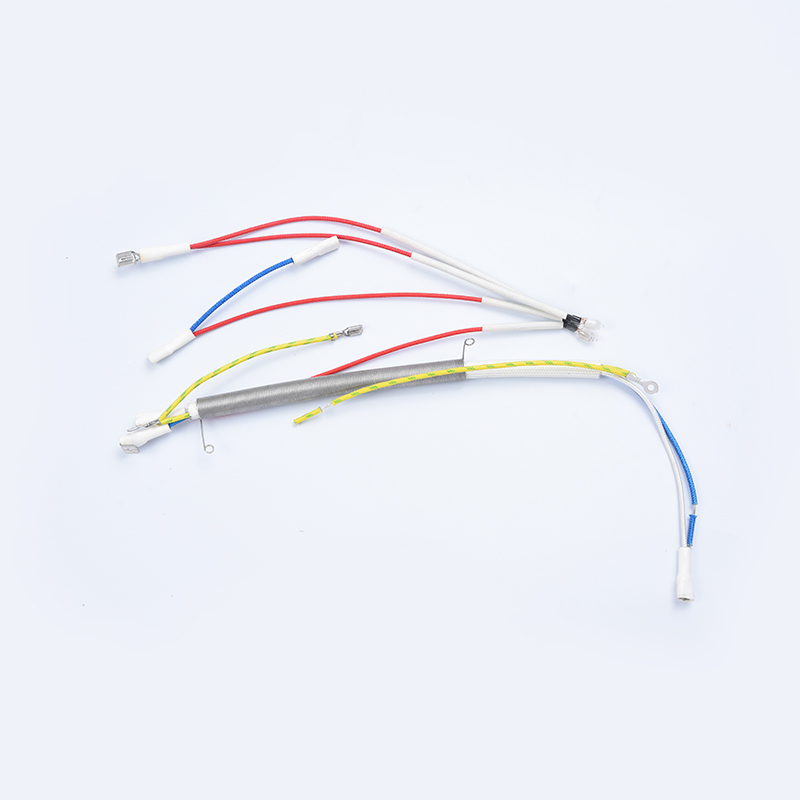
The humble electric iron is one of the most hardworking appliances in any household. Unlike a television or a toaster, an electric iron is subjected to constant movement, high thermal stress, and the presence of pressurized steam. Because of this unique operating environment, the Electric Iron Wiring Harness—the internal "nervous system" that delivers power from the plug to the heating element—must be engineered to the highest safety standards.
Among all the quality control checks performed during manufacturing and maintenance, the Insulation Resistance (IR) Test is perhaps the most critical. It is the primary defense against electric shocks and fire hazards. In this guide, we will explore why insulation resistance matters, the equipment needed for testing, and a step-by-step procedure to ensure your wiring harnesses are safe and compliant with 2026 international standards.
Understanding the Role of the Electric Iron Wiring Harness
Before diving into the testing procedures, it is essential to understand what makes an Electric Iron Wiring Harness different from a standard power cord.
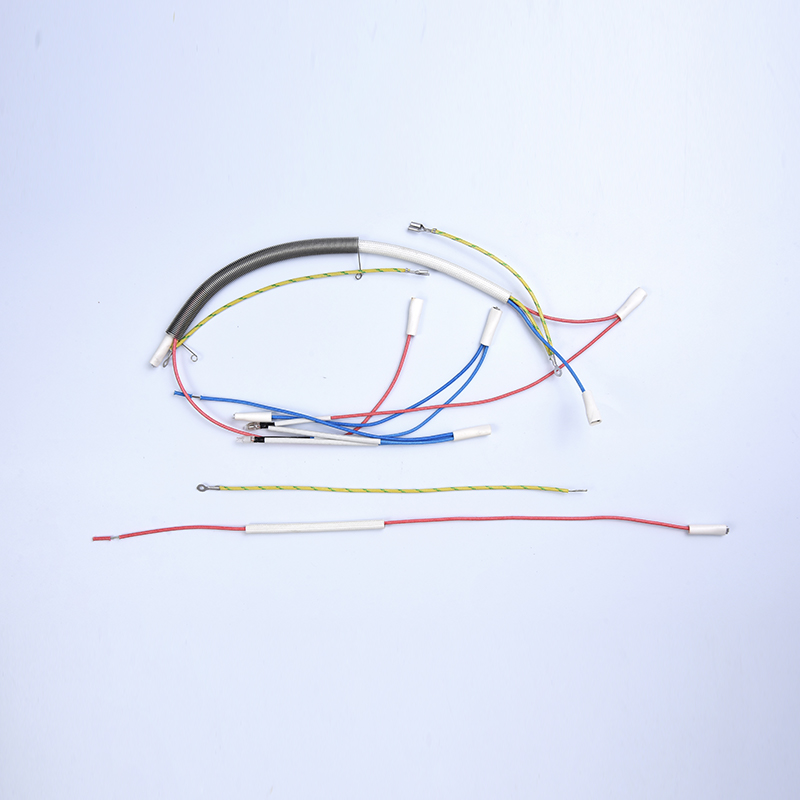
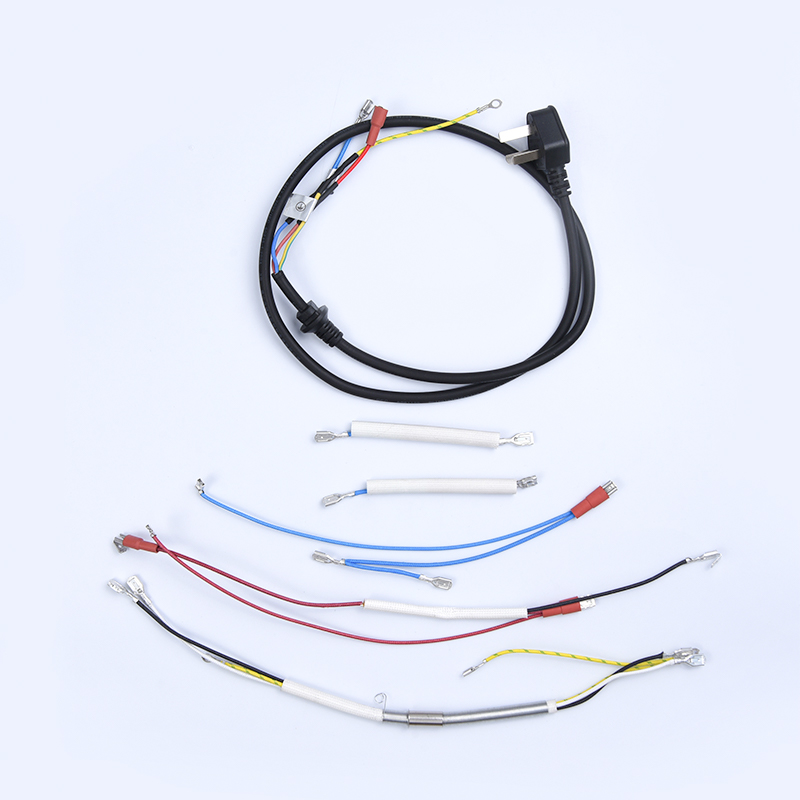
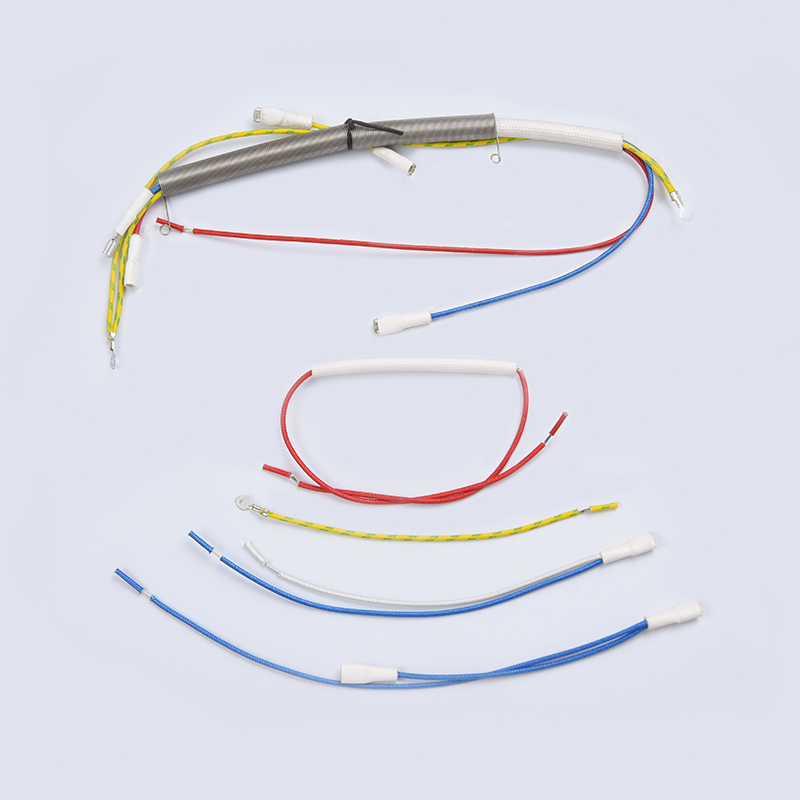
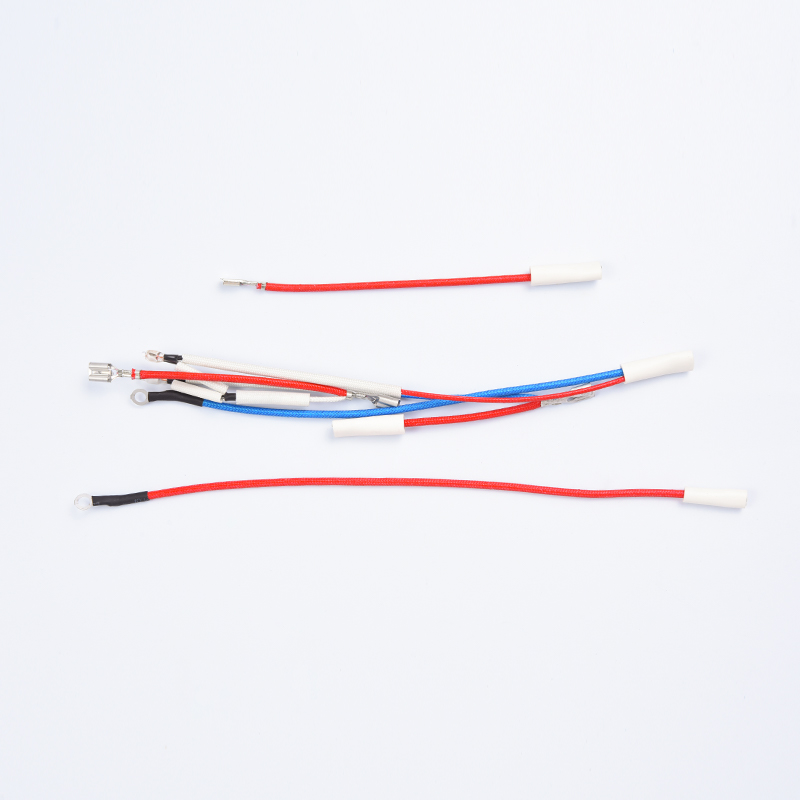
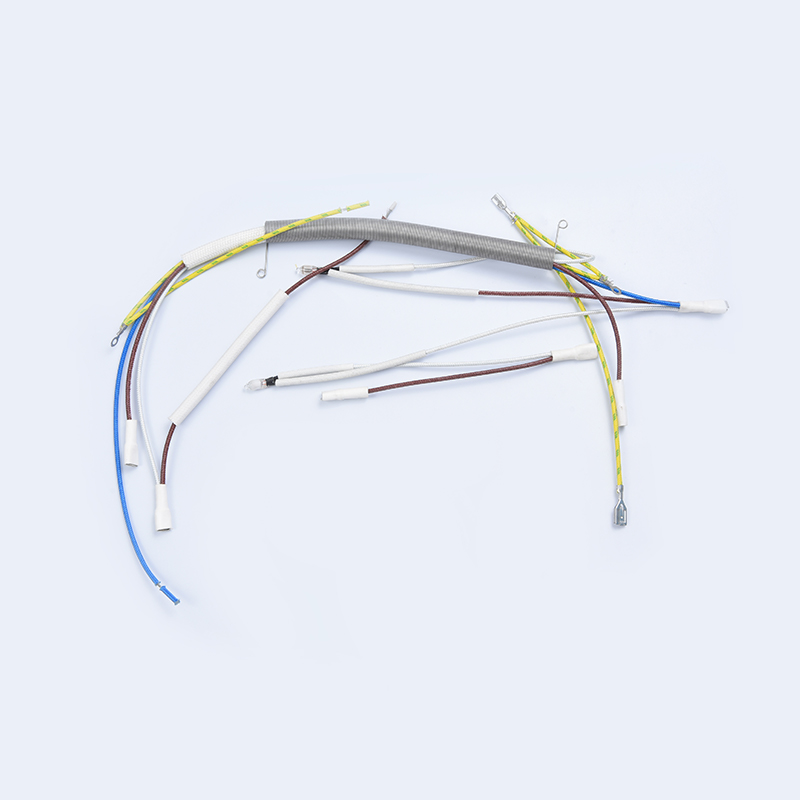
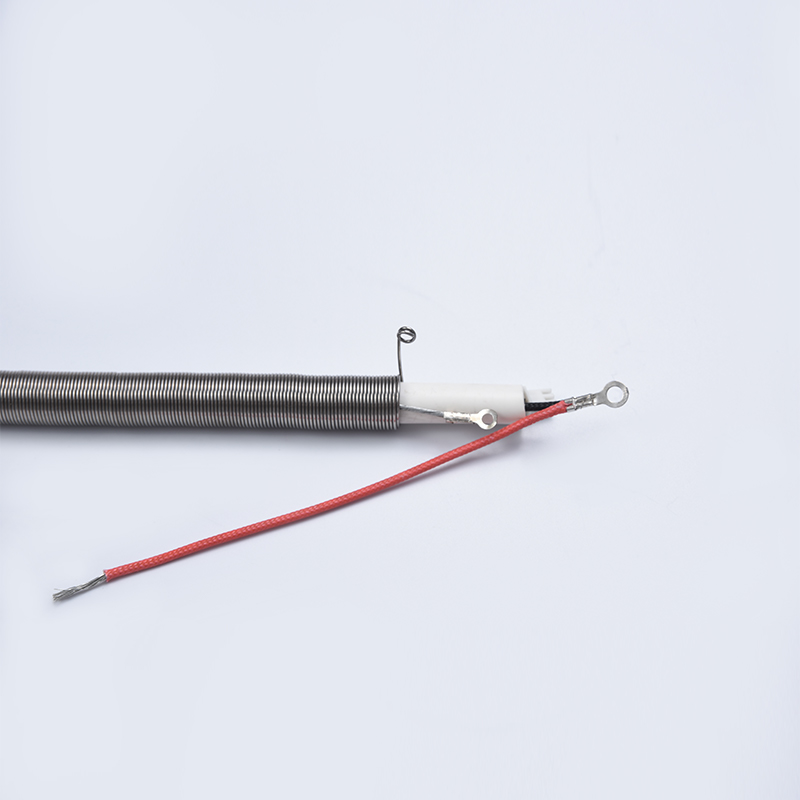
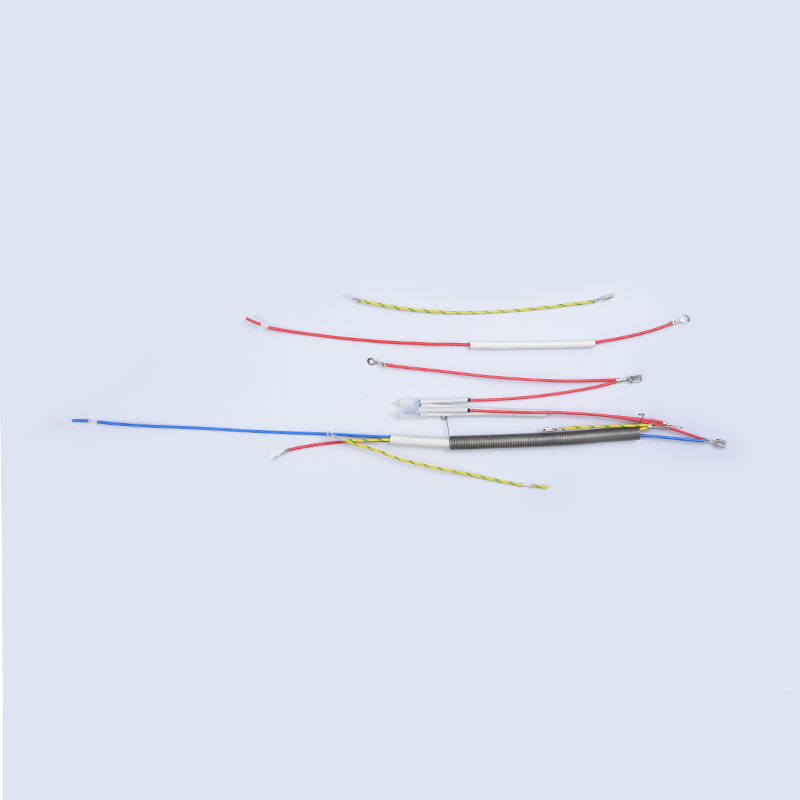
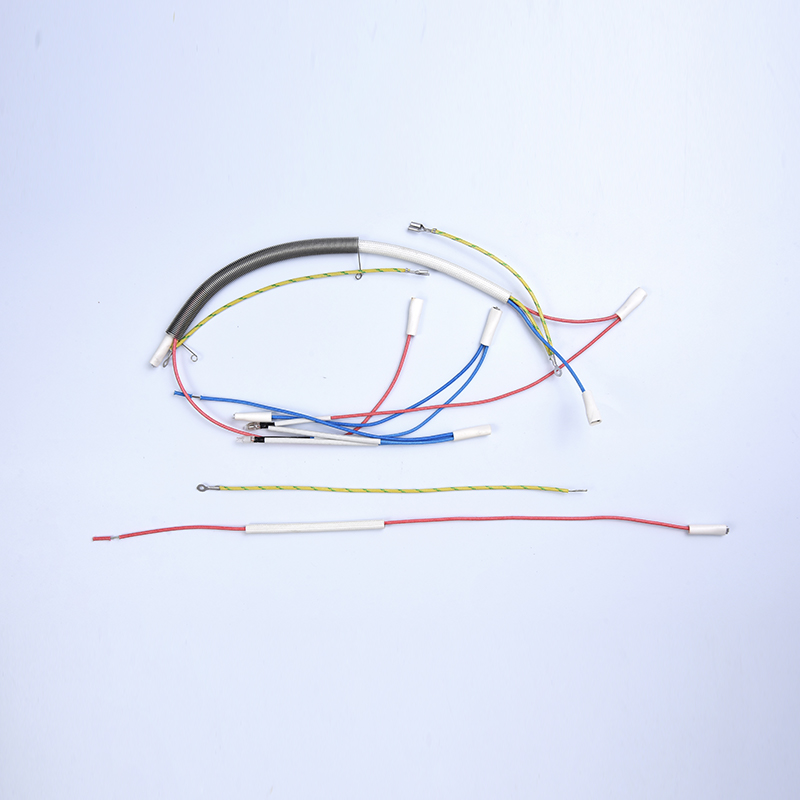
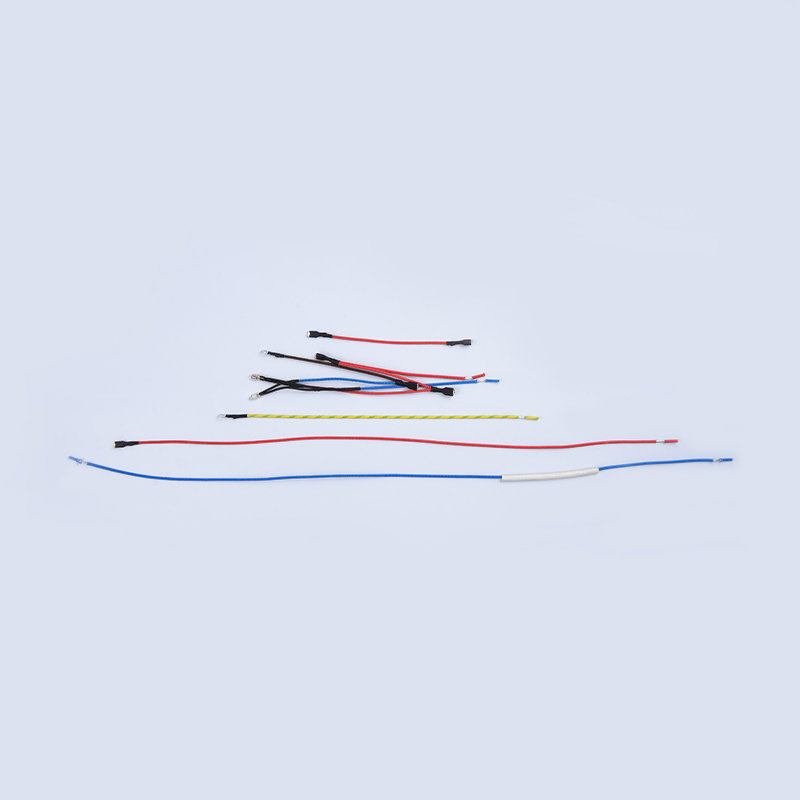
An iron’s wiring harness usually consists of high-temperature resistant lead wires (often insulated with silicone or cross-linked polyethylene), terminal connectors (like spade or ring terminals), and often a braided textile or fiberglass sleeve. This assembly must endure:
- Thermal Cycling: Temperatures inside the iron casing can fluctuate between room temperature and over 200°C.
- Mechanical Stress: The constant "back-and-forth" motion during ironing creates repetitive bending stress on the wires.
- Moisture Exposure: Steam irons introduce humidity, which can find its way into microscopic cracks in insulation, leading to leakage current.
If the insulation of the harness fails, electricity can "leak" onto the metal soleplate or the external casing, posing a severe risk to the user.
Why Insulation Resistance Testing is Mandatory
Insulation resistance is the measurement of the total resistance between two conductors separated by an insulating material. In a perfect world, an insulator would have infinite resistance, allowing zero current to pass through it. In reality, every material has some level of leakage.
Testing the Electric Iron Wiring Harness for insulation resistance ensures:
- Consumer Safety: Prevents "tingle shocks" or fatal electrocution.
- Regulatory Compliance: Meets standards like UL 60335-1 or IEC 60335-2-3, which are mandatory for selling appliances in the US, Europe, and Asia.
- Product Longevity: Identifying weak insulation early prevents premature product failure and costly recalls.
Essential Tools for the Test
To perform a professional-grade IR test, you cannot rely on a standard handheld multimeter. You need a Megohmmeter (often called a "Megger").
- The Megohmmeter: This device applies a high DC voltage (typically 500V or 1000V) to the harness and measures the resulting tiny current to calculate resistance in Megohms (MΩ).
- Test Leads: High-quality, insulated clips to connect the meter to the harness terminals.
- Safety Mat: An insulated rubber mat to place the harness on during testing to prevent stray ground paths.
Step-by-Step Procedure: Testing the Electric Iron Wiring Harness
Step 1: Visual Inspection (The Pre-Test)
Before applying high voltage, inspect the Electric Iron Wiring Harness manually. Look for:
- Cracks or "crazing" in the silicone or PVC insulation.
- Discoloration that might indicate the wire was overheated during the crimping process.
- Loose terminal connectors.
- Any moisture or oil on the surface of the wires.
Step 2: Preparing the Harness
Disconnect the harness from the power source and the iron’s heating element. You want to test the harness as an independent component to ensure that any low resistance readings are coming from the wires themselves and not the appliance’s other electronics.
Step 3: Setting the Test Voltage
For household appliances like electric irons (which typically operate on 110V-240V AC), the standard test voltage for insulation resistance is 500V DC. If you are testing high-performance industrial irons, you might use 1000V DC, but always consult the specific engineering datasheet for the harness.
Step 4: Making the Connections
There are two primary types of IR tests for a wiring harness:
- Conductor-to-Conductor: Connect one lead of the megohmmeter to the Live (L) wire and the other to the Neutral (N) wire. This checks for internal shorts within the harness.
- Conductor-to-Ground: Connect one lead to both L and N (joined together) and the other lead to the Earth/Ground (E) wire or the external braided shielding. This is the most critical test for user safety.
Step 5: Applying the Voltage and Taking the Reading
Press the "Test" button on the megohmmeter. Most standards require the voltage to be applied for 60 seconds to allow the capacitive charging current to stabilize.
- Acceptable Result: For a new Electric Iron Wiring Harness, the reading should ideally be higher than 100 MΩ.
- The Minimum Limit: According to most international standards, any reading below 2 MΩ is a "Fail" and indicates that the insulation is compromised.
Factors That Influence Insulation Readings
It is important to realize that an insulation reading is a "snapshot" in time. Several environmental factors can change the results:
- Temperature: As temperature increases, the resistance of insulation typically decreases. If you are testing a harness in a hot factory environment, your readings will be lower than in a climate-controlled lab.
- Humidity: High humidity can create a thin film of moisture on the surface of the connectors, leading to "surface leakage." This doesn't mean the internal insulation is bad, but it can skew the test results.
- Age and Contamination: Dust, oil from machinery, or flux residue from soldering can all lower the insulation resistance of the harness over time.
Advanced Testing: Dielectric Strength vs. Insulation Resistance
While we are focusing on Insulation Resistance, it is worth mentioning the Dielectric Strength Test (often called the "Hipot" or High Potential test).
While the IR test tells you how much leakage you have, the Hipot test checks if the insulation can withstand a massive overvoltage (often 1500V to 2500V AC) without breaking down completely. In a high-quality manufacturing line, both tests are performed on the Electric Iron Wiring Harness to ensure total reliability.
Best Practices for Manufacturing Quality Control
If you are a manufacturer of small appliances, integrating IR testing into your assembly line is non-negotiable. Here are some 2026 best practices:
- Automated Testing Jigs: Use custom-built jigs that allow workers to "snap" the harness into place. This ensures consistent contact pressure and reduces human error.
- Data Logging: Modern megohmmeters can export data via USB or Wi-Fi. Logging every test result against the harness serial number provides an invaluable audit trail.
- Regular Calibration: Your testing equipment is only as good as its last calibration. Ensure your megohmmeters are certified annually against NIST or equivalent standards.
Sustainability and Material Choice
In 2026, there is a growing trend toward "Halogen-Free" and "Eco-Friendly" wiring harnesses. These new materials, such as Thermoplastic Elastomers (TPE), offer excellent insulation resistance but may have different "aging" characteristics compared to traditional silicone.
When sourcing your Electric Iron Wiring Harness, ask your supplier for long-term IR stability data. A harness that passes a test today but degrades significantly after 1,000 hours of heat exposure is a liability.
Troubleshooting a "Failed" Test
If a harness fails an IR test, don't just throw it away immediately. Perform a "failure analysis" to find the root cause:
- Check the Crimps: Often, the failure isn't in the wire itself but at the point where the terminal is crimped. If the crimp tool is too tight, it can pierce the insulation.
- Check for Abrasions: Look for spots where the harness might have rubbed against a sharp metal edge during the "flex test."
- Environmental Check: Was the harness stored in a damp warehouse? Sometimes, baking the harness in an oven at 50°C for an hour can drive out moisture and restore the IR reading.