+86-0574-63316601


 中文简体
中文简体Content
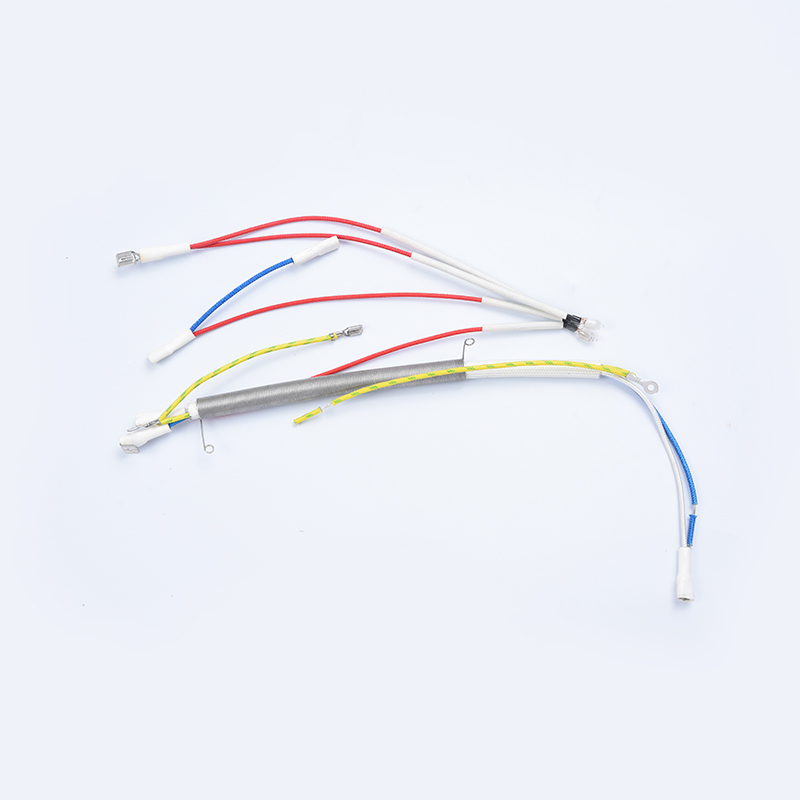
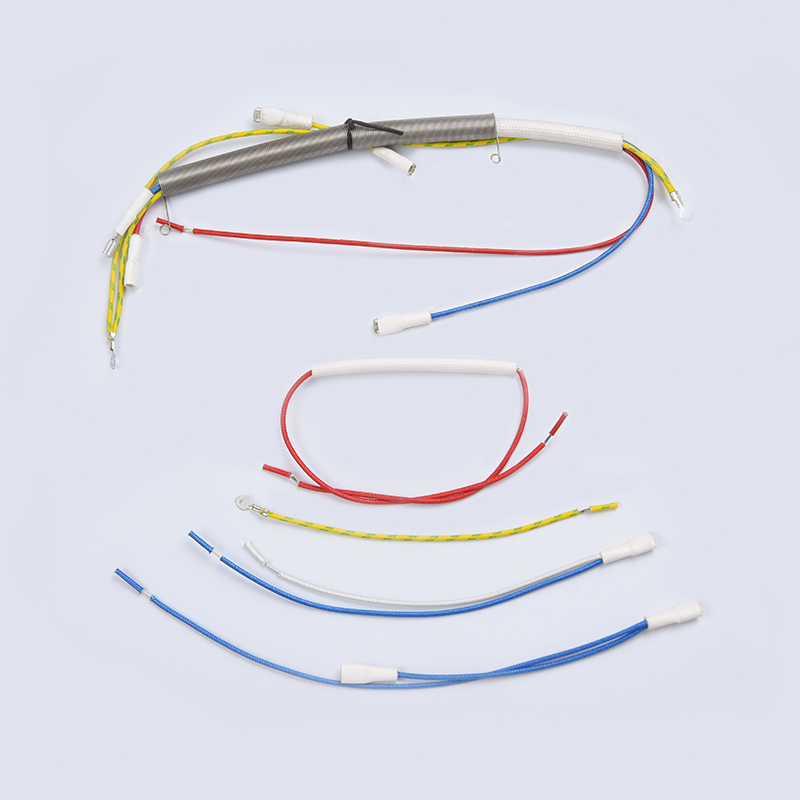
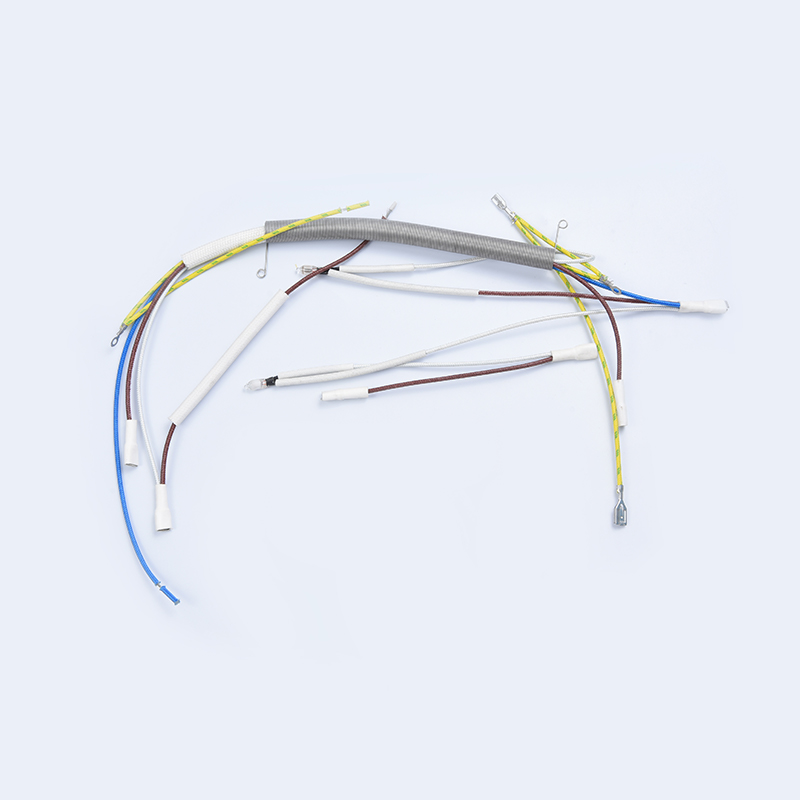
A washing machine is one of the most hardworking appliances in any household. We often take it for granted until that sudden moment when it refuses to start, stops mid-cycle, or begins acting erratically. While many people immediately suspect a broken motor or a failed control board, the actual culprit is frequently much simpler yet more overlooked: the washing machine wiring harness.
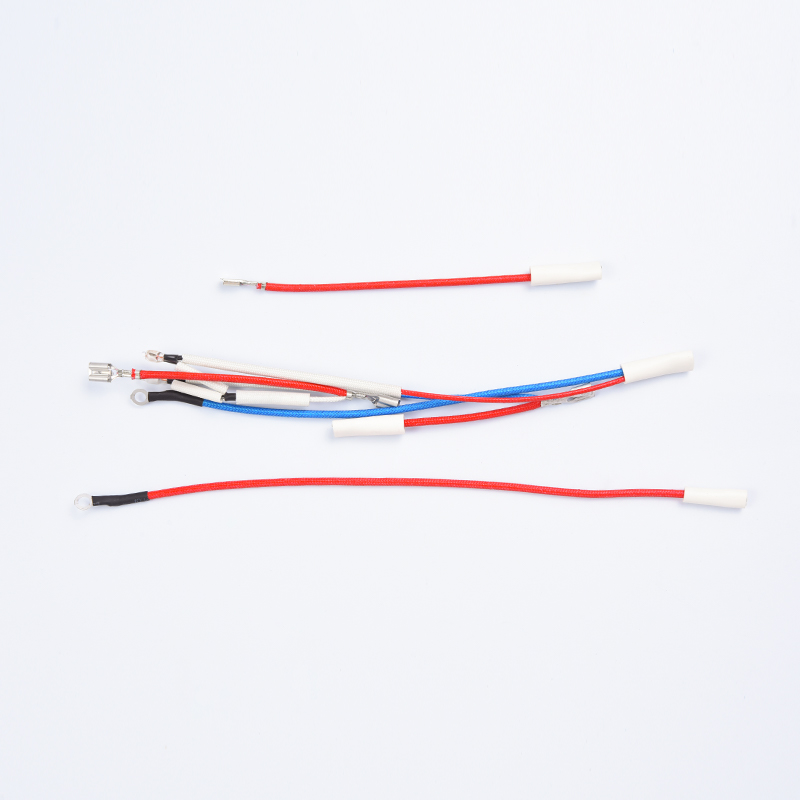
The wiring harness is essentially the "central nervous system" of your appliance. It consists of an organized bundle of wires and connectors that transmit power and signals between the main control board, the motor, sensors, valves, and the door lock. When this system fails, the communication breaks down, leading to a variety of frustrating issues.
In this guide, we will explore the common symptoms of a faulty washing machine wiring harness and provide practical steps on how to diagnose and address these problems to get your laundry routine back on track.
Understanding the Role of the Washing Machine Wiring Harness
Before diving into the symptoms, it is helpful to understand why this component is so vital. Modern washing machines are highly sophisticated. They rely on precise timing and feedback from various parts to ensure water levels are correct, temperatures are optimal, and the spin cycle is safe.
The washing machine wiring harness ensures that:
- Power Distribution: Electricity reaches the motor, drain pump, and heating elements.
- Sensor Communication: The control board receives data from the water level switch, temperature sensor, and lid switch.
- Instruction Execution: Commands from the user interface are successfully sent to the mechanical parts of the machine.
Because washing machines involve high-speed spinning and constant vibration, the wiring harness is subjected to significant physical stress over time.
Common Symptoms of a Faulty Wiring Harness
Identifying a wiring issue can be tricky because the symptoms often mimic those of more expensive component failures. If you notice any of the following signs, it’s time to inspect the harness.
The Machine Won’t Power On
If your washer is plugged in and the circuit breaker hasn't tripped, but the display remains dark, the problem might be a break in the power supply section of the wiring harness. A loose connection at the main terminal block or a frayed wire near the power entry point can prevent electricity from reaching the control board.
Intermittent Operation or Random Shutdowns
Does your machine start a cycle and then suddenly "die" halfway through? Or perhaps it only works when you wiggle the door? These are classic signs of a loose connection or a wire that has partially fractured inside its insulation. Vibration during the wash cycle can cause these weak points to lose contact momentarily, triggering a safety shutdown.
Error Codes (LE, F73, and Others)
Modern digital washers are programmed to display error codes when they detect a fault. For example, an "LE" code on many machines points to a motor error, while "F73" often indicates a communication failure between the control panel and the main board. While these codes might suggest a part needs replacing, they are often triggered by a faulty washing machine wiring harness that is failing to transmit the signal correctly.
Unusual Burning Smells
A burning smell is a serious red flag. It often indicates that electricity is "arcing" across a loose connector or that a wire has shorted out due to worn-out insulation. When a harness rubs against the metal frame of the machine (a process called chafing), the bare wire can touch the metal, creating heat and potentially melting the plastic connectors.
Failure to Spin, Drain, or Fill
If the motor is fine but refuses to spin, or if the water won't stop filling despite a new valve, the signals may be getting "lost" in the wiring. A broken wire in the harness leading to the pressure switch or the motor tachometer will prevent the machine from knowing when to proceed to the next step.
Why Do Wiring Harnesses Fail?
Understanding the cause of the damage can help you prevent future issues. The most common causes include:
- Vibration and Friction: The constant movement of the drum can cause wires to rub against sharp edges of the chassis.
- Moisture and Corrosion: Since washing machines deal with water, any small leak can lead to moisture entering the connectors. This causes oxidation (rust), which increases electrical resistance and leads to failure.
- Heat Stress: High-current components like heaters can cause nearby wires to become brittle over time.
- Rodent Damage: In some environments, small animals may chew through the insulation, causing immediate shorts.
How to Diagnose and Fix Wiring Harness Issues
If you suspect your washing machine wiring harness is at fault, follow these steps to troubleshoot and repair the issue safely.
Step 1: Safety First
Always unplug the washing machine from the power source before attempting any inspection or repair. If you have been running a hot cycle, allow the machine to cool down.
Step 2: Access the Wiring
Depending on your model (top-load or front-load), you will need to remove the top cover or the back panel. Use a screwdriver to remove the screws holding the panels in place. Once inside, you will see the various bundles of wires held together by plastic ties or clips.
Step 3: Visual Inspection
Look for the following:
- Frayed or pinched wires: Look for spots where the harness might be caught in a moving part.
- Discolored connectors: If a plastic plug looks brown or melted, it has likely overheated.
- Corroded pins: Unplug connectors and look for green or white powdery residue on the metal pins.
Step 4: Use a Multimeter for Continuity Testing
A visual check isn't always enough, as a wire can be broken inside the plastic coating. Set your multimeter to the "Continuity" or "Ohms" setting. Place one probe at one end of a wire and the other probe at the opposite end. A "beep" or a low resistance reading means the wire is good. No sound or an "OL" (Open Line) reading means the wire is broken and must be replaced.
Step 5: Repairing vs. Replacing
- Minor Damage: If a single wire is frayed, you can cut out the damaged section and splice in a new piece of the same gauge using a heat-shrink butt connector. This provides a water-resistant seal.
- Connector Failure: If a specific plug is melted, you may be able to replace just the connector head. However, this requires specialized crimping tools.
- Severe Damage: If the harness is melted in multiple places or has been severely damaged by a short circuit, the safest and most reliable option is to purchase a new OEM (Original Equipment Manufacturer) washing machine wiring harness and swap it out entirely.