+86-0574-63316601


 中文简体
中文简体Content
The global shift towards renewable energy has brought with it a host of innovations aimed at improving the efficiency, reliability, and sustainability of energy systems. From wind and solar to hydroelectric and geothermal energy, renewable energy sources require specialized infrastructure to operate effectively. One critical yet often overlooked component in this infrastructure is the environmental electrical wiring harness.
Wiring harnesses are used to bundle and protect electrical cables, ensuring efficient power transmission throughout renewable energy systems. Environmental electrical wiring harnesses, specifically designed to withstand harsh environmental conditions, play a crucial role in ensuring the long-term reliability and performance of renewable energy projects. These harnesses are built to endure extreme weather conditions, exposure to corrosive elements, and other challenges that renewable energy systems commonly face.
What is an Environmental Electrical Wiring Harness?
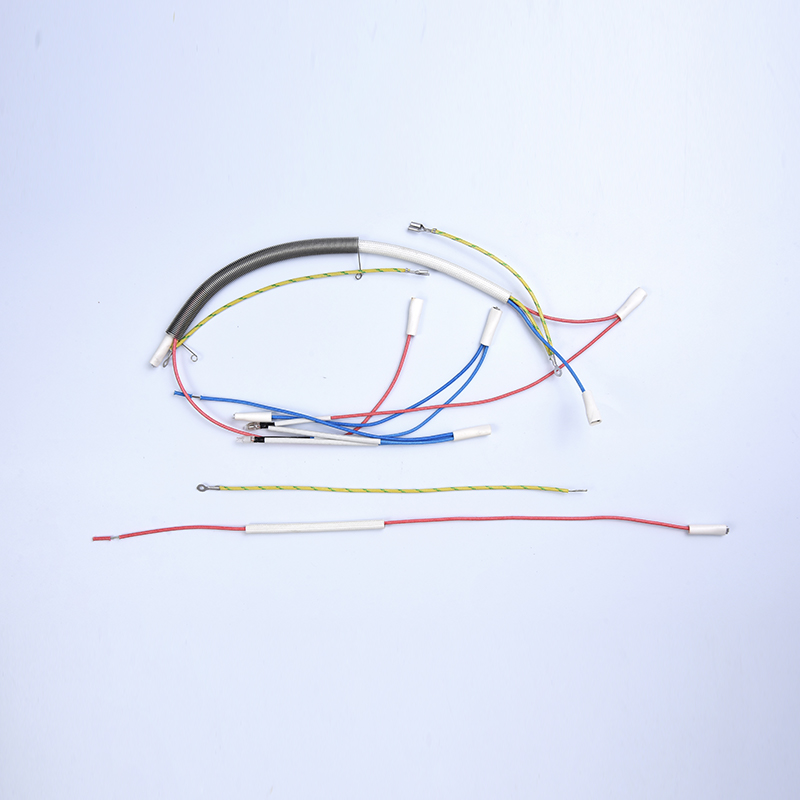
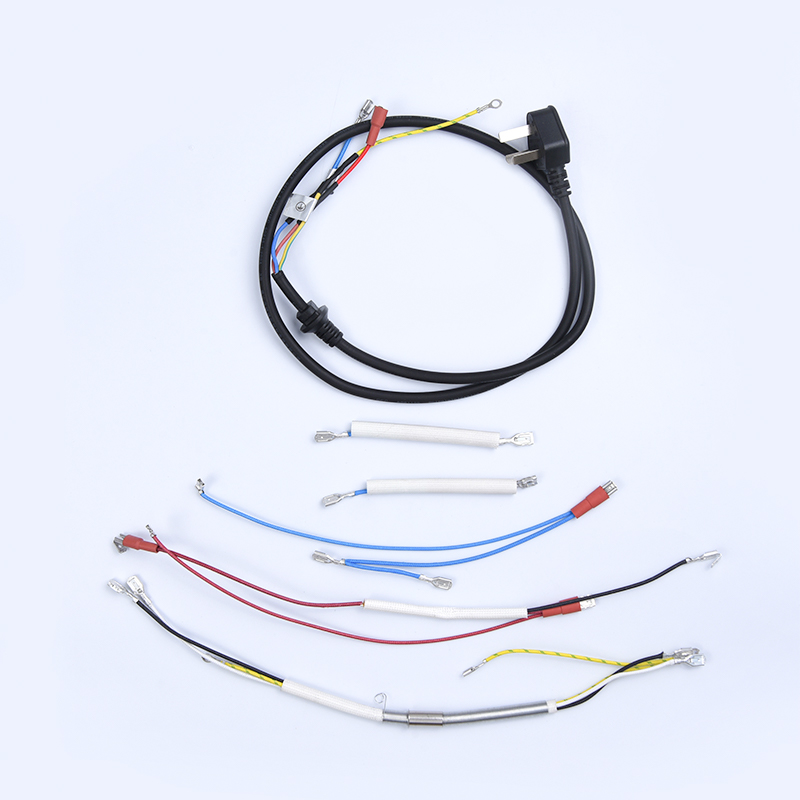
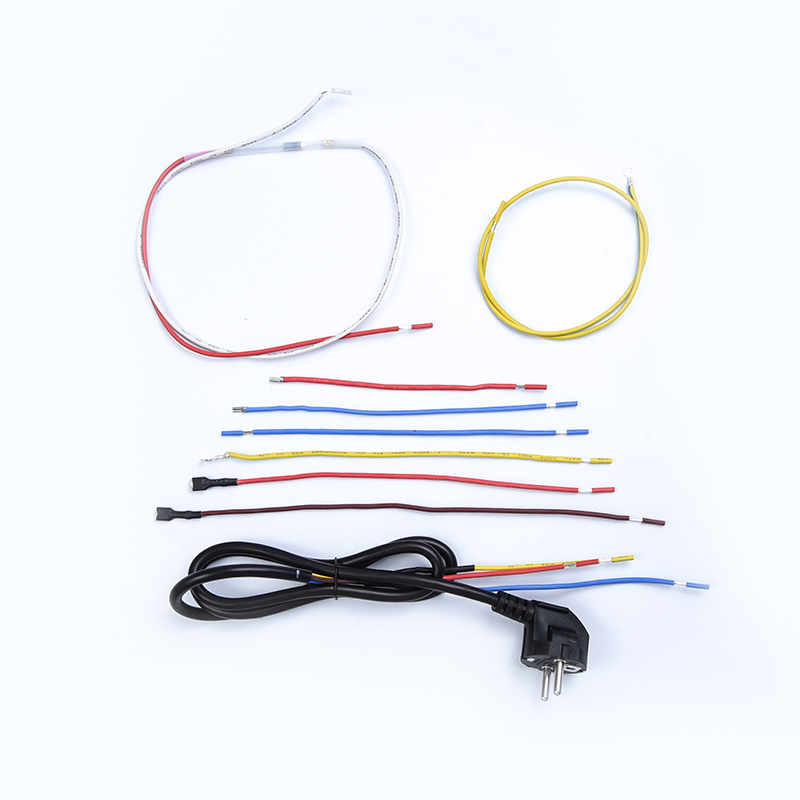
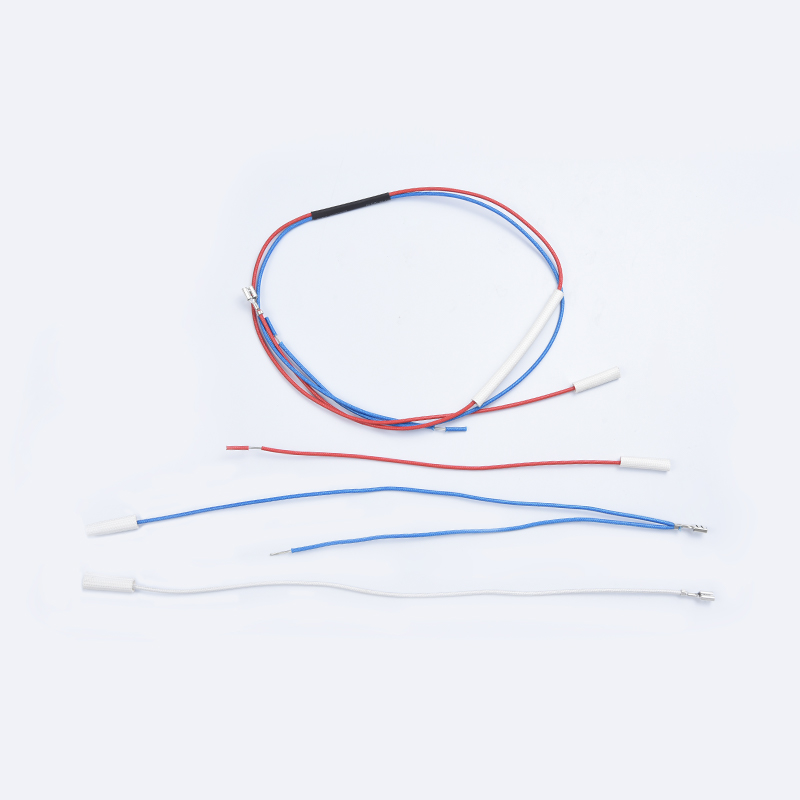
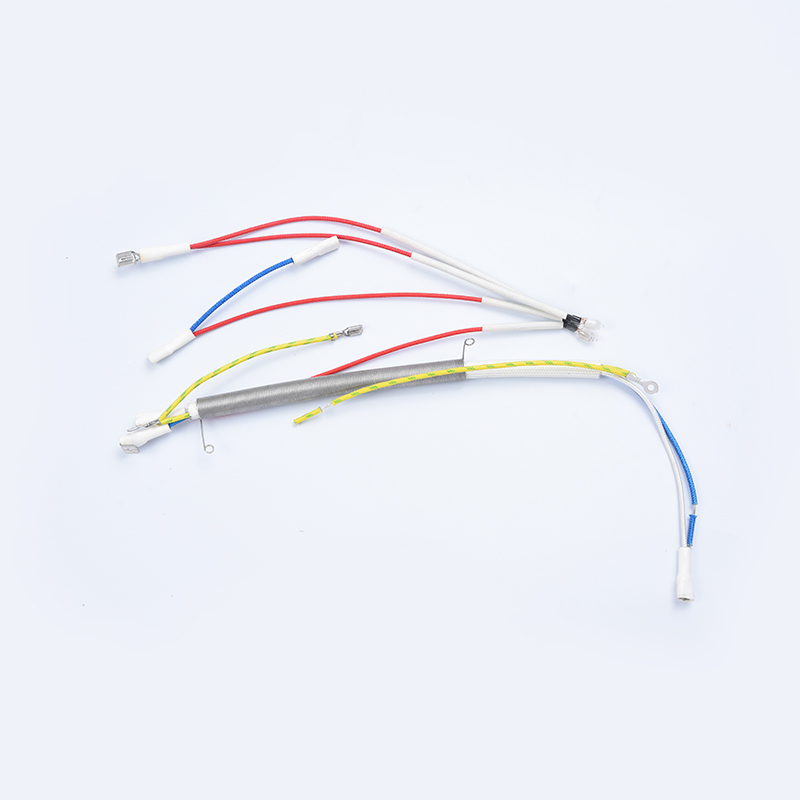
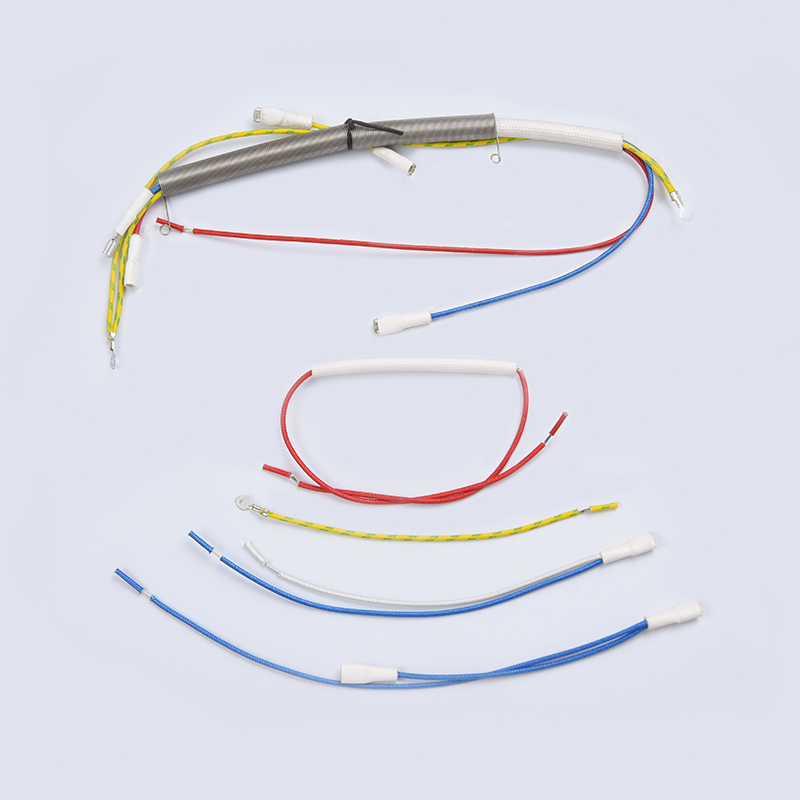
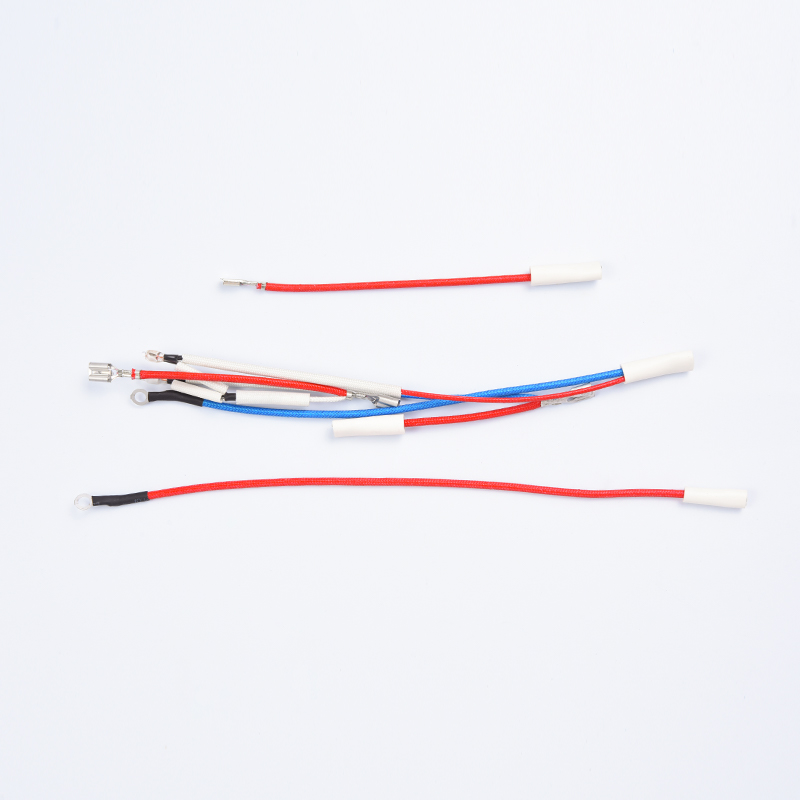
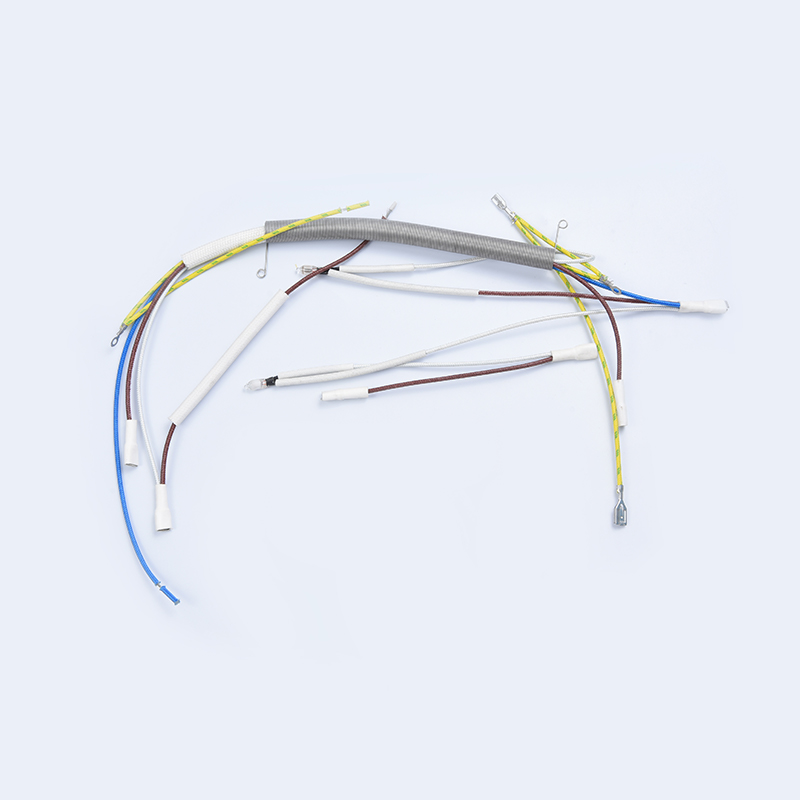
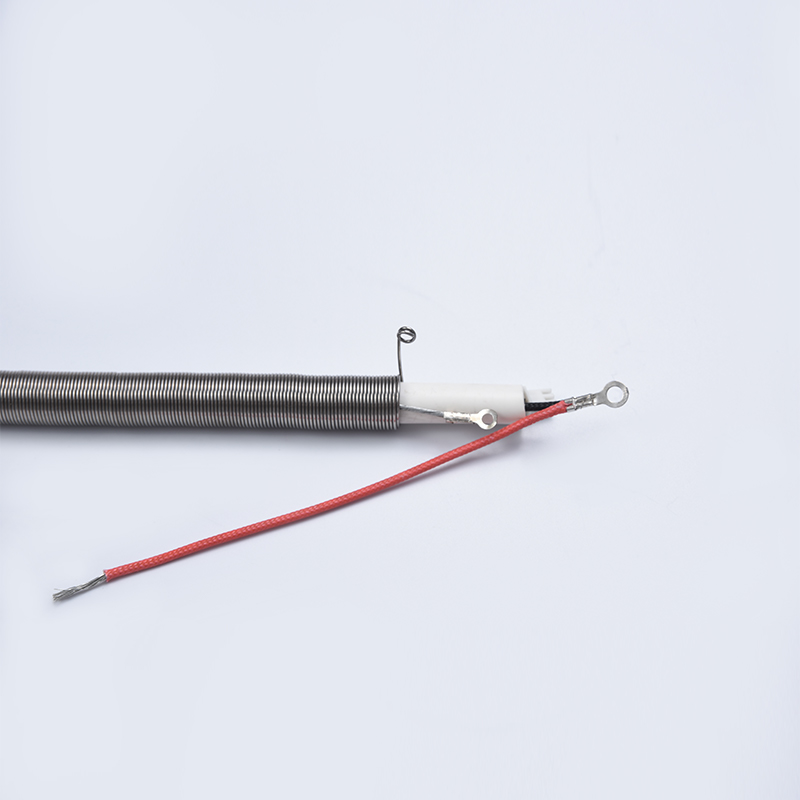
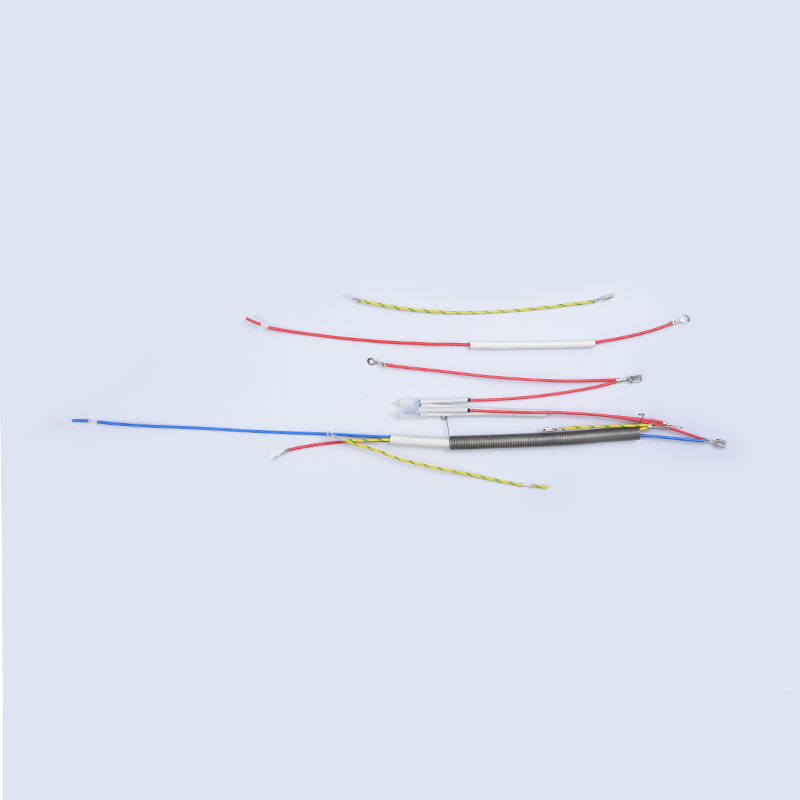
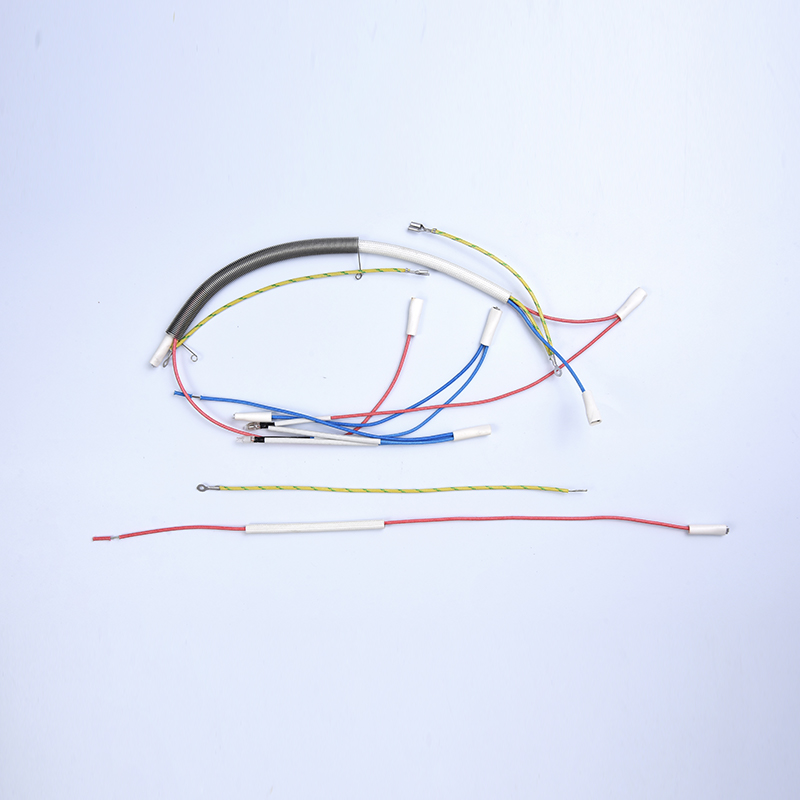
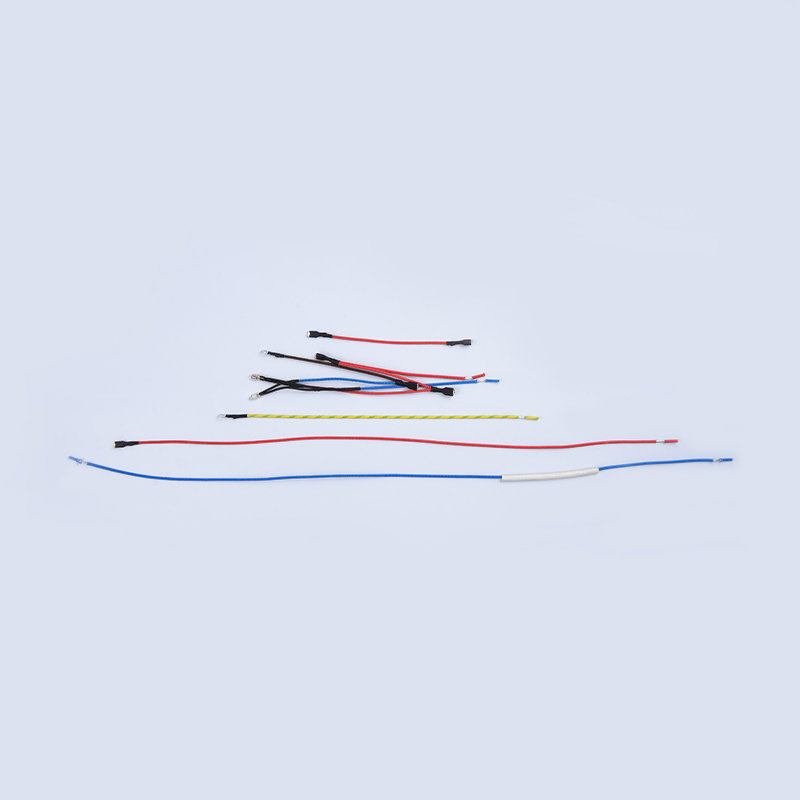
An electrical wiring harness is a collection of wires, connectors, terminals, and insulation that are bundled together to transmit electrical power or signals within a system. In renewable energy projects, these wiring harnesses connect various components, such as solar panels, wind turbines, inverters, and battery storage systems, to ensure the efficient flow of energy.
Environmental electrical wiring harnesses are a specialized type designed to operate under challenging environmental conditions. These harnesses are built with materials that offer protection against moisture, UV radiation, extreme temperatures, chemicals, and physical wear and tear. In renewable energy projects, these environmental conditions are often more severe compared to traditional industrial applications, making the use of robust wiring harnesses essential for system durability and efficiency.
Key Reasons Why Environmental Electrical Wiring Harnesses Are Crucial for Renewable Energy Projects
Resistance to Harsh Weather Conditions
Renewable energy systems, such as wind farms, solar power plants, and offshore platforms, are often exposed to extreme weather conditions, including high winds, heavy rain, snow, and intense sunlight. These elements can quickly degrade regular wiring systems, leading to system failures or safety hazards.
Environmental electrical wiring harnesses are specifically designed to withstand these conditions. UV-resistant materials prevent degradation from prolonged sun exposure, while waterproof coatings protect the wires from damage caused by rain or humidity. For offshore wind turbines and solar farms, these harnesses can even be designed to be resistant to saltwater corrosion, ensuring the wiring maintains its integrity over time.
The resilience of environmental electrical wiring harnesses to weather conditions significantly extends the lifespan of renewable energy equipment, reducing the frequency of repairs and replacements that can disrupt operations and incur additional costs.
Durability in Extreme Temperatures
Renewable energy systems are often deployed in regions with extreme temperature variations, ranging from freezing cold temperatures in the Arctic to intense heat in desert areas. These temperature extremes can cause standard electrical wiring to contract, expand, or become brittle, which can result in insulation failure or wire breakage.
Environmental electrical wiring harnesses are designed with temperature-resistant materials that maintain flexibility and durability across a wide temperature range. Whether the temperature plunges below freezing or soars above 100°C (212°F), these wiring harnesses remain intact, ensuring consistent performance and preventing costly downtime due to system failures.
In solar power plants in desert regions or wind farms in cold climates, environmental wiring harnesses maintain their structural integrity and reliability, enabling renewable energy systems to function optimally regardless of temperature fluctuations.
Protection Against Corrosive Elements
Renewable energy systems, particularly those located near coastal areas or offshore platforms, are often exposed to corrosive elements like saltwater, chemicals, and pollutants. This corrosion can weaken electrical components, leading to failure or degradation of performance. Saltwater, in particular, is highly corrosive and can rapidly damage unprotected wiring, resulting in expensive repairs and downtime.
Corrosion-resistant materials used in environmental electrical wiring harnesses, such as tinned copper, stainless steel connectors, and epoxy coatings, offer enhanced protection against these harmful elements. These materials ensure that renewable energy systems, including offshore wind turbines and solar arrays located in coastal environments, can continue to operate without corrosion-related failures.
This corrosion resistance also helps reduce the environmental impact of renewable energy projects by preventing the need for frequent part replacements, which would contribute to electronic waste.
Ensuring System Safety and Reliability
In renewable energy projects, the reliability of every electrical component is crucial to the overall safety and efficiency of the system. A failure in the wiring harness can result in short circuits, fires, or even catastrophic breakdowns. Environmental electrical wiring harnesses contribute to system safety by offering robust insulation, overload protection, and fire resistance.
For instance, fire-resistant coatings can prevent the spread of flames in the event of an electrical fault, minimizing damage and protecting both equipment and personnel. The use of flame-retardant materials also helps reduce the risk of fires, particularly in areas with high temperatures or flammable materials.
Additionally, advanced sealing techniques prevent dust and moisture from entering wiring components, ensuring that sensitive electrical connections are safe and free from the risk of contamination. This contributes to both operational reliability and safety in renewable energy systems, particularly in wind energy and solar power plants where consistent performance is critical to meeting energy production targets.
Minimizing Maintenance and Downtime
A significant advantage of using environmental electrical wiring harnesses in renewable energy projects is the reduction in maintenance needs and downtime. The durability, corrosion resistance, and temperature stability of these specialized wiring harnesses reduce the likelihood of failure, which in turn minimizes the need for maintenance and repairs.
In renewable energy sectors where continuous, reliable operation is essential, minimizing downtime is crucial. The cost of repairing or replacing damaged wiring harnesses in systems like wind turbines, solar arrays, or hydropower plants can be substantial, not to mention the lost revenue from energy production during downtime. Environmental wiring harnesses, with their long lifespan and resistance to harsh conditions, help ensure that renewable energy systems operate smoothly with fewer interruptions.
Supporting Sustainability Goals
Renewable energy projects are, by nature, focused on reducing environmental impact. Incorporating environmentally friendly materials, such as recyclable plastics or bio-based resins in the production of environmental electrical wiring harnesses, helps support the overall sustainability goals of these projects. These harnesses can be designed to be fully recyclable or contain minimal harmful chemicals, contributing to the circular economy by reducing waste and lowering the environmental footprint.
Additionally, by improving the efficiency and reliability of renewable energy systems, environmental wiring harnesses contribute to the reduced carbon footprint of energy production. More reliable systems mean more consistent energy generation, which in turn supports global efforts to transition to cleaner, greener energy sources.