+86-0574-63316601


 中文简体
中文简体Content
- 1 What Colour Wire Goes to L and N: The Definitive Answer
- 2 What Is a Wiring Harness and Why It Matters in Kitchen Appliances
- 3 Kitchen Appliance Wiring Harness: Key Components Explained
- 4 How to Correctly Wire L and N on Common Kitchen Appliances
- 5 Wiring Harness Replacement in Kitchen Appliances: When and How
- 6 Wire Colour Codes by Country: A Comparison for Imported Appliances
- 7 Common Wiring Mistakes When Connecting L and N in Kitchen Appliance Harnesses
- 8 Appliance-Specific Wiring Harness Notes for Kitchen Equipment
- 9 Safety and Compliance Considerations
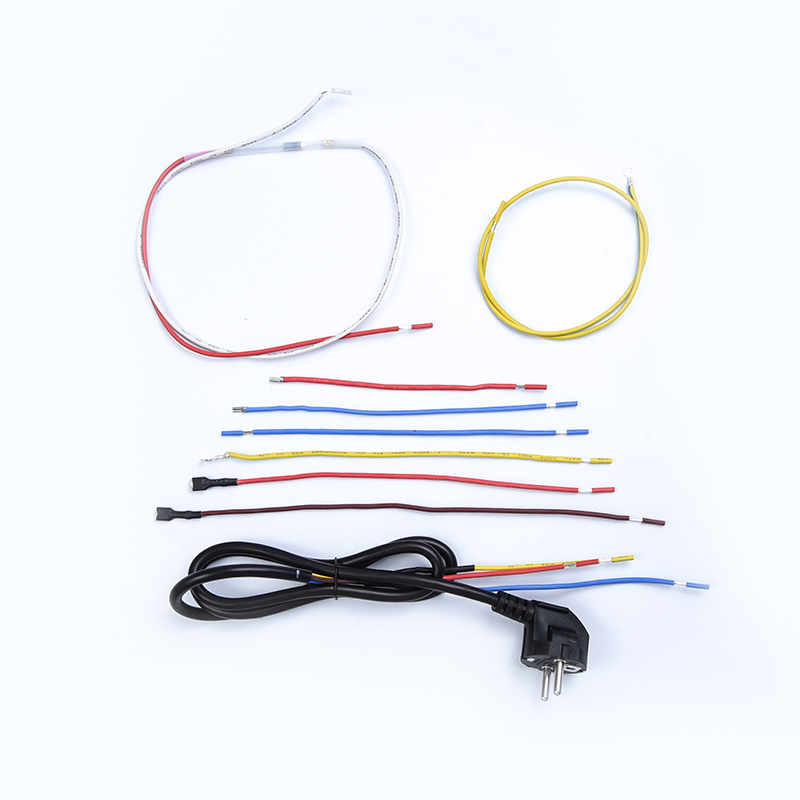
In standard electrical wiring, the Live (L) terminal connects to the Brown wire, and the Neutral (N) terminal connects to the Blue wire. This applies to most modern UK and EU household appliances, including kitchen appliances. In older UK installations, you may still encounter Red (Live) and Black (Neutral) wiring. Understanding the correct wire-to-terminal assignment is the single most critical safety step before working on any wiring harness.
Whether you are replacing a wiring harness in a dishwasher, oven, or refrigerator, getting L and N correct prevents electric shock, appliance damage, and fire hazards. This article covers colour codes, wiring harness construction, kitchen appliance specifics, and common wiring mistakes to avoid.
What Colour Wire Goes to L and N: The Definitive Answer
The wire colour assigned to Live (L) and Neutral (N) terminals depends on the wiring standard used in your country. The two most relevant standards for kitchen appliances sold globally are the IEC (International Electrotechnical Commission) standard and the older British standard.
Current IEC / UK (Post-2004) Colour Code
| Terminal | Wire Colour | Function |
|---|---|---|
| L (Live) | Brown | Carries current to the appliance (230V AC) |
| N (Neutral) | Blue | Returns current to the source (0V reference) |
| Earth (E / ⏚) | Green / Yellow Stripe | Safety ground — prevents electrocution on fault |
Old UK (Pre-2004) Colour Code
| Terminal | Wire Colour (Old) | Wire Colour (New) |
|---|---|---|
| L (Live) | Red | Brown |
| N (Neutral) | Black | Blue |
| Earth | Green / Yellow Stripe | Green / Yellow Stripe |
In the United States and Canada, the Live (Hot) wire is typically Black, Neutral is White, and Ground is bare copper or green. This distinction matters if you are installing an imported North American appliance or working with a dual-voltage wiring harness.
What Is a Wiring Harness and Why It Matters in Kitchen Appliances
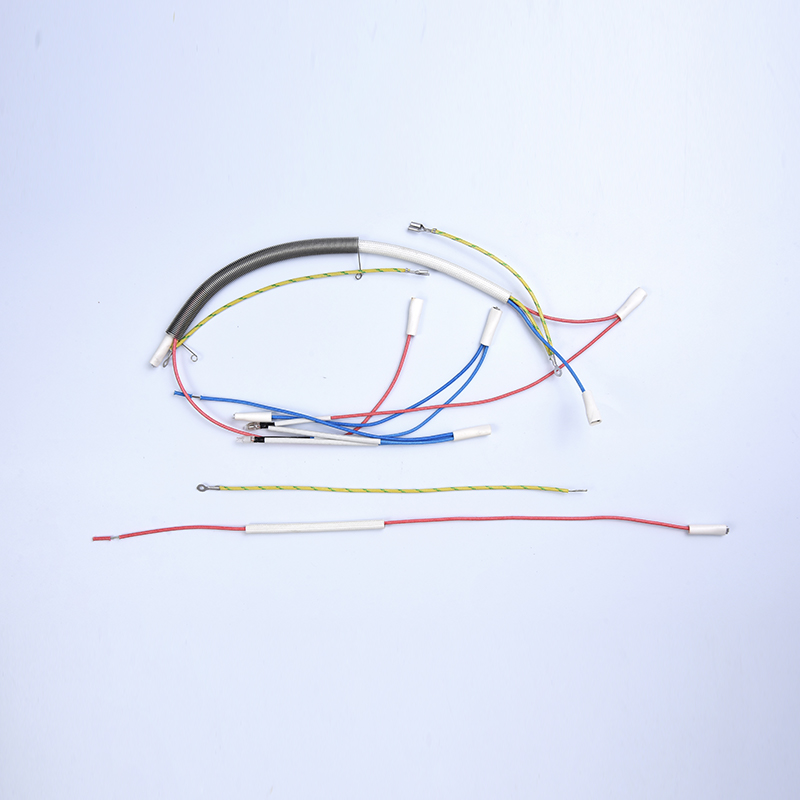
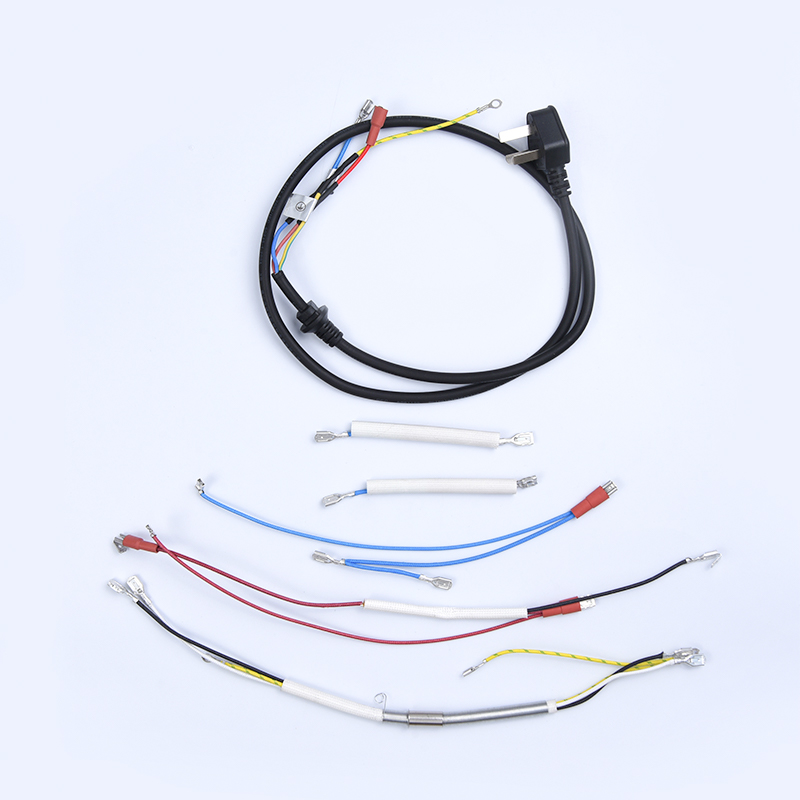
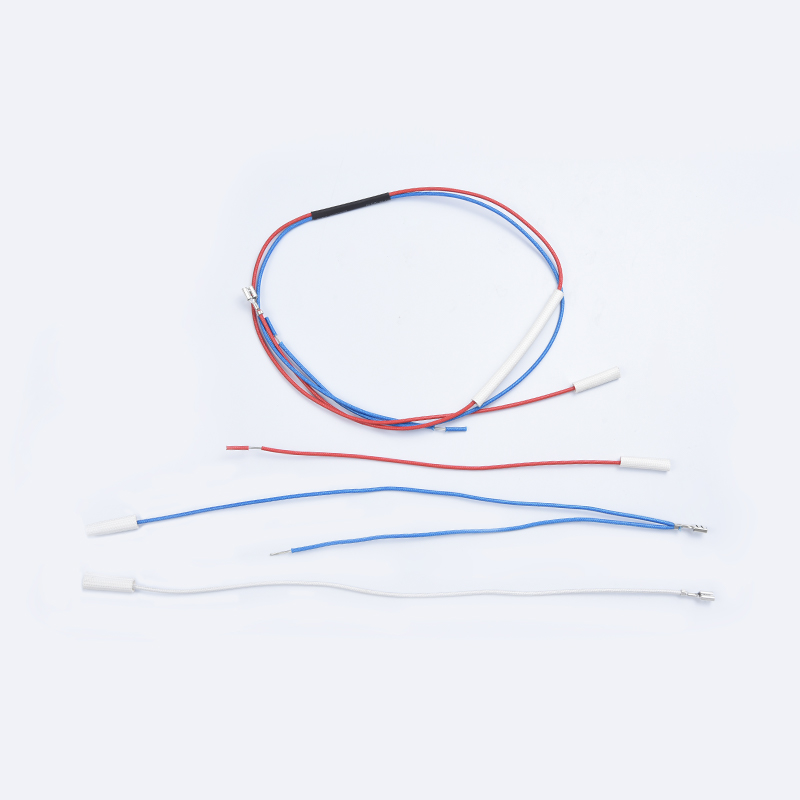
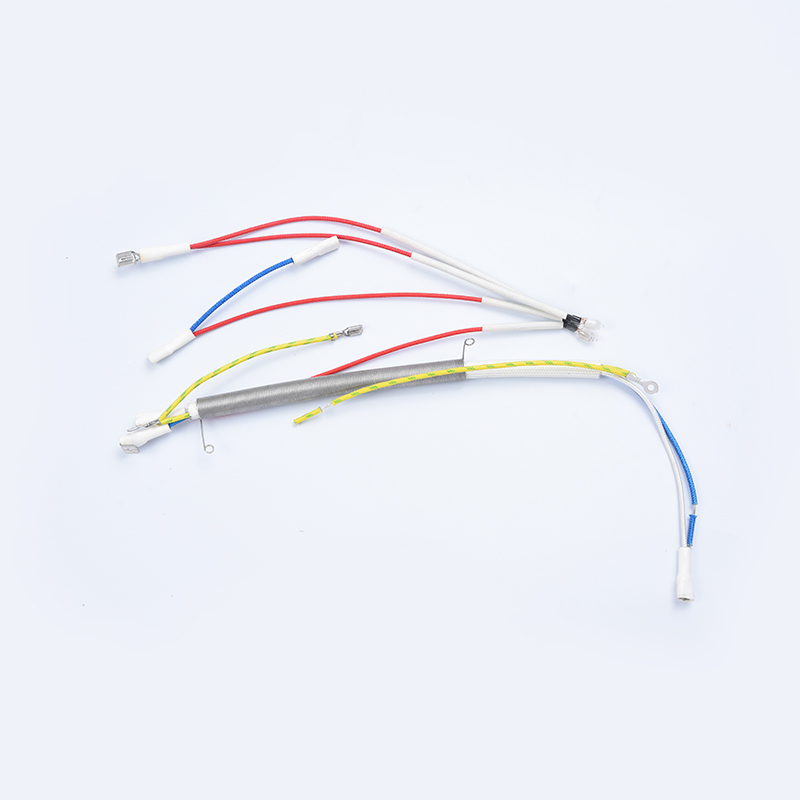
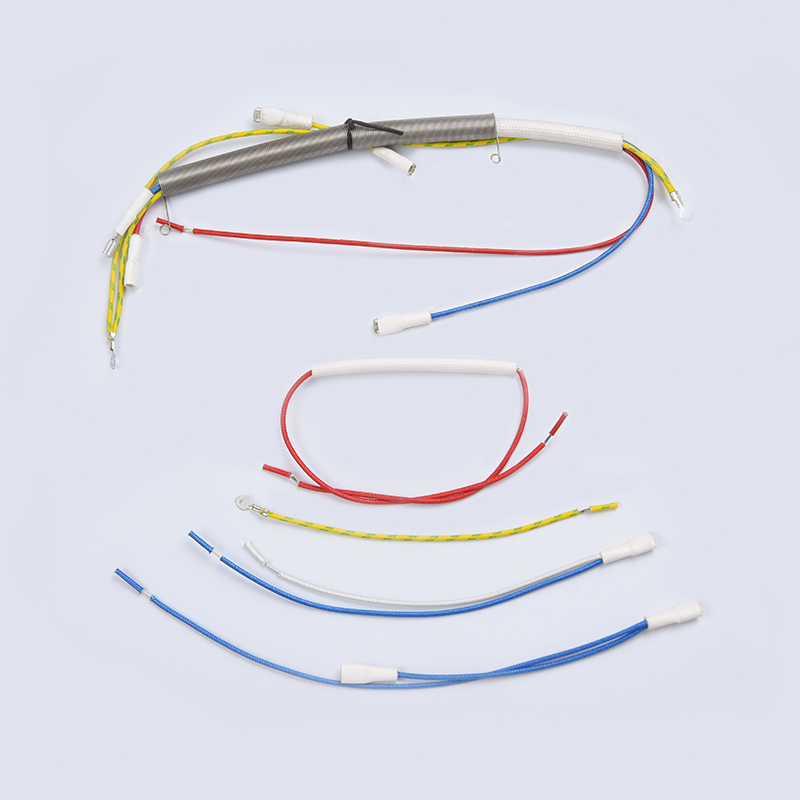
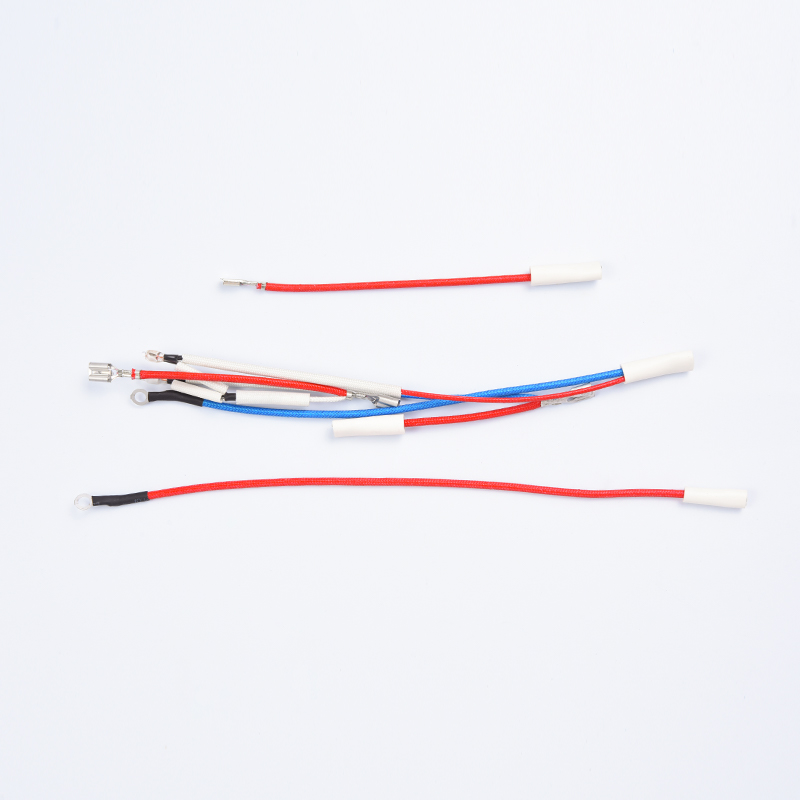
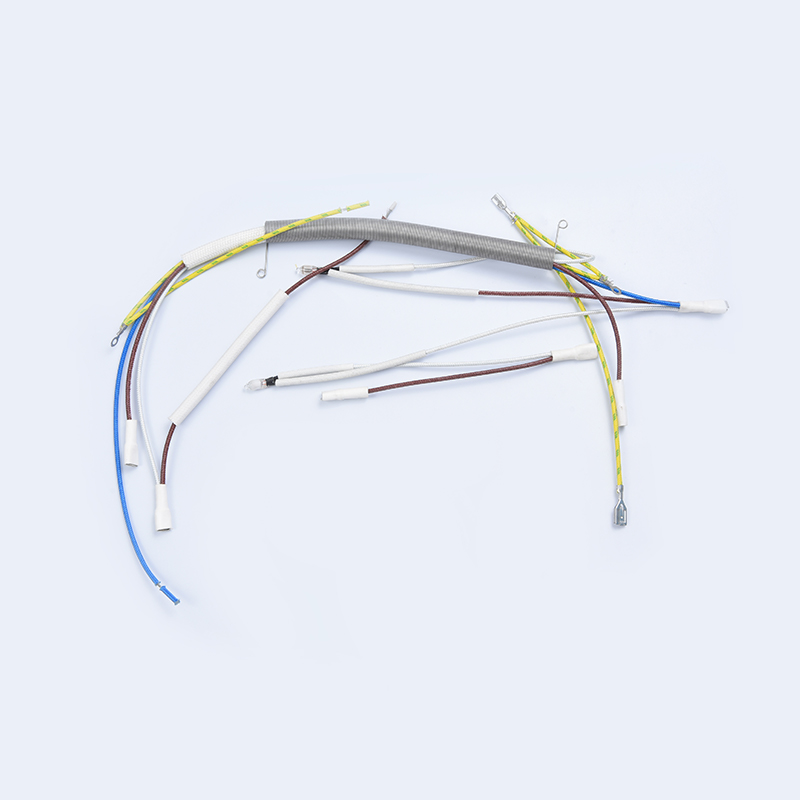
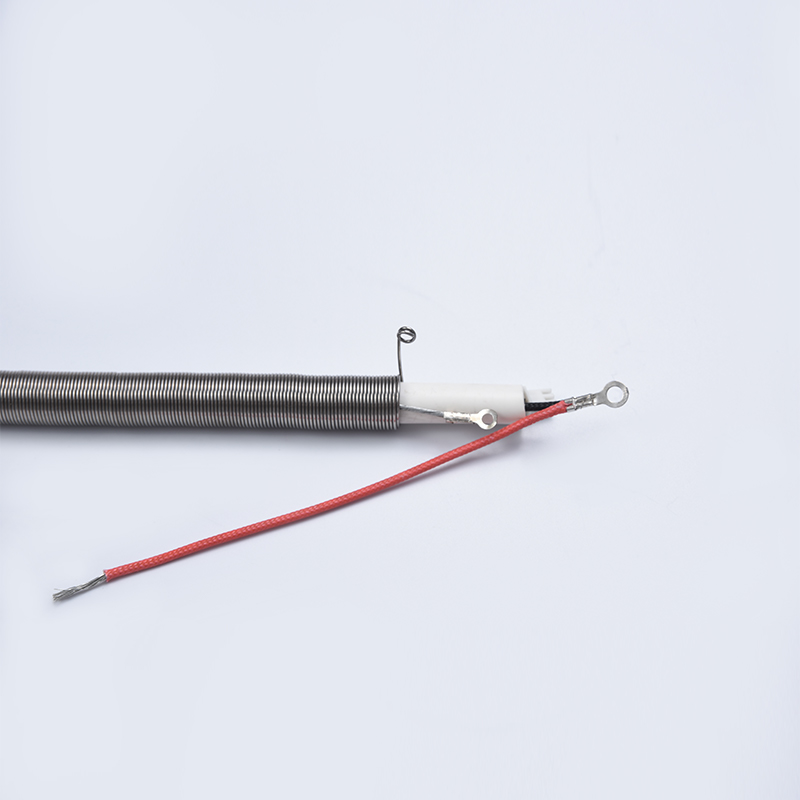
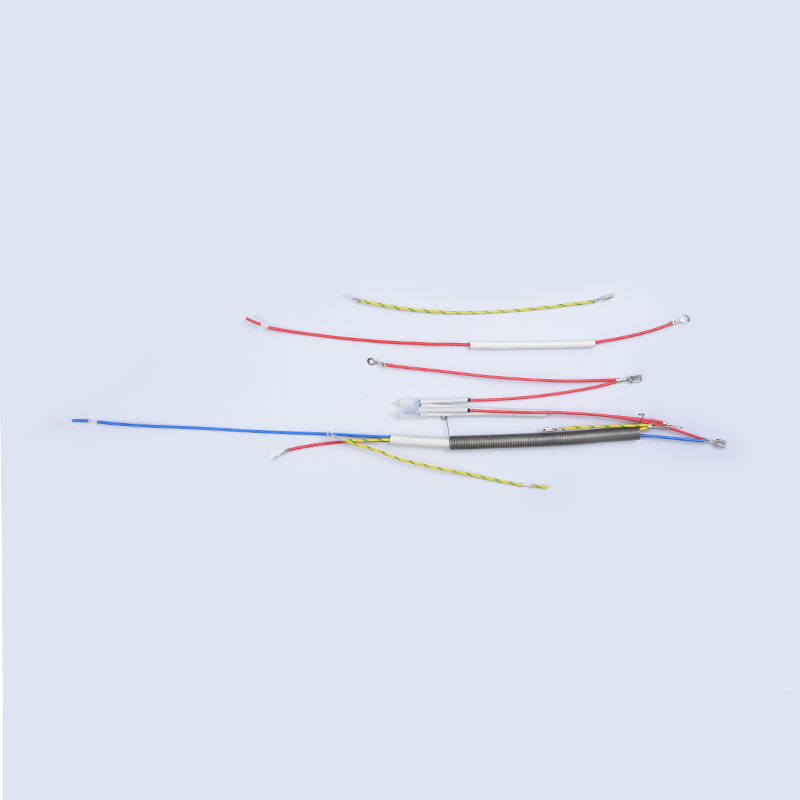
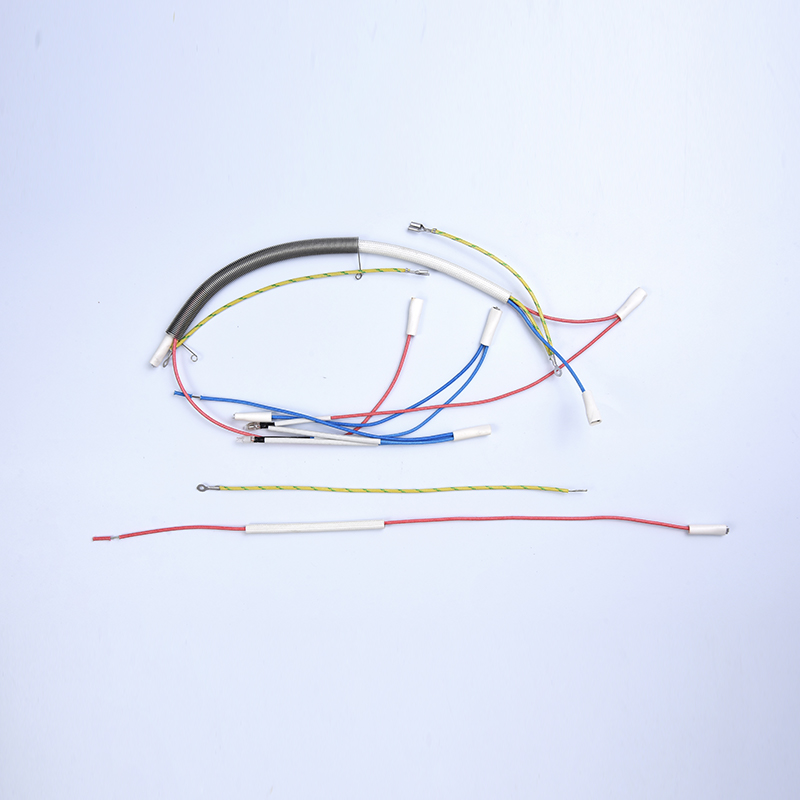
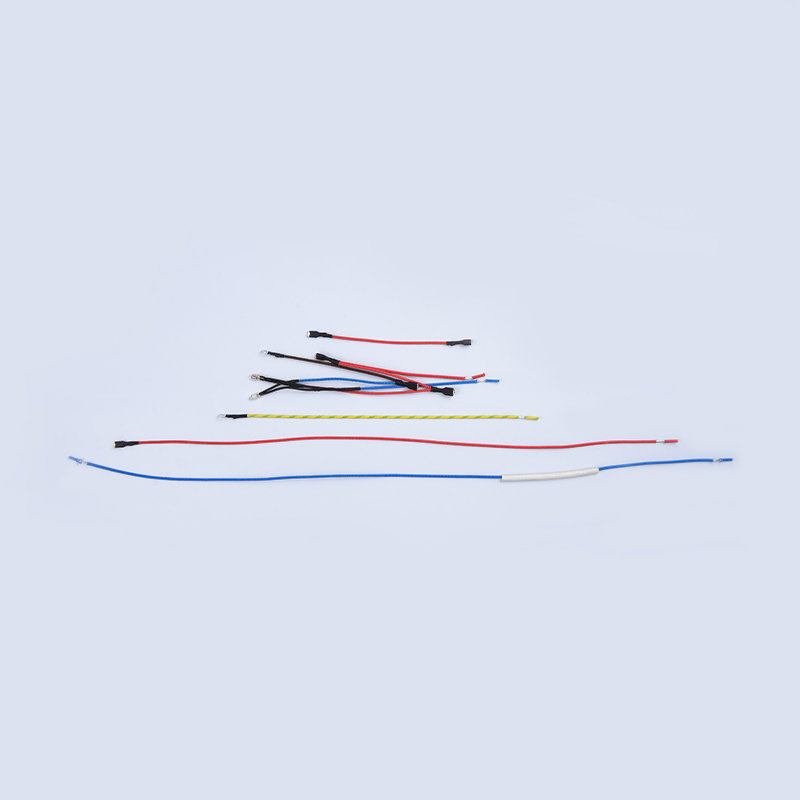
A wiring harness is a structured assembly of insulated electrical wires, connectors, and terminals bundled together to route electrical power and signals through an appliance in an organised, reliable, and safe way. Rather than running individual wires, manufacturers bind them into a single routed unit — reducing assembly time, preventing wire chafing, and making field service faster.
In kitchen appliances specifically, wiring harnesses must handle several demanding conditions simultaneously:
- Sustained heat exposure (oven harnesses rated to 200°C or above)
- Moisture resistance (dishwasher and steam oven harnesses)
- Vibration tolerance (washing machine motor harnesses)
- High-current capability (induction hob harnesses handling 13–32A circuits)
- Compact routing through tight appliance cavities
A typical built-in oven wiring harness contains 12 to 25 individual conductors, spanning power supply wires (L, N, Earth), thermostat signal wires, fan motor wires, grill element wires, and door sensor wires — all correctly colour-coded and terminated.
Kitchen Appliance Wiring Harness: Key Components Explained
Understanding the components within a kitchen appliance wiring harness helps you diagnose faults, perform safe replacements, and verify that L and N connections remain correct after a repair.
1. Power Supply Wires (L, N, Earth)
These are the mains-voltage conductors entering from the supply cable or plug. In a kitchen appliance harness, the Live (Brown) wire feeds directly to the main switch or terminal block, Neutral (Blue) returns to the supply, and Earth (Green/Yellow) bonds to the metal chassis. Cross-section sizes vary by load: a kettle harness may use 1.5mm² conductors, while an electric range may require 6mm² or larger.
2. Low-Voltage Signal Wires
Modern appliances use low-voltage (5V, 12V, or 24V DC) signal wires to connect control boards to sensors, thermistors, door switches, and display panels. These are thinner — typically 0.5mm² to 0.75mm² — and use a separate colour range (often grey, white, orange, or violet) to distinguish them visually from mains wires inside the harness bundle.
3. Connectors and Terminals
Crimp connectors, spade terminals, Faston connectors, and molex-style multi-pin connectors are standard in kitchen appliance harnesses. Many manufacturers use keyed connectors (asymmetric shapes) to make incorrect re-connection physically impossible — an important safety feature where L and N polarity must be maintained.
4. Protective Sleeving and Conduit
Wires routed near heat sources (oven elements, toaster heating coils) are typically covered in silicone-insulated sleeving rated to 180–260°C. General routing areas use PVC or braided nylon split loom. Harnesses near water (dishwasher pumps, fridge defrost heaters) use IP-rated connectors and sealed conduit.
How to Correctly Wire L and N on Common Kitchen Appliances
The process of connecting L and N on a kitchen appliance terminal block follows the same principle across appliance types, though the physical layout of the terminal block differs. Below is a step-by-step guide that applies to most hardwired kitchen appliances (built-in ovens, range cookers, and certain dishwashers).
- Isolate the power supply — Turn off the circuit breaker or remove the fuse. Confirm zero voltage with a non-contact voltage tester before touching any wires.
- Identify the terminal block — Locate the appliance's mains terminal block, usually behind an access panel at the rear or base. It will be labelled L, N, and E (or ⏚).
- Verify wire colours — Brown = L (Live), Blue = N (Neutral), Green/Yellow = E (Earth). If colours differ from this standard, verify with a wiring diagram before proceeding.
- Connect Earth first — Always secure the Green/Yellow Earth wire to the E terminal first, as it is the primary safety protection.
- Connect Neutral (Blue → N) — Insert the Blue wire into the N terminal and tighten the screw to the manufacturer's specified torque, typically 0.5–0.8 Nm for standard terminal blocks.
- Connect Live (Brown → L) — Insert the Brown wire into the L terminal and tighten securely.
- Fit the terminal cover — Replace the strain relief clamp and terminal cover before restoring power.
- Test the appliance — Restore power and confirm correct operation before closing the appliance cavity.
Never rely on terminal position alone. Some older or imported appliances have L and N positions reversed compared to common UK layouts. Always read the terminal label, not just the left-to-right position.
Wiring Harness Replacement in Kitchen Appliances: When and How
Wiring harnesses in kitchen appliances degrade over time. Insulation becomes brittle from heat cycling, connectors corrode from steam exposure, and wire strands fatigue from vibration. The following symptoms indicate a harness replacement may be needed:
- Intermittent power loss or appliance shutdowns without a clear cause
- Burning smell or visible scorch marks around wire runs or connectors
- Cracked, brittle, or melted wire insulation
- Continuity test failures on individual harness segments
- Tripping of the RCD/RCBO on the kitchen circuit
Sourcing the Correct Replacement Harness
Always source a harness using the appliance's full model number, not just the brand. A Bosch oven harness from model HBA171BS0B differs significantly from one for the HBA172BS1B — connectors, lengths, and wire gauges may all change between model revisions. OEM (Original Equipment Manufacturer) harnesses are preferable to generic equivalents for kitchen appliances because wire temperature ratings must match the appliance's operating profile.
Documenting Before Disconnection
Before removing any harness, photograph every connector, terminal, and wire routing path from multiple angles. This documentation ensures you can verify that L and N wires are reconnected to the correct terminals after the replacement, especially in complex multi-element harnesses where 15 or more connectors may look superficially similar.
Wire Colour Codes by Country: A Comparison for Imported Appliances
Imported kitchen appliances — particularly those sourced from North America, Asia, or non-EU markets — may use different wire colour conventions. Misidentifying L and N in these cases is a genuine hazard. The table below compares the major standards:
| Region / Standard | Live / Hot (L) | Neutral (N) | Earth / Ground |
|---|---|---|---|
| UK / EU (IEC, post-2004) | Brown | Blue | Green / Yellow |
| UK (old, pre-2004) | Red | Black | Green / Yellow |
| USA / Canada (NEC) | Black (or Red) | White | Bare Copper / Green |
| Australia / New Zealand | Brown (new) / Red (old) | Blue / Black | Green / Yellow |
| China (GB standard) | Yellow or Brown | Blue | Yellow / Green |
When dealing with appliances not manufactured for the UK/EU market, always verify L and N with a multimeter or voltage tester rather than relying on wire colour alone. This is especially important when adapting harnesses from grey-import appliances.
Common Wiring Mistakes When Connecting L and N in Kitchen Appliance Harnesses
Even experienced DIYers make predictable errors when working with wiring harnesses. The following are the most consequential mistakes to avoid:
Reversing L and N (Polarity Reversal)
Connecting Brown to N and Blue to L creates a reverse polarity condition. The appliance may function normally in many cases, but the chassis and exposed metalwork will be at mains potential — creating a lethal shock hazard. All UK plug-in appliances include a fused live conductor specifically because switching the live (not the neutral) disconnects the hazard voltage. Reverse polarity defeats this protection entirely.
Under-Torqued Terminal Screws
A loose terminal connection increases resistance at the joint. Over time, this generates heat — the leading cause of terminal block fires in kitchen appliances. Always use a calibrated torque screwdriver and apply the manufacturer's specified torque, which is typically printed on the terminal block housing or in the installation manual.
Connecting Earth to L or N
Misrouting the Earth (Green/Yellow) wire to either the L or N terminal will immediately trip the RCD on power-up, or — in the worst case where no RCD is present — cause a dangerous fault current through the appliance chassis. The Earth terminal must always be exclusively used for the Green/Yellow protective conductor.
Using the Wrong Wire Gauge
Replacing a damaged section of harness with undersized wire creates a fire risk. A 1.5mm² conductor is rated for approximately 13A; a 2.5mm² conductor handles approximately 20A. Always match or exceed the original wire cross-section when repairing a harness segment.
Ignoring Heat Ratings on Replacement Wire
Standard PVC-insulated wire is rated to only 70°C continuous. Inside an oven cavity or near an induction coil, temperatures regularly exceed this. Replacing harness segments in high-heat zones with standard PVC wire will result in insulation melting and potential short circuits within months. Use silicone-insulated wire (rated to 180°C or 200°C) in these areas.
Appliance-Specific Wiring Harness Notes for Kitchen Equipment
Different kitchen appliances present unique wiring harness challenges beyond basic L and N identification. Here is a summary of the key considerations by appliance type:
Built-in Electric Oven
Oven harnesses typically include a dedicated 13A or 20A hardwired supply. The mains terminal block is usually located at the rear. In double ovens, a secondary harness branches from the main board to the upper cavity. Both the main oven element (typically 2.0–3.5kW) and fan element are wired via this harness, requiring appropriate wire gauges throughout.
Dishwasher
Dishwasher wiring harnesses route through the door hinge area, making the door hinge section the highest-wear point. This section flexes with every door opening cycle — typically 300–500 cycles per year in a household. Wire fatigue and insulation cracking in the hinge zone are the most common harness faults in dishwashers.
Fridge-Freezer
The defrost heater harness in a fridge-freezer passes through cold and humid environments. Connectors in this zone are especially prone to corrosion. The defrost thermostat is wired in series with the heater element via the harness — a common point of failure that causes the freezer to ice up. Always check connector integrity and continuity through this sub-harness when diagnosing icing faults.
Induction Hob
Induction hobs are typically hardwired at 32A on a dedicated circuit, supplied via 6mm² cable. The harness inside the hob connects the mains terminal block to each induction coil board. These boards generate significant electromagnetic interference, so the harness often includes shielded signal cables alongside the power conductors — requiring care when routing replacements to maintain original shielding integrity.
Safety and Compliance Considerations
Any work on a kitchen appliance wiring harness in the UK must comply with BS 7671 (the IET Wiring Regulations) and the manufacturer's installation requirements. Key compliance points include:
- All hardwired appliances (ovens, hobs) must be connected by a qualified person and, in most cases, notified to Building Control if new circuits are involved.
- Plug-in appliances (microwaves, toasters, kettles) may be repaired by a competent person, but BS 8546 recommends that mains wiring repairs be carried out by a qualified electrician.
- RCD protection is mandatory for all kitchen socket circuits under BS 7671 18th Edition Amendment 2. Ensure your wiring harness repair is carried out on an appropriately protected circuit.
- Portable Appliance Testing (PAT) should be performed after any harness repair to verify Earth continuity, insulation resistance, and polarity correctness before returning the appliance to service.
When in doubt about the correct L and N assignment — particularly on non-standard or imported appliances — test with a multimeter before making any connections. The Live conductor will show approximately 230V AC relative to Earth; the Neutral will show 0V or very close to it.