+86-0574-63316601


 中文简体
中文简体Content
When it comes to household appliances, especially electric ovens, safety, reliability, and efficiency are paramount. One of the key factors that contribute to the proper functioning of an electric oven is its wiring system, and more specifically, the electric oven wiring harness. This component, though often overlooked, plays a critical role in ensuring that the oven operates safely and efficiently, especially when it comes to preventing overheating issues.
Understanding Electric Oven Wiring Harnesses
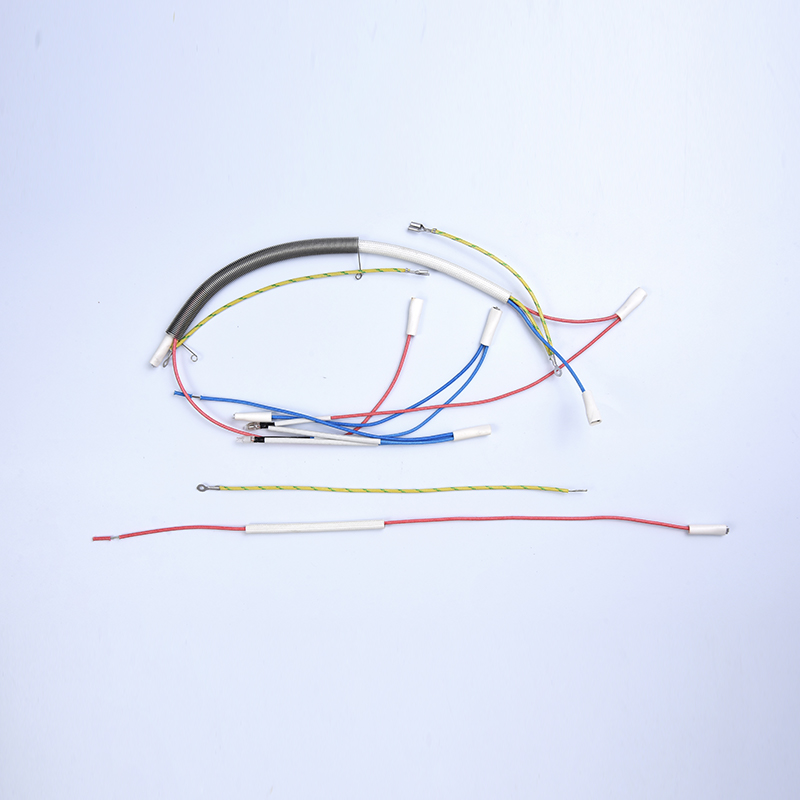
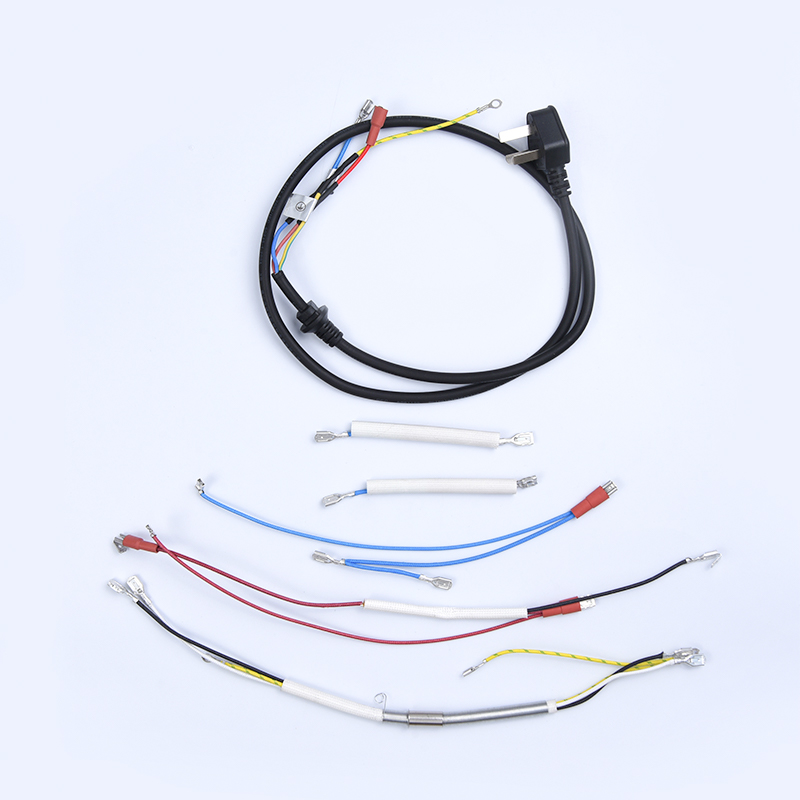
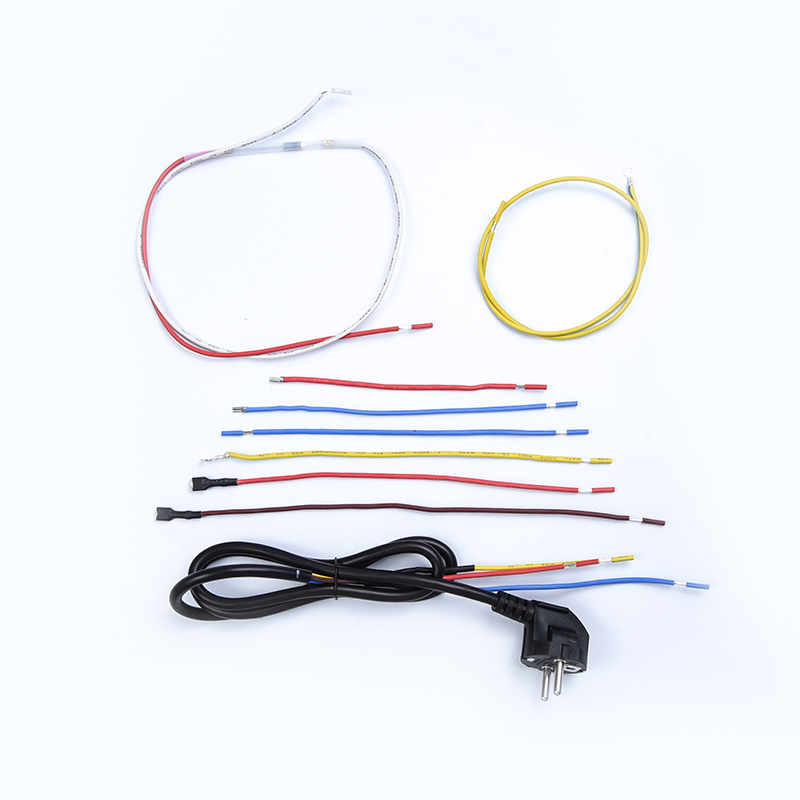
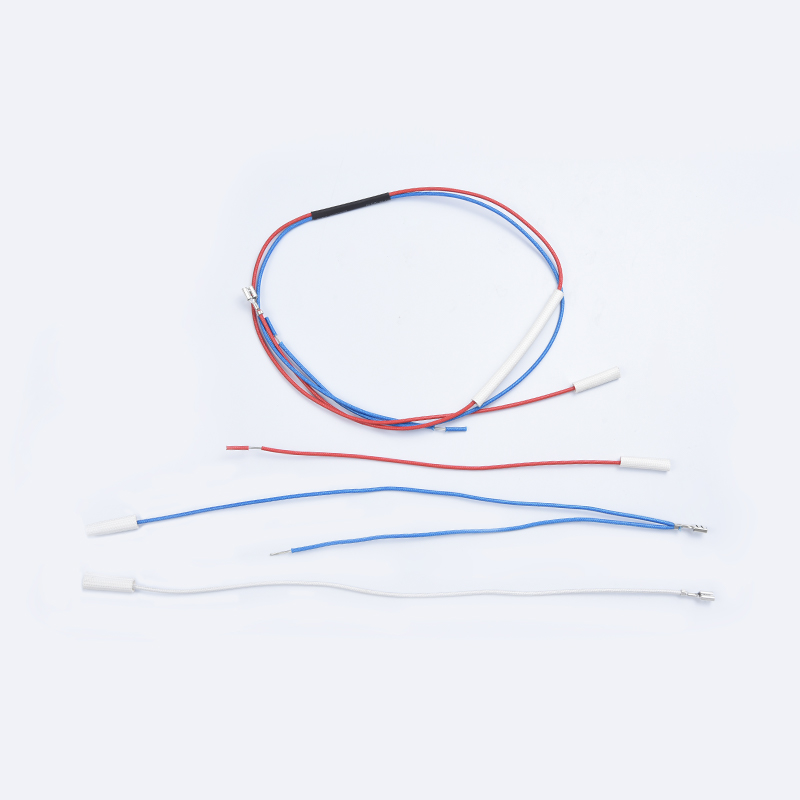
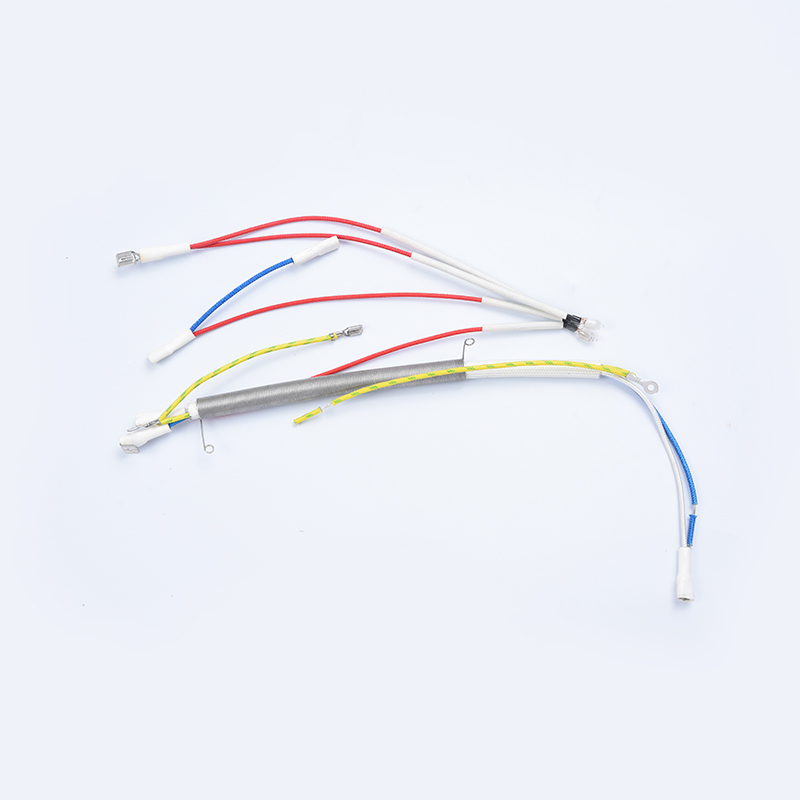
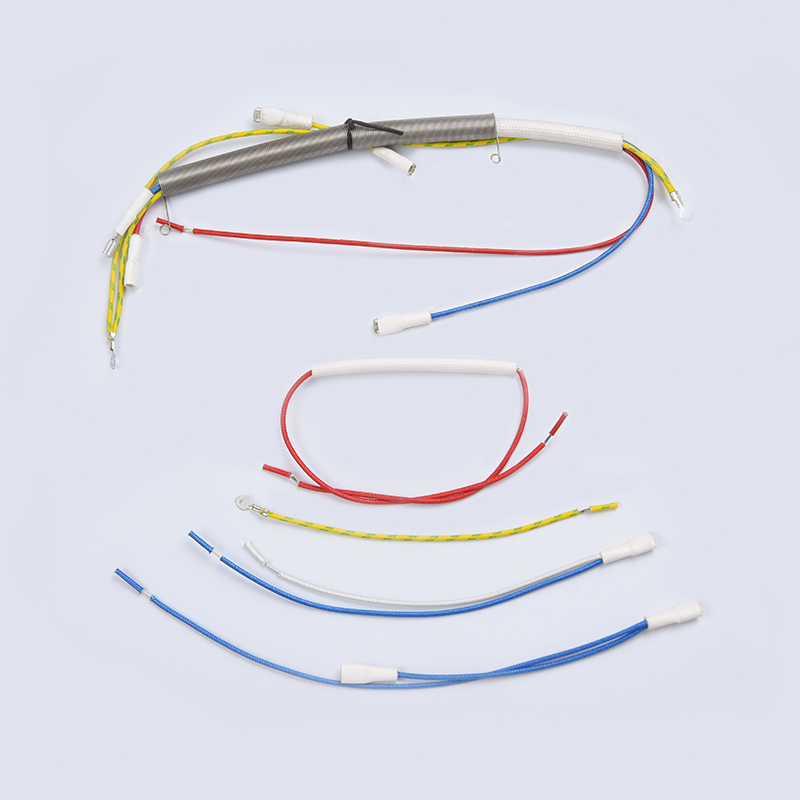
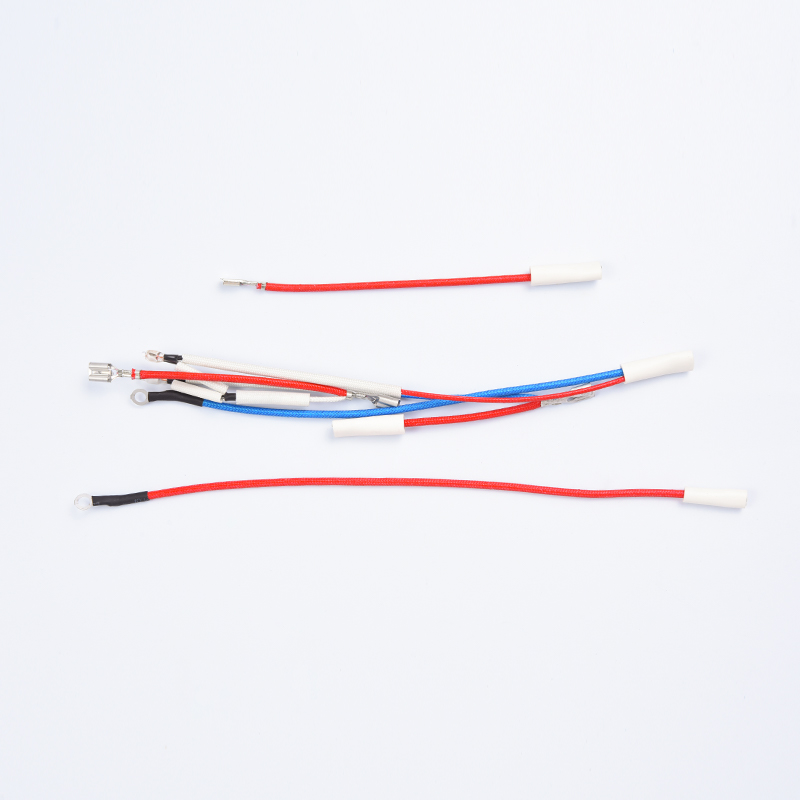
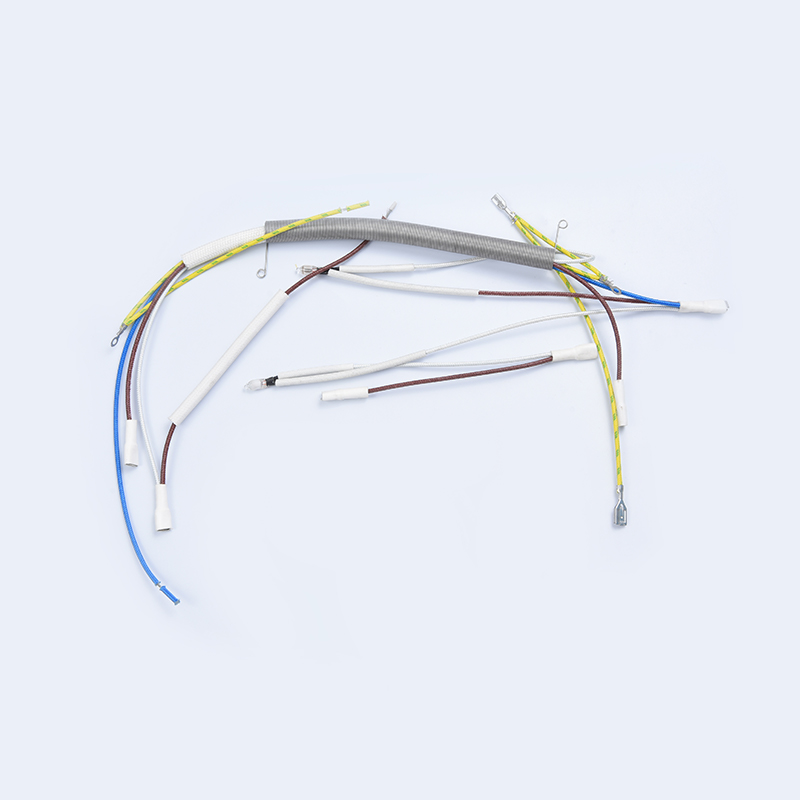
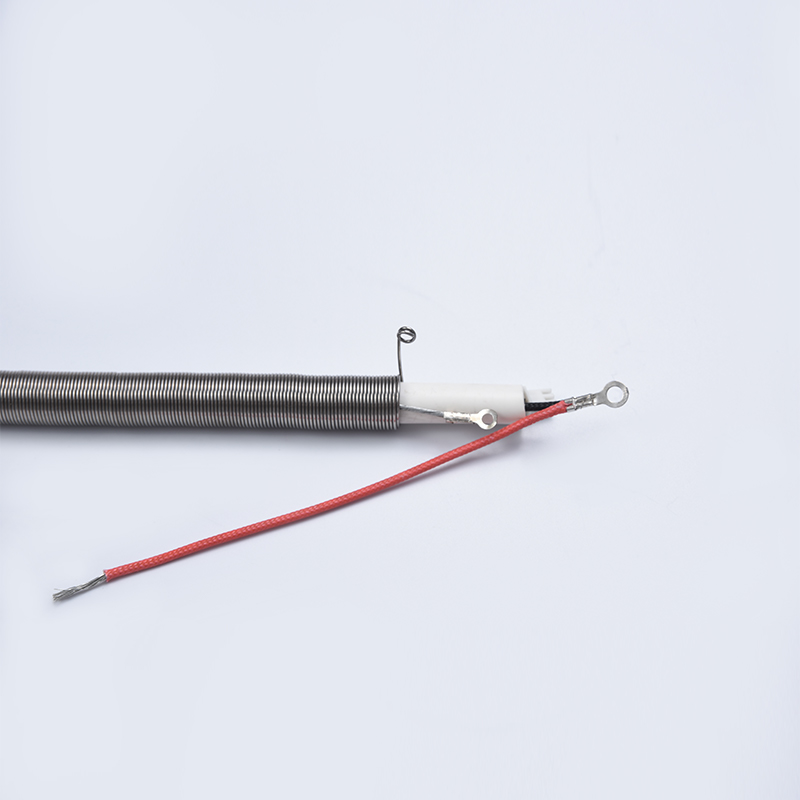
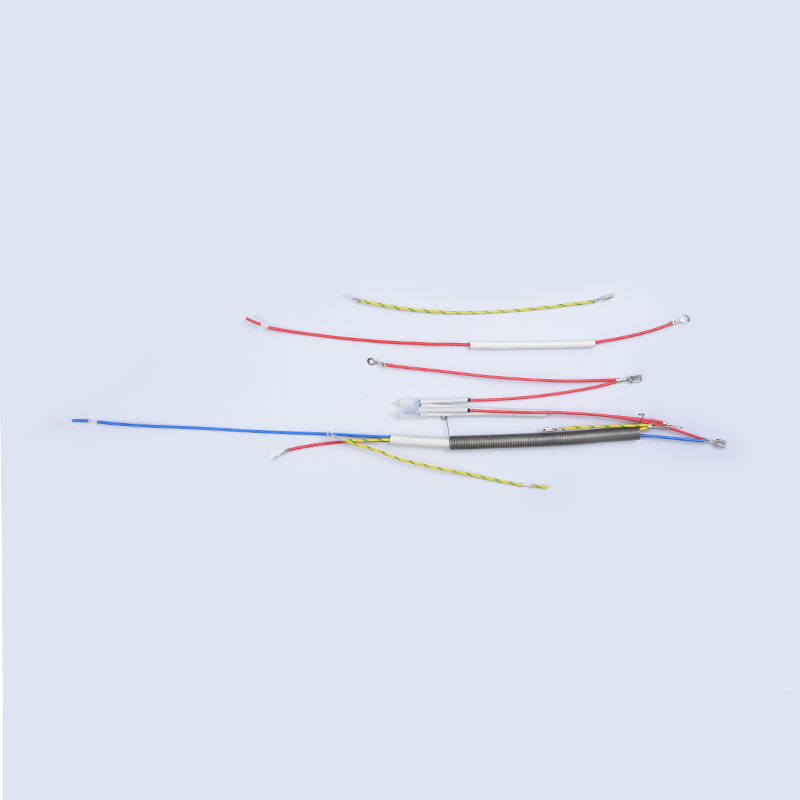
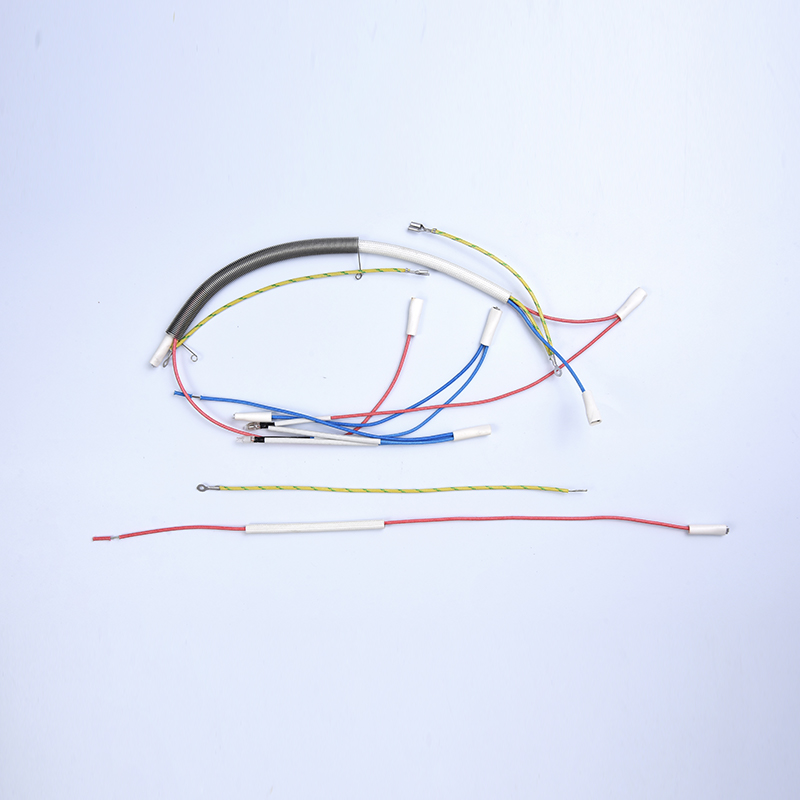
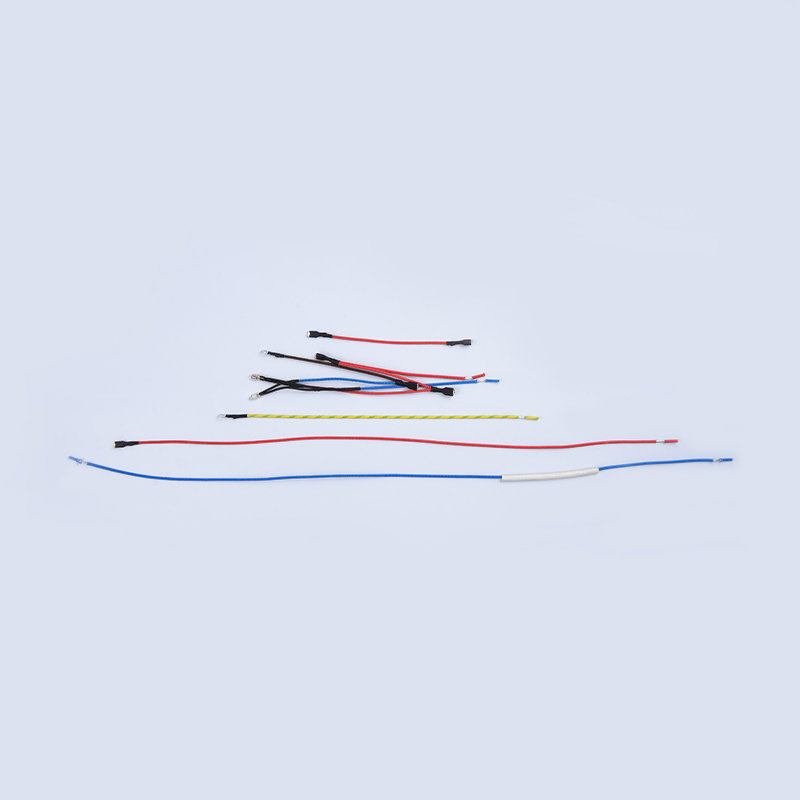
Before delving into how the right wiring harness can prevent overheating, it's important to understand what an electric oven wiring harness is and what it does. A wiring harness is a collection of wires, connectors, terminals, and insulation materials that transmit electrical power to various components of the oven, such as the heating elements, thermostat, light, and fan.
In an electric oven, the wiring harness ensures that electricity flows efficiently from the power supply to the oven’s components. It is designed to handle specific voltage and current requirements, providing a secure and organized way to connect all the electrical parts of the oven.
The key role of the electric oven wiring harness is to ensure that electrical connections are secure, organized, and insulated, thus minimizing the risk of shorts, electrical fires, or overheating. It serves as the central conduit for power transmission, ensuring that each part of the oven operates within its designated range.
How Overheating Happens in Electric Ovens
Overheating in electric ovens can occur due to a variety of factors. Some common causes of overheating include:
- Faulty wiring: Loose or damaged wiring can cause electrical resistance, which generates excess heat and can lead to overheating of the components or even the entire oven.
- Improper insulation: If the wires are poorly insulated or the insulation deteriorates over time, heat can escape and cause the surrounding materials to overheat.
- Inadequate ventilation: Poor ventilation can trap heat inside the oven or electrical compartments, causing the internal temperature to rise to unsafe levels.
- Faulty heating elements or thermostats: If the heating elements or thermostats are malfunctioning, they can cause excessive heat buildup in the oven.
A high-quality electric oven wiring harness plays a pivotal role in preventing overheating by ensuring that the electrical connections remain secure, insulated, and free from any potential short circuits.
How the Right Electric Oven Wiring Harness Prevents Overheating
Ensuring Proper Electrical Connection and Current Flow
One of the primary functions of a wiring harness is to provide secure electrical connections between the oven's various components. When a wiring harness is of poor quality or improperly installed, it can lead to loose connections. Loose connections can cause electrical resistance, which, in turn, generates heat. This heat can gradually increase to unsafe levels, leading to overheating in specific oven components.
A well-designed wiring harness ensures that the connections are secure and reliable. Each wire, terminal, and connector is carefully designed to handle specific current loads without causing excess heat generation. The right harness helps maintain a stable current flow, preventing the risk of overheating caused by electrical resistance.
Proper Insulation to Prevent Heat Build-Up
Electric ovens generate substantial heat during operation, particularly in the heating elements. As a result, the wires and connectors within the oven must be insulated to prevent heat transfer to surrounding components or materials. Over time, insulation can degrade, leading to heat buildup and, in some cases, even electrical fires.
An electric oven wiring harness made with high-quality insulation materials helps protect the wires from the heat generated by the oven's components. These materials are designed to withstand high temperatures without deteriorating, ensuring that the harness remains intact and functions effectively over time. With proper insulation, the risk of overheating due to heat transfer from electrical components is significantly reduced.
Preventing Short Circuits
A short circuit occurs when electrical current bypasses its intended path, often due to damaged or exposed wires. Short circuits can cause excessive current flow, generating a large amount of heat in a short period. This heat can damage the wiring, components, and other parts of the oven.
The right electric oven wiring harness includes protective measures like insulated connectors and fused wiring to prevent short circuits. By maintaining proper insulation and organization of wires, the harness reduces the risk of shorts, which could otherwise cause overheating and potential damage to the oven's electrical system.
Managing Heat Dissipation
Heat dissipation is critical in preventing overheating in electric ovens. Excessive heat can cause damage to wiring and components over time, and if heat is not properly managed, it can lead to oven malfunction or even fires.
A good-quality wiring harness is designed to minimize heat retention and provide effective heat dissipation. Materials used in the construction of the wiring harness, such as heat-resistant plastics or fiberglass, help manage the heat within the electrical system. This ensures that the wiring and components stay cool enough to function safely, even in high-temperature environments like electric ovens.
Enhanced Durability Under High Temperatures
Electric ovens are subjected to extremely high temperatures during cooking, particularly near the heating elements and in areas where heat is concentrated. A wiring harness must be built to withstand these elevated temperatures without degrading.
Wiring harnesses designed for electric ovens are typically made with materials that have high temperature resistance. For instance, silicone rubber, Teflon, and PVC are often used for insulation, as they can withstand the heat without compromising performance. By using these materials, the wiring harness helps ensure that the oven’s electrical system remains intact and free from overheating issues, even during extended cooking periods at high temperatures.
Key Factors to Consider When Selecting an Electric Oven Wiring Harness
To ensure that your electric oven operates safely and avoids overheating, it’s important to choose the right wiring harness. Several factors influence the performance of the wiring harness, and these should be carefully considered when making a selection:
Wire Gauge and Current Rating
The wire gauge (thickness) and current rating of the wiring harness should match the requirements of your electric oven. If the wiring harness is undersized, it will not be able to handle the current load, leading to excessive heat buildup. On the other hand, if the wiring is too thick, it may be difficult to install and could lead to unnecessary complications.
Choose a wiring harness that is properly rated for the current requirements of your oven to ensure safe operation.
High-Quality Insulation Materials
As mentioned earlier, insulation is critical for preventing heat transfer and maintaining electrical safety. When selecting a wiring harness, make sure the materials used for insulation are capable of withstanding high temperatures without degrading over time.
Look for wiring harnesses that use heat-resistant materials such as silicone, Teflon, or fiberglass for insulation, as these materials offer excellent protection against heat buildup.
Compatibility with Oven Model
Ensure that the wiring harness is compatible with the specific make and model of your electric oven. The design of the harness must fit the electrical layout of the oven, ensuring proper connections with the oven’s heating elements, thermostat, and other components.
Check the manufacturer specifications to ensure that the wiring harness is designed for your particular oven model, as incorrect wiring could lead to overheating or even electrical failure.
Durability and Resistance to Environmental Factors
Wiring harnesses should be designed to withstand more than just heat; they must also be resistant to other environmental factors such as moisture, abrasion, and chemical exposure. For example, ovens that are used in humid environments (like commercial kitchens) may require wiring harnesses that are specifically designed to prevent corrosion or degradation from moisture.
Choose a wiring harness that is made from durable, weather-resistant materials that can withstand the conditions in which your oven operates.